If you’ve ever stared at a piece of industrial machinery that’s suddenly leaking fluid, making weird grinding noises, or just not performing like it used to, you’ve probably wondered what’s wrong. As a dust seal supplier who’s spent the last 12 years troubleshooting these exact issues with everything from farm tractors to construction cranes, I’m here to tell you: 9 times out of 10, the problem starts with a bad dust seal. Most people write off those small, rubber or synthetic parts as irrelevant until they fail, but let me set the record straight—dust seals are the unsung heroes of component longevity. They don’t make big, flashy parts like engine blocks or hydraulic cylinders, but without them, even the most well-built equipment will fall apart fast. Dust Seal

I’ve lost count of how many times a customer has called me, frantic, saying their loader’s hydraulic cylinder is leaking, only to find out it was a $15 dust seal that caused $15,000 in damage to the cylinder rod and seals. That’s the kind of mistake I want to help you avoid, because knowing the symptoms of a bad dust seal isn’t just about saving money—it’s about keeping your jobs on schedule, staying safe on the worksite, and not wasting time replacing parts that don’t need replacing. Today, I’m breaking down every telltale sign of a worn or failed dust seal, so you can spot issues early before they turn into catastrophic breakdowns.
First, let’s get clear on what a dust seal actually does, because if you don’t understand its job, you won’t recognize when it’s failing. A dust seal is a flexible ring, usually made of nitrile rubber, polyurethane, or Teflon, installed at the opening of a moving component—most commonly hydraulic cylinders, steering linkages, wheel bearings, and linear actuators. Its sole job is to keep out external contaminants: dust, dirt, sand, mud, water, and even metal shavings from worksite activities. At the same time, it also retains a thin layer of lubricant on the moving shaft inside the component, to prevent friction and wear. So if it’s working right, you’ll barely notice it. When it’s bad, you’ll notice it all too quickly.
Let’s start with the most obvious symptom: external contamination on the component shaft. This is the red flag that most people see first. Take a hydraulic cylinder rod, for example. If you run your finger along the smooth metal surface when the cylinder is extended, and it’s dusty, gritty, or has dried mud crusted on it, that’s a sign your dust seal isn’t doing its job. I recently helped a logging customer whose skidder had been sitting in a muddy yard for a few weeks. He thought his main cylinder seals were bad, but when we pulled the dust seal, it was cracked so bad you could see straight through it. The rod was covered in fine sawdust and mud that had seeped past the seal, and within six months, that grit would have scratched the cylinder rod enough to require a full rod replacement—something that would have cost him a week of downtime during peak logging season.
Another version of this is contamination buildup around the seal housing itself. If you look at the area where the dust seal sits (usually a grooved housing at the end of a cylinder or bearing bore), and you see caked-on grime, that’s not just normal wear. A good dust seal will wipe that debris off the shaft before it can enter the housing, so the area around the seal stays relatively clean. When the seal is worn, it can’t wipe the shaft anymore, so contaminants get trapped right at the opening, building up over time. I always tell my customers: if you’re cleaning equipment at the end of a shift, take 10 seconds to check that seal housing. If it’s full of dirt, that’s your first early warning sign.
Next up, fluid leakage around the component. This is the symptom that usually gets the most attention, and for good reason. While dust seals aren’t designed to hold pressure (that’s the job of primary seals like U-cups or piston seals), a failed dust seal can contribute to leakage, or make existing leakage worse. Let’s clarify: if you see hydraulic fluid dripping from the end of a cylinder rod, that’s usually a primary seal issue, but if the area around the seal is wet with fluid mixed with dirt or dust, that’s a dust seal problem. Here’s why: when contaminants get past a bad dust seal, they cause friction and wear on the primary seal, damaging it over time. So a small dust seal leak can turn into a major primary seal leak fast if you ignore it.
I remember a construction customer who had a 10-ton excavator that was leaking hydraulic fluid from the boom cylinder end. He replaced the primary seal twice in a month, and it kept failing. When he called me, I suggested we check the dust seal first. Sure enough, the dust seal was flattened from age, so it wasn’t wiping dirt off the rod. That dirt scratched the primary seal every time the cylinder extended, so no matter how many times he replaced it, it would leak again. Replacing the $12 dust seal fixed the problem completely, and he saved himself hundreds of dollars in extra seal replacements and downtime. It’s a classic case of symptom vs. root cause—don’t just fix the leak, figure out why it’s happening.
Speaking of friction and noise, that’s another key symptom of a bad dust seal. When contaminants get past a worn seal, they create abrasion between the moving shaft and the housing. That leads to increased friction, which you’ll notice in two ways: first, the component will feel stiffer when you operate it. If you’re moving a steering linkage and it feels like it’s fighting you more than usual, or a hydraulic cylinder takes more force to extend or retract, that’s a sign of excess friction from contaminants inside. Second, you’ll hear unusual noises: grinding, scraping, or squeaking coming from the component. I had a farm customer last spring call me panicking because his tractor’s front end was making a terrible scraping noise when he turned. He’d just put new wheel bearings in, and he was convinced the differential was failing. When we pulled the wheel hub, we found the dust seal for the wheel bearings was completely torn. Dirt had gotten into the bearing, causing metal-on-metal friction, and that scraping noise was the bearings wearing away. We replaced the seal, cleaned the bearings, and the noise was gone in 10 minutes—no differential repair needed. That’s the kind of misdiagnosis I want to help you avoid.
Over time, that friction and wear from a bad dust seal will show up as physical damage to the seal or the shaft. Let’s talk about seal degradation first. A good dust seal should be flexible, smooth, and have a tight, even lip that presses against the shaft. When it’s bad, you’ll notice cracks, tears, abrasion, or brittleness. If you run your thumb along the seal lip, and it feels uneven, frayed, or has hard spots (meaning the rubber has dried out from age or exposure to extreme temperatures), that’s a failed seal. I’ve also seen seals that are flattened or distorted from being installed incorrectly, or from exposure to chemicals or UV light. For example, equipment that’s parked outdoors in the desert for years—sunlight breaks down rubber, making dust seals crack and fail long before the internal components show any wear.
Then there’s shaft damage, which is a direct result of a bad dust seal doing its job wrong. If you see small scratches, gouges, or discoloration on the surface of the moving shaft around the seal area, that’s grit or sand that’s gotten past the seal and is scratching the metal. I once inspected a generator’s shaft for a power company customer, and there were dozens of tiny scratches on the part where the dust seal sat. The scratches were so deep that the new seal wouldn’t seat properly, so we had to polish the shaft before installing a new seal. That would have cost the customer thousands if they’d waited longer. Shaft damage isn’t just a hassle—it can lead to total component failure, and it’s way more expensive to fix than a dust seal.
One less obvious symptom that I see all the time is reduced component lifespan. If your equipment’s hydraulic cylinders or bearings are failing faster than the manufacturer recommends, it’s often not the quality of the parts—it’s a bad dust seal. Manufacturers design components to last thousands of hours when properly maintained, and 90% of premature failures are caused by contamination that got past a worn dust seal. I had a construction company customer who replaced their excavator cylinders every two years, which was twice as often as their competitors. After we adjusted their maintenance schedule to replace dust seals every 500 hours, their cylinders lasted four years, cutting their parts costs by 50%. That’s the kind of return on investment that makes dust seals worth paying attention to.
Let’s also talk about specific scenarios where dust seal symptoms are especially noticeable, because it’s not just industrial equipment. If you have a car, truck, or ATV, the same rules apply. Tie rod ends, ball joints, and wheel bearings all have dust seals. If you see grease caked on the outside of a tie rod end, that’s a bad dust seal letting grease escape and dirt get in. If you hear a grinding noise when turning your car, that could be a failed wheel bearing dust seal letting water and dirt into the bearing. Even lawn equipment—think of a lawn tractor’s steering column or mower deck spindle—has dust seals that keep grass clippings and dirt out. I once helped a homeowner whose lawn tractor kept wearing out the mower spindle every season. It turned out the dust seal was missing, so grass and dirt were getting into the spindle, causing friction and wear. Replacing the $8 seal made the spindle last twice as long.
Now that you know the symptoms, the next step is what to do about it. As a dust seal supplier, I always recommend two things: first, inspect your dust seals regularly (every 100 working hours for heavy equipment, every oil change for vehicles), and second, don’t cut corners on quality. A cheap generic dust seal might cost you $2, but if it fails in six months, you’ll pay way more in downtime and repairs. Look for seals made from material matched to your application: polyurethane for high-abrasion environments, nitrile for hydraulic and oily conditions, Teflon for high-temperature or chemical exposure. Make sure the seal is sized correctly for your shaft and housing—too big, and it won’t wipe properly; too small, and it’ll wear out fast.
If you notice any of the symptoms I’ve talked about—contamination buildup, leaks, unusual noises, seal damage, premature component failure—don’t wait to fix it. Catching a bad dust seal early can save you thousands in repairs and downtime. If you’re not sure what kind of dust seal you need, or how to inspect your components, we’re here to help. We work with equipment operators, mechanics, and fleet managers of all sizes, from small farms to large construction companies, to provide high-quality, durable dust seals tailored to your specific needs. Whether you need a standard seal for a hydraulic cylinder or a custom seal for a specialized industrial component, we can help you find the right solution for your application.
At the end of the day, dust seals are small parts, but their impact on your equipment’s performance and longevity is huge. Ignoring a bad dust seal is like ignoring a small leak in a pipe—you’ll only end up with a bigger mess later. By learning the symptoms, inspecting regularly, and investing in quality seals, you can keep your equipment running smoothly, avoid costly breakdowns, and get the most out of every dollar you spend on parts.
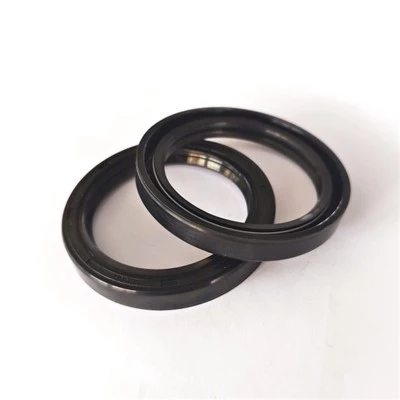
Don’t let a bad dust seal derail your next project or cost you valuable time. If you have questions about dust seal symptoms, need help identifying the right seal for your equipment, or are ready to place an order, reach out to our team to discuss your procurement needs. We’re here to support you every step of the way, because when your equipment works, we work.
Shock Absorbers References
Hydraulic Seals: Selection, Application, and Maintenance. Fluid Power Society, 2021.
Contamination Control in Industrial Machinery. National Institute for Occupational Safety and Health (NIOSH), 2019.
Rubber Seals for Off-Highway Equipment: Performance and Durability. Off-Highway Research Association, 2022.
Jinhua Haobo Sealing Technology Co., Ltd.
As one of the most professional dust seal manufacturers and suppliers in China, we’re featured by quality products and good price. Please rest assured to buy customized dust seal made in China here from our factory. For pricelist, contact us now.
Address: No.89, Hucheng Street, Tangxi Town, Wucheng District, Jinhua City, Zhejiang Province
E-mail: 245149293@qq.com
WebSite: https://www.haoboseal.com/
