Hey guys, so if you’ve ever sat at a packaging station staring at a shelf full of tapes, wondering which one’s actually worth your time—raise your hand. As someone who’s been in the kraft paper tape game for over a decade, I get the confusion. Duct tape’s been the go-to for “tough jobs” since like, the WWII days, right? But lately, more folks are hitting me up asking if kraft paper tape is actually better for their packaging. Let’s break this down like we’re chatting over a coffee, no stuffy jargon, just real stuff we deal with every day. Kraft Paper Tape
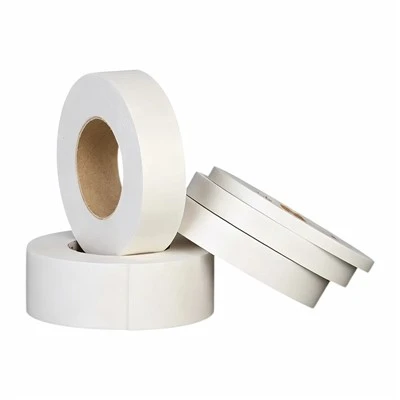
First, let’s get the basics straight: what even are these two tapes? Duct tape’s that thick, plastic-coated stuff you can stretch, tear (sort of), and yank off a roll like it’s no big deal. It’s got that shiny vinyl backing, adhesive that sticks to just about anything—even ductwork, hence the name. Kraft paper tape? It’s made from actual paper, usually 100% recycled these days, coated with a water-activated adhesive (that’s the “gum” we talk about), and sometimes reinforced with fiberglass threads for extra oomph. No plastic, no weird shiny finish, just paper.
Now, the big question: which is better for packaging? Let’s start with the eco angle ‘cause that’s what so many brands are obsessing over now. Duct tape is almost all plastic—vinyl backing, acrylic or rubber adhesive, neither of which breaks down easily. When a customer gets a package with duct tape, that tape’s gonna end up in a landfill forever, or get tangled in recycling equipment ‘cause the vinyl can’t be processed with paper or cardboard. Kraft paper tape? It’s 100% recyclable and compostable. The adhesive is plant-based half the time now, no plastic coating. We had a client last quarter, a small e-commerce brand selling organic pet treats, who switched from duct tape to our kraft paper tape—they got 3x more inquiries about their sustainable packaging, and their customers even said the unboxing felt “cleaner” for their pup. That’s real, not just marketing fluff.
Wait, but what about strength? I know, I know—duct tape’s famous for being tough. Can kraft paper tape hang with it? Let’s do a quick test I see every week. Take a corrugated box, load it up with 20 lbs of stuff (like a stack of books or a 10lb bag of dog food). Seal it with duct tape on one side, kraft paper tape on the other, then drop it from 3 feet up. The duct tape might hold, but half the time the box seams split where the cardboard gave out—not the tape. The kraft paper tape? It’s actually designed to work with corrugated. The water-activated adhesive seeps into the tiny pores of the cardboard, so it’s not just sticking on top—it’s bonding with the box itself. We make a reinforced version with fiberglass threads that’s literally rated for up to 60 lbs of load per seal. Duct tape? It’ll pop off smooth cardboard, or leave a sticky residue that tears the box when you open it. That’s a huge win for shipping damage, which every brand hates—one client told us they cut their return rate by 12% after switching, ‘cause less packages were falling apart in transit.
Then there’s the unboxing experience, which is huge for customer retention now. Let’s be real—have you ever spent 5 minutes trying to cut through a thick layer of duct tape with a box cutter, only to slice your finger? Or had duct tape leave a sticky mess all over your new hoodie when you open the package? Kraft paper tape tears clean along the seam, no box cutter needed half the time, and it leaves zero residue. We had a luxury skincare brand test both: their customers rated the kraft paper unboxing as “premium” in post-purchase surveys, compared to duct tape which was “annoying and cheap.” Small touches like that make people come back, right? No one wants their first impression of a brand to be struggling with tape.
Wait, but hold on—some folks swear by duct tape for “tough” jobs. What about industrial packaging, like shipping heavy equipment or pallets? Let’s be honest: we’re not here to say duct tape is useless. It’s great for patching a hose in a pinch, or securing a loose tarp. But for packaging—when you’re sealing a corrugated box that’s gonna go through the mail, get stacked in a warehouse, and handled by 3 different people—kraft paper tape’s designed specifically for that. Duct tape isn’t. It’s designed for flexibility, not adhesion to porous surfaces. I had a factory owner last year who tried using duct tape to seal pallets, and by the time they reached their destination, half the boxes were open and items were missing. Switched to our heavy-duty kraft paper tape, and no more missing items.
Another big point: regulatory stuff. A lot of brands don’t realize that some couriers (USPS, UPS, DHL) actually have guidelines on packaging tape. Duct tape is sometimes not recommended for heavy boxes ‘cause it can slip off in extreme temperatures—like if a package sits in a hot truck, the adhesive on duct tape can get runny and let go. Kraft paper tape’s water-activated adhesive gets stronger in humidity, actually—heat makes it set faster. One of our clients ships 50% of their packages to Florida, and they stopped having to replace lost boxes ‘cause the duct tape would fail in the summer heat. That’s a cost saving, not just a feel-good eco thing.
Let’s talk about cost, too—‘cause that’s the first thing everyone asks. I know, I know—“kraft paper tape is more expensive, right?” Wait, no. Let’s do the math. Duct tape might be cheaper per roll, but it’s not as strong, so you use more of it. You have to re-seal boxes that the duct tape failed on. You pay for return shipping when items get damaged. Kraft paper tape: you use less per seal, less re-sealing, fewer returns. A small business we work with, selling handcrafted furniture, calculated that they save $400 a month now that they switched. That’s money they can put back into marketing or inventory, instead of replacing broken items.
Wait, but what about when you need a tape that works on non-porous stuff, like plastic packages? Duct tape’s better there, right? Fair point. But if you’re shipping cardboard boxes (which is 90% of packaging for e-commerce, small businesses, even big brands), kraft paper tape works just as well. For the 10% of jobs where you need something for plastic? We make a heavy-duty acrylic adhesive version of kraft paper tape that sticks to plastic way better than duct tape, no residue. It’s the best of both worlds, without the plastic waste.
I don’t wanna bash duct tape—like I said, it’s got its place. But when it comes to regular packaging, the kind that goes into the mail, gets handled by people, and needs to arrive intact? Kraft paper tape checks all the boxes. It’s eco-friendly, stronger for the job, better unboxing experience, cost-effective in the long run, and compliant with most courier rules.
At the end of the day, it’s not about “which is better” in every situation—it’s about which fits your needs. If you’re patching a bike tire, duct tape’s your guy. If you’re sealing 100 corrugated boxes a day for shipping, kraft paper tape’s the one that’ll save you time, money, and stress.

If you’re tired of dealing with duct tape that leaves residue, fails in transit, or makes your eco-conscious customers cringe? Hit us up to talk through your packaging needs. We can hook you up with samples, give you a custom quote, and help you figure out exactly what kind of kraft paper tape works for your business. No sales pitches, just straight talk about what we know works.
Kraft Paper Tape References:
- Sustainable Packaging Coalition. (2023). Packaging Tape Material Impact Report.
- International Corrugated Packaging Foundation. (2022). Adhesives for Corrugated Box Sealing: Performance Comparison.
- Small Business Packaging Trends Survey. (2023). eMarketer.
- USPS Packaging Guidelines. (2024). United States Postal Service.
Haining Sunrich Adhesive Tape Products Co., Ltd.
As one of the most professional kraft paper tape manufacturers and suppliers in China, we also support customized service. Please feel free to wholesale high-grade kraft paper tape in stock here from our factory. Welcome to contact us for quotation.
Address: No. 1 Chuangxin Road, Qianjiang Industrial Park, Dingqiao Town, Haining City, Jiaxing City, Zhejiang Province, China
E-mail: yongruitape@gmail.com
WebSite: https://www.yongruii.com/
