Hey everyone! Purification System
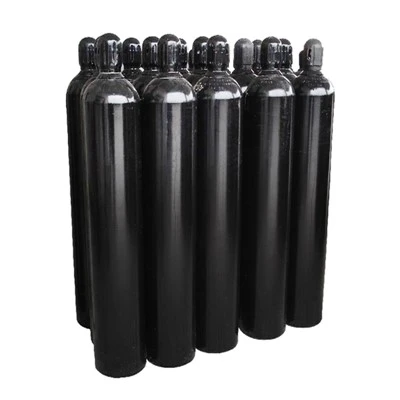
If you’re reading this, chances are you’ve been staring at your tap water one too many times lately—maybe it smells like chlorine, has a weird tint, or you’ve heard a neighbor complain about heavy metals or PFAS. Or maybe you just got a new house and have no clue where to start with fixing your home’s water. Either way, I’m here to cut through the total garbage that’s out there about purification systems. I’ve been selling these things for 8 years now, and let me tell you, the #1 question I get isn’t “do I need one?”—it’s “what size the hell do I actually need for my place?”
I’ve seen people overspend on huge systems that waste water and take up half their basement, and I’ve seen people buy a tiny countertop filter that couldn’t keep up if their shower turned on and their dishwasher ran at the same time. It’s not rocket science, but there’s way too much jargon out there that makes it feel like it is. Let’s break this down like we’re hanging out at my shop, drinking a cheap coffee (no fancy lattes here), and figuring out exactly what works for you.
First off, let’s get one thing straight: “size” isn’t just about how big the unit is physically. Yeah, that matters for where you put it, but the real size you need is about two things: how much water your household uses every day, and what impurities you’re fighting. Most online guides skip the second part and just say “3 people = 50 gallons a day,” but that’s not gonna work if your well has high iron or your city adds extra fluoride. Let’s start with the basics of water usage, because that’s the foundation.
Calculating daily water use sounds boring, I know, but trust me—it’s easy. Let’s do the math together, no fancy calculator required. First, how many people live in your home? A single person uses about 80-100 gallons a day. A couple is 150-200. 3 people? 220-300. 4 people? 300-400. Wait, but hold on—if you have kids, or someone who works from home and uses the bathroom every hour, or you water a big lawn, add 50-100 gallons. If you only drink filtered water (and that’s all you use for coffee, tea, and cooking), you can scale that back by 25-30%. But if you want filtered water for your whole house—showers, dishwasher, laundry, the works—stick to the higher end of that range.
I had a customer last year, let’s call him Mike, who had a 2-bed, 2-bath with his wife and a golden retriever. He told me he used 150 gallons a day, but when I ran the numbers, he’d forgotten that his dog’s outside water bowl is refilled twice a day and he fills his truck’s windshield washer every Sunday. By the time we added that, he was at 220 gallons—so a system sized for 150 would’ve been dead in 6 months. Don’t be Mike (well, he’s nice, but don’t skip this step).
Next up, the big one: what contaminants are you dealing with? Because if you’ve got a well that tests high for arsenic and nitrates, you need a way different system than if you just want to get rid of the chlorine smell from city water. The Environmental Protection Agency (EPA) has a list of regulated contaminants, but most people don’t know that you can check your annual water quality report—every city has to send this to you by law, and if you’re on a well, you can buy a $50 test kit from a hardware store or call your local health department for a free (or cheap) test.
Here’s where size ties to contaminant level. For example: a basic carbon filter (the kind you put under the sink) works great for chlorine, taste, and odor, but it only handles small volumes—usually up to 50 gallons a day, max. So if you just want filtered water for drinking and cooking, that’s fine for small households. But if you have high levels of lead or heavy metals, you need a reverse osmosis (RO) system, and RO systems require a storage tank because they produce water slowly—usually 10-15 gallons per day. So if your household needs 100 gallons of filtered drinking water a day, you can’t get a 15-gallon RO unit—it’ll never keep up, and you’ll be waiting 10 minutes for a glass of water every time.
I had another customer, Sarah, who bought a cheap online RO system for her 3-bed house. She has 2 kids, so she was filling water bottles all day, and her system produced 12 gallons a day. By the end of the first month, she was calling me yelling that the tank was always empty. She’d sized it wrong because she didn’t account for how much filtered water she actually uses, not just total household water.
Now, let’s talk about physical size, because that’s the part that makes you go “wait, will this fit under my sink?” or “can I put this in my utility closet?” If you’re getting an under-sink system, measure the space first. Most standard under-sink cabinets are 12-18 inches wide, so a unit that’s 10 inches wide will fit, but a 15-inch one might be tight if you have pipes or a garbage disposal. For whole-house systems, they’re bigger—usually 2-4 feet tall, 1-2 feet wide—so you need space in your basement, garage, or utility room. I always tell people to take a photo of the space where you’ll put it, and send it to me if you’re not sure. I don’t charge for that, by the way—no hidden fees here.
Another thing people sleep on: flow rate. That’s how fast the water comes out, in gallons per minute (GPM). If you’re getting a whole-house system, you need a flow rate that matches your main water line. Most homes have a ¾-inch main line, which can handle up to 10 GPM, but some older homes have ½-inch lines, which top out at 5 GPM. If you buy a system that flows 8 GPM for a ½-inch line, it’ll cause water pressure issues, and no one wants to take a shower that feels like a drippy faucet. For under-sink systems, flow rate is less of a big deal for drinking water, but if you’re using it for a kitchen faucet, you don’t want to wait 30 seconds for a glass. A good under-sink unit has a flow rate of 0.5-1 GPM, which is perfect.
Let’s run through some real examples, because I know real stuff helps. Let’s say you’re a single person in a 1-bed apartment on city water, just want filtered drinking water for coffee and cooking. Daily use: 80 gallons. Contaminants: just chlorine. What size? A basic under-sink carbon filter, sized for 50 gallons a day. Wait, why 50 instead of 80? Because you’re only using that system for drinking and cooking, not the whole apartment. That’s a common mistake—people buy a system sized for their whole house when they only need it for one faucet.
Another example: a family of 4 in a 3-bed house on well water, needs whole-house filtration because they have iron and hard water. Daily use: 350 gallons. Contaminants: iron, hardness, maybe some sediment. What size? A whole-house system sized for 400 gallons a day, with a flow rate of 8 GPM. That’s enough to handle all the showers, dishwasher, laundry, and outside water. You don’t need a 500-gallon one—you’ll pay more in upfront costs and filter replacements, and it’ll take longer to get up to pressure.
Wait, what about filter life? That’s part of “size” too, right? A system sized too small for your use will have to replace filters way more often, which ends up costing you more in the long run. If you have a 400-gallon system in a 200-gallon house, the filter might last a year, but if you put that same 200-gallon system in a 400-gallon house, you’re changing filters every 6 months. That’s just throwing money down the drain. I see this all the time with people who buy cheap systems online—they’re sized too small, so they’re on the phone every 6 months asking to replace filters.
Also, don’t forget to test your water before you buy. I can’t stress this enough. A lot of people come to me saying “I need an RO system” because they saw a TikTok about it, but their water only has chlorine, so a $50 carbon filter would work 90% as well for a fraction of the cost. Testing is like doing a quick checkup for your water—you wouldn’t buy medicine without knowing what’s wrong, right? Same thing here.
Let’s bust a couple myths while we’re at it. Myth #1: Bigger is always better. No. If you live in a tiny apartment, a whole-house system is overkill. A countertop filter works just fine. Myth #2: All systems with the same physical size work the same. Nope. I’ve had customers bring in a $100 Amazon system that’s the same size as a $300 one from my shop, and guess what? The Amazon one only handles 30 gallons a day and has a flow rate that’s half the good one. Brand matters, especially when it comes to parts quality.
Here’s my step-by-step checklist to figure this out, so you don’t have to guess:
- Count the number of people (and pets, outside use) in your home. Add 50-100 gallons if you have lawn care or regular truck washing.
- Get a water test: if city water, grab your annual report; if well, do a $50 test. Jot down the main contaminants you need to remove (chlorine, iron, lead, hardness, etc.).
- Decide if you want filtration for just drinking/cooking (point-of-use) or the whole house (point-of-entry).
- Match your daily water use to the system’s rated capacity. For point-of-use, use 25-30% of your total household use. For whole-house, use 100% of your total household use.
- Check the flow rate: make sure it matches your main line (for whole-house) or is at least 0.5 GPM for point-of-use.
- Measure the space where you’ll put it (under sink, utility room, etc.) so you don’t buy something that won’t fit.
I once had a lady named Lisa who followed this checklist to a T. She had a 2-bed house with her teen son, on well water that had high arsenic and sediment. Total use was 250 gallons. She wanted whole-house filtration, so we got a system sized for 300 gallons, flow rate 8 GPM, and it fit perfectly in her basement utility closet. She texted me last month saying her water tastes great, her clothes are softer, and she hasn’t had any pressure issues. That’s exactly what we want.
Now, I know this stuff still feels overwhelming if you’re not a pro. That’s why I’m here—no pushy sales tactics, no hidden fine print. If you’re still not sure, just reach out and tell me your household size, where your water comes from, what you want to filter, and where you need to put it. I’ll hook you up with a free, no-obligation recommendation. No pressure, just real advice from someone who’s been doing this long enough to know what works and what’s just a waste of your money.
At the end of the day, the worst thing you can do is guess. Buy a system that’s too small, and you’ll be replacing filters every 6 months and dealing with low water pressure. Buy one that’s too big, and you’ll pay thousands extra upfront and for maintenance for no reason. The sweet spot is matching the system to your actual needs, not what’s trending online or what the sales guy tells you is “the best.”
So if you’re ready to stop guessing and get a purification system that actually works for your home, all you have to do is reach out. We can talk through it, answer any questions you have, and make sure you get the right size—no stress, no hassle. Your water should be clean, safe, and something you don’t have to think about every day, and that starts with getting the size right.

Don’t wait another month dealing with chlorine-smelling showers or tap water that tastes like metal. Hit me up, let’s get this sorted.
Small Air Separation Unit References:
- U.S. Environmental Protection Agency. (2023). National Drinking Water Contaminant Candidate List.
- Water Research Foundation. (2022). Residential Water Use Characteristics in Single-Family Homes.
- World Health Organization. (2021). Guidelines for Drinking-Water Quality, 4th ed. Addendum: Other Contaminants.
- American Water Works Association. (2020). Residential Point-of-Use and Point-of-Entry Treatment System Sizing Guidelines.
Xinxiang Jiale Intelligent Equipment Co., Ltd.
As one of the most professional purification system manufacturers and suppliers in China, we’re featured by quality products and good service. Please rest assured to buy durable purification system for sale here from our factory. We also accept customized orders.
Address: No.3913, 9th Floor, Unit 3, East Commercial and Office Complex, Baolong City Plaza, Hongqi District, Xinxiang City, Henan Province, China
E-mail: cc2397410@gmail.com
WebSite: https://www.jiale-asu.com/
