If you’ve ever worked in construction, metal fabrication, or even tried to tackle a backyard deck build, you’ve probably stumbled across the term “cladding bar” — and if you haven’t, well, that’s exactly what I’m here to break down. I’m a cladding bar supplier, so I deal with these little workhorses every single day, and let me tell you, they’re way more versatile than most people give ’em credit for. A lot of folks new to the game mix ’em up with trim pieces, fasteners, or even random metal strips, but nah — cladding bars are a specific, purpose-built component that keeps whole structures (and finished surfaces) from falling apart or looking sloppy. Cladding Bar

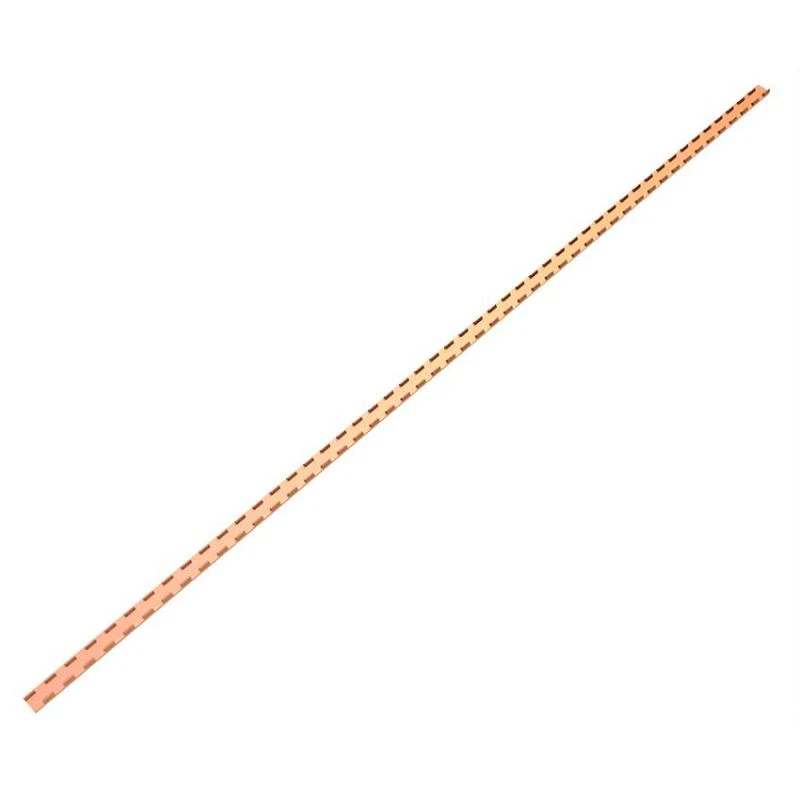
First off, let’s keep this simple. Cladding bars (sometimes people call them “clipping bars” or “fin bars,” depending on where you’re from) are thin, rigid metal strips — usually aluminum, steel, or sometimes stainless steel — that act as a hidden bridge between a building’s main structure and the cladding itself. Cladding, for the uninitiated, is that outer layer you see on buildings: think the vinyl panels on a suburban home, the metal siding on a warehouse, the composite boards on a apartment balcony, or even the thin stone tiles you see on luxury office buildings. That outer layer doesn’t just sit directly on the framing, right? It needs room to move, to expand and contract with temperature changes, and to stay securely attached without being drilled through every inch. That’s where cladding bars come in.
Let’s talk about why movement matters, because that’s the whole reason cladding bars exist. Metals and building materials expand when it’s hot and shrink when it’s cold. If you nail or glue a 10-foot metal siding panel directly to a wooden stud, come mid-summer when the metal heats up, it’s gonna warp, buckle, or even split — and come winter, it’ll shrink so much that gaps open up where water can get in and cause rot. Cladding bars are designed to fix that. They have a small, adjustable slot on one side that lets you slide the cladding panel into place without locking it tight immediately. Once you’ve positioned it, you can either secure the bar to the main structure (the studs, the framing, the substructure) and then slide the panel into the slot, or fasten the panel loosely to the bar — leaving that tiny gap for movement. I can’t tell you how many times I’ve had a customer call me panicking about a siding warping issue, and nine times out of ten, they skipped using a cladding bar entirely and just drilled the panels straight to the wall. Total rookie move.
Another big use: water and air sealing. Cladding bars create a continuous, flat surface for the cladding to sit on, which means there are no gaps where wind, rain, or pests can sneak through. For commercial buildings, especially in areas with heavy rain or high winds, this is non-negotiable. A lot of our clients who work on retail stores or multi-family apartments go for aluminum cladding bars because they’re corrosion-resistant — perfect for coastal areas where salt air would eat through steel fast. We also stock heavy-gauge stainless steel bars for industrial facilities, where they’re exposed to harsh chemicals or extreme temperatures. The bar’s design also lets you add sealant or flashing tape behind it, creating an extra barrier between the cladding and the main structure. I’ve had one repeat customer who builds shipping container homes swear by our steel cladding bars — he says they’ve cut his water intrusion calls in half compared to the cheap plastic strips he used before.
Wait, let’s not forget interior uses, either. A lot of people associate cladding bars with exterior siding, but they’re just as common indoors. If you’ve ever seen that sleek, modern accent wall in a loft apartment — the one with the thin metal panels or the large format porcelain tiles — there’s a good chance a cladding bar is holding it up. Interior cladding bars don’t have to handle the same extreme temperature swings as exterior ones, so a lot of our customers go for lighter aluminum or even powder-coated steel to match the wall’s finish. They’re also great for DIY projects, by the way — if you’re a homeowner looking to add a feature wall without hiring a contractor, cladding bars make it way easier to get a professional, seamless look. No more crooked tiles or uneven metal panels; the bar acts as a guide to keep everything straight.
Let’s also clear up a common misconception: cladding bars aren’t fasteners. They’re not screws, nails, or bolts that you hammer in. They’re a support system. Think of ’em like the invisible studs for your cladding — except they’re designed to flex and move with the material, not hold it rigid. That flexibility is key for preventing structural damage. For example, if a region gets a lot of seismic activity (earthquakes), cladding bars let the outer layer shift a little during a tremor instead of snapping off. We supply a ton of seismic-rated cladding bars to construction companies in places like California and Japan, where quake safety is a big deal. Those bars have extra-long slots and reinforced edges to handle more movement without bending.
What about different types, you ask? Let’s run through the main ones we stock, since that’s practical for anyone actually working with these. First, J-shaped cladding bars — those are super common for exterior siding, because the J-shape creates a channel that holds the panel tight, so wind can’t lift the edges. Then there’s Z-shaped bars, which are more for interior applications, especially when you’re installing panels that sit flush against each other — the Z shape creates a neat, narrow gap that you can fill with caulk for a seamless look. We also offer slotted cladding bars, which are the go-to for temperature-heavy areas, since their adjustable slots let the panel move freely without binding. Oh, and for heavier cladding, like stone or thick metal panels, we have reinforced structural cladding bars that are thicker and can support more weight without bending.
Now, let’s talk about why our supply stands out a little, since I’m the one you’d work with. A lot of cladding bars on the market are cheap, thin metal that bends or rusts after a year or two. We use 14 to 16-gauge aluminum or steel (depending on the grade) — that’s thick enough to hold up but still lightweight enough for easy installation. We also powder-coat most of our bars to match common cladding colors, so you don’t have to worry about the bar clashing with your siding or panels. A lot of suppliers just sell bare metal, so you have to paint it yourself, which adds extra time and money to a project. We skip that hassle.
I’ve worked with everything from small residential contractors building a single-family home to big commercial firms working on 10-story office buildings, and the question I get most is, “Do I even need a cladding bar?” My answer is almost always yes — unless you’re using a super lightweight, flexible cladding like thin vinyl sheets, and even then, I still recommend ’em for longevity. Skipping the cladding bar might save you a few bucks upfront, but it’ll cost you way more in repairs down the line. I had a customer last year who tried to skip bars on a 2-story townhouse siding job; two years later, his panels were buckled so bad he had to replace half of them. He ended up calling me to restock bars for his redo — lesson learned.
Another use case I don’t see talked about enough: solar panel mounting. Wait, yeah — a lot of solar installers use modified cladding bars to attach solar panels to the roof’s metal cladding. The bars create a secure, vibration-resistant mount that can handle wind, and they leave room for the metal roof to expand and contract. It’s a perfect cross-use of a component that’s already purpose-built for movement and support. That’s one of the cooler things about cladding bars, in my book — they’re adaptable to so many different projects, not just the siding jobs everyone associates them with.
What about maintenance? Cladding bars are low-effort, thank goodness. Since they’re usually made of corrosion-resistant materials, you barely have to clean ’em — just a quick wipe with mild soap once a year, same as the cladding itself. If you’re using steel bars in a coastal area, a light rinse with fresh water a couple times a year helps cut down on salt buildup, but even that’s minimal. The only time you might have to replace a bar is if there’s physical damage, like a dent from a falling branch, but that’s rare.
At the end of the day, cladding bars are all about three things: durability, flexibility, and a clean, professional finish. They’re the unsung heroes of construction and interior design — no one notices them when everything’s working right, but everyone notices when they’re missing. If you’re working on a project, whether it’s a small backyard deck, a home exterior remodel, a commercial office build, or even a solar installation, you don’t want to skimp on these. We stock all types of cladding bars, from standard J-shaped aluminum to heavy-duty seismic-rated steel, and we can cut ’em to custom lengths if you need something specific. If you’re not sure what type you need, just reach out — we’re happy to walk you through what works best for your project. Don’t wait until you run into a warped panel or a water leak to pick up a cladding bar; get the right component upfront, and save yourself the hassle later.
Cladding Bar References
- Construction Specifications Institute. (2022). Metal Cladding Systems and Accessories. Manual of Practice for Construction, Volume 4.
- National Association of Home Builders. (2021). Residential Siding Installation Best Practices. Home Building Technology Report.
- International Code Council. (2020). Seismic Design Requirements for Exterior Building Components. International Building Code Supplement.
AATI Cathode Co., Ltd.
AATI Cathode Co., Ltd. is one of the leading cladding bar manufacturers and suppliers in China. We warmly welcome you to buy high-grade cladding bar made in China here from our factory. All customized products are with high quality and competitive price. Contact us for free sample.
Address: NO.1, ZHENXING ROAD, BAOJI CITY, SHAANXI, CHINA
E-mail: ivy@bjaati.com
WebSite: https://www.bjcathode.com/
