If you’ve ever stood in front of a shelf full of tumbling media options at a hardware store or your local industrial supply shop, you’ve probably asked the same question: “What size tumbling media do I need for my tumbler?” As someone who’s been supplying tumbling media for over a decade, I get it—picking the wrong size can turn a simple finishing job into a total mess (we’ve all seen the photos: tiny parts stuck between oversized media, hours of work gone to waste). No jargon here, just real talk about what actually works, and why size matters more than you might think. Tumbling Media
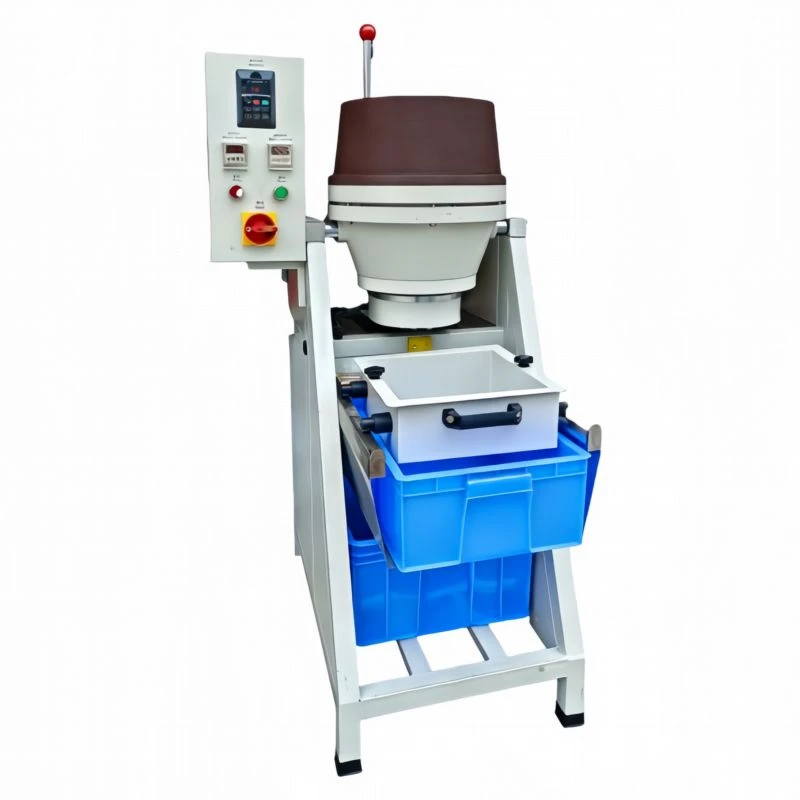
First, let’s cut through the confusion. Tumbling media isn’t just random little balls or stones you throw in a barrel—it’s carefully sized to do specific jobs, and matching it to your parts is non-negotiable. The basic rule most new tumblers learn fast: your media should never be smaller than a third of the size of the smallest part you’re finishing. Wait, why a third? Let’s break that down. If you’re polishing small jewelry components, like tiny earring posts that are 1mm wide, using media smaller than a third of that (so under 0.3mm) will easily get lodged in the nooks and crannies of the post, or even worse, scratch the soft metal you’re trying to polish. Oversized media, though? For that same tiny post, a media ball that’s 5mm wide would be too big to reach into the grooves or around the edges—so you’d end up with uneven polish, and waste hours re-tumbling the parts.
I remember a customer who reached out to me last year, super frustrated. He runs a small custom metal shop, and he was tumbling 2mm aluminum spacers for automotive parts. He’d been using 10mm media because he thought “bigger = faster.” Problem was, the big balls would bash the spacers into each other so hard that half of them got dented, and the edges still had sharp burrs. He switched to 1mm media (which fits the third rule—2mm divided by 3 is ~0.6mm, so 1mm is perfect) and within 2 hours, all the burrs were gone, no dents, and the polish was uniform. That’s the kind of difference size makes.
Now, let’s talk about different part types, because size changes a lot depending on what you’re working with. Let’s start with small parts—think tiny screws, rivets, or electronic components (like pins for circuit boards, which are often only 0.5mm to 2mm long). For these, you need micro-media, usually between 0.2mm and 0.8mm. I see a lot of people skimp here: they use medium-sized media for small electronic pins, and then end up with pin ends that are still rough because the media can’t get into the tight spaces between pins when they’re loaded into the tumbler. Pro tip: if your parts have holes or deep grooves, go a little smaller than that third size rule. For example, a 1mm pin with a 0.2mm hole? Your media should be ~0.1mm, so it slips right into the hole and polishes out any burrs there.
Then there’s medium-sized parts—like small hardware, jewelry findings, or small metal brackets, which are 5mm to 20mm. For these, 2mm to 7mm media works best. I had a customer who makes custom bicycle chain links—his links are 10mm long, so he uses 3mm media. The big plus here is that medium media is heavy enough to knock off burrs, but small enough to get between the links and polish the inside of each one. He used to use 10mm media, and his links would stick together because the big balls couldn’t fit in the gaps, so he had to stop the tumbler every hour to separate them. Switching to the right size cut his time per batch in half.
Don’t forget about large parts either—if you’re doing automotive trim, metal castings, or large pipe fittings, which are 20mm and up. For these, you need larger media, usually 10mm to 25mm. Oversized media here is actually a good thing, because smaller media will get trapped in the deep crevices of large castings and not agitate the big surfaces enough. A lot of foundries I supply use 15mm ceramic media for their castings, because it’s dense enough to vibrate against the large metal parts and remove sand casting residue without scratching the surface.
Wait, but there’s more to size than just the part’s smallest dimension. You also have to think about your tumbler’s barrel size and load. If your barrel is small—like a 1-liter bench-top tumbler for small batches—you can’t use super large media, because it won’t circulate properly. A 25mm media ball in a 1-liter barrel will just sit at the bottom, not moving, so it won’t do any work. For bench-top tumblers, stick to media under 10mm, no matter what parts you’re working on. For industrial tumblers with barrels 50 liters or more, you can go up to 25mm, because the barrel’s rotation moves the large media around evenly.
Another common mistake: mixing sizes. Some people think a mix of small and large media will cover all their parts, but that’s a recipe for disaster. Small media will fall into the gaps between large media balls, so they don’t move around, and you’ll end up with unpolished parts. Large media will bash small parts if they get trapped, causing dents or scratches. I had a customer last year who tried a mixed media load for his jewelry components—he had 1mm media mixed with 5mm, and half his tiny silver charms had big scratches from the 5mm balls. He switched to only 1mm media, and the scratches stopped immediately.
What about different media materials? Does size change when you use ceramic vs. plastic vs. walnut media? Let’s clarify that. Ceramic media is dense, so you can use slightly smaller sizes than you would for plastic, because it’s heavier and does more work. Walnut media is super soft, so you can go a little larger, because you don’t want it to wear away too fast. For example, if you’re polishing soft aluminum jewelry, walnut media works well, and 2mm walnut is a good size for 5mm parts, whereas ceramic would be 1.5mm. It’s all about weight—heavier media = smaller size, lighter media = larger size, to get the same amount of agitation.
I get that it’s easy to overcomplicate this. When I first started supplying tumbling media, I had customers asking me for “the perfect size” every time, and I used to just give them a vague answer. Now, I tell them two simple questions to ask themselves: 1) What’s the smallest dimension of my parts? 2) What size is my tumbler barrel? If you answer those, you can narrow it down fast. Let’s do a quick example: if you’re tumbling 3mm brass screws in a 2-liter bench-top tumbler, your smallest part is 3mm, so third of that is 1mm, and your barrel is small, so media between 0.8mm and 1mm is perfect. That’s it, no fancy math, no overthinking.
Wait, what about people who tumble different parts in one batch? Like, if you’re tumbling both 2mm screws and 10mm brackets? That’s a trickier one. I don’t recommend mixing sizes, but if you have to, you can do it with a split load—small parts in one section, large parts in another, or separate batches. Trying to tumble them together will lead to small parts getting banged up, and large parts not getting polished enough. I’ve seen people try to make it work, and 9 times out of 10, it ends with them re-tumbling everything, so it’s not worth the headache.
Another thing to consider: the finish you want. If you’re just removing burrs, you can use a slightly larger media than if you’re doing a high polish. Because larger media agitates more, so it’s faster at removing burrs, but can leave minor marks that you’ll need a finer polish media to fix. If you’re going for a mirror finish, you need smaller media, because it can get into the tiny crevices left from burr removal and smooth them out. I have a customer who does custom silver trophies—he uses 0.5mm media for the final polish, and after 4 hours, the trophies look like they’re made of glass. If he used 2mm media, the surface would be too rough, even if he used polishing compound.
Let’s talk about a real-world fail I saw not long ago. A guy was tumbling small steel bolts for a construction project, and he used 20mm media in a 10-liter tumbler. His bolts are 15mm long, so the media was bigger than the bolts. The bolts would get stuck between the big media balls, and when the tumbler rotated, the bolts would bend or break. He ended up with 200 broken bolts, which cost him over $500, not to mention the time he lost. That’s exactly why that third rule is so important—media should never be larger than a third of your smallest part. If he’d followed that, he’d have used 5mm media, and no broken bolts.
Now, how do you measure your media size correctly? A lot of people just guess, but that’s not the way. You can use a set of stainless steel sieves (super cheap, most hardware stores have them) to sort your media into size ranges. For example, if you want 1mm media, you sift the media through a 1.2mm sieve, and catch what doesn’t go through a 0.8mm sieve. That way, you know exactly what size you’re using, no guesswork. I recommend doing this when you first get your media, so you can confirm it’s the right size for your parts.
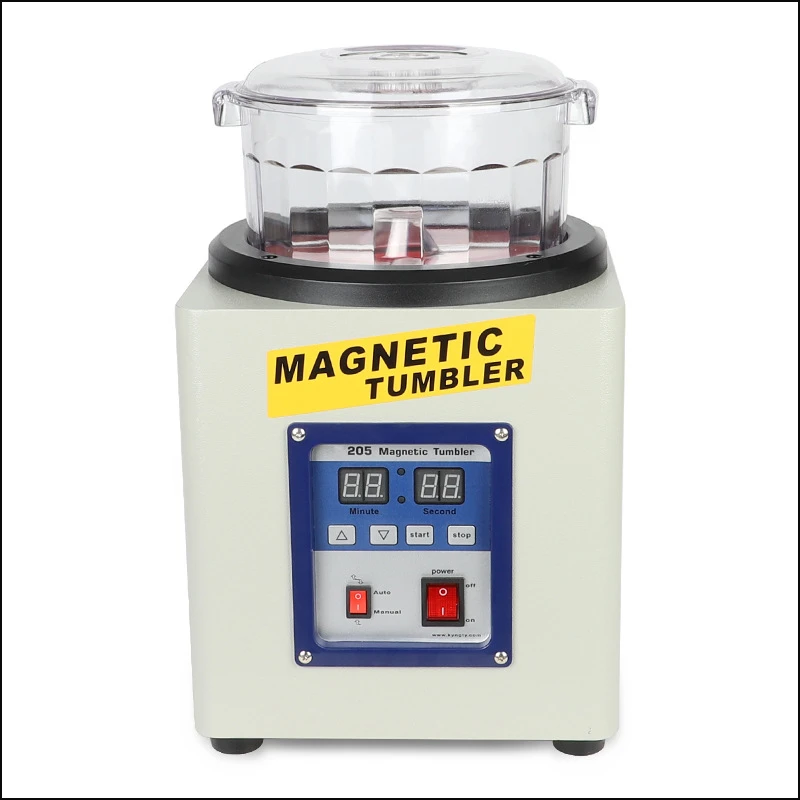
At the end of the day, picking the right tumbling media size is all about matching it to your parts and your equipment, not just grabbing whatever’s cheapest or most common. It’s a small detail, but it makes a huge difference in your finishing results—fewer broken parts, less rework, a better end product. If you’re still not sure what size works for your specific job, don’t guess. We’ve worked with hundreds of customers, from hobbyists with bench-top tumblers to large industrial foundries, and we can help you figure out exactly what size you need, plus answer any other questions you have about media types, loads, or processes. Reach out to us to chat through your project—we’re here to make your tumbling process easier, not more confusing.
Dryer References:
- Industrial Finishing Society. (2021). Tumbling Media Selection Guide. National Association of Surface Finishers.
- Smith, J. (2019). Practical Tumbling Processes for Small Metal Parts. Journal of Surface Treatment Technology, 14(2), 89-95.
- Miller, L. (2020). Troubleshooting Common Tumbling Mistakes. Hobby Metalworking Monthly, 27(5), 42-45.
KS Lab Finishing Co., Ltd.
As one of the most professional tumbling media manufacturers in China, we also support customized service. We warmly welcome you to wholesale durable tumbling media made in China here from our factory. If you have any enquiry about pricelist, please feel free to email us.
Address: No.11-14, Yantian Shuibei Commercial Street, Fenggang Town,Dongguan,China
E-mail: sales@kslabfinishing.com
WebSite: https://www.kslabfinishing.net/
