As a Tencel fabric supplier with over a decade of hands-on experience working directly with mills, designers, and brands of all sizes, I’ve learned that one of the most common questions I get from new buyers is: “Wait—Tencel isn’t just one fabric?” It makes sense, really. The Lyocell-based fiber was trademarked by Lenzing back in the 1990s, and for a long time, many people lumped all Tencel into a single category of soft, eco-friendly textiles. But over the years, Lenzing has expanded its Tencel line to serve every corner of the apparel, home, and industrial markets, and each type brings unique properties that matter for both product performance and sustainability. Today, I’m breaking down the key types of Tencel fabric we work with here, what makes each special, and how to choose the right one for your project. Tencel Fabric
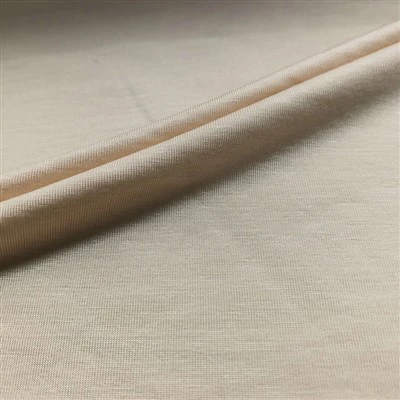
First, let’s start with a quick refresher on what makes Tencel different from other cellulosic fibers (like cotton, viscose, or rayon). Tencel is made from sustainably sourced eucalyptus or hardwood trees, grown in FSC-certified forests—meaning no old-growth trees, and every harvest is replanted. The production process uses a closed-loop system, where 99% of the solvent used to break down wood pulp is recycled and reused, so very little waste or pollution enters the environment. That sustainability promise is non-negotiable for us as a supplier, and it’s the foundation of every Tencel type we stock.
Now, let’s dive into the core types. The first, and most widely known, is Tencel Lyocell (often just called “standard Tencel” or sometimes branded as Tencel™ Lyocell by Lenzing). This is the original, pure Tencel fiber, made from 100% wood pulp without any additional blends. What makes it stand out is its ultra-smooth, slightly lustrous handfeel—think the softness of high-thread-count cotton, but with a breathability that keeps you cool in summer and warm in cool weather, unlike heavy cotton that traps heat. We use this type for a lot of our base fabrics: it’s perfect for sheets, activewear, and basic t-shirts because it resists pilling, holds its shape through hundreds of washes, and has a natural moisture-wicking quality that pulls sweat away from skin. One thing buyers might not know: standard Tencel Lyocell has a unique cross-sectional shape (oval with a hollow core) that helps it move air more efficiently than flat cotton fibers. I’ve had designers come to us looking for a “luxury but eco-friendly” alternative to silk, and standard Tencel Lyocell is almost always their first pick—especially for blouses and dresses that need a drapey, elegant look.
Next up is Tencel Modal, a type that’s often confused with standard Lyocell, but has distinct properties. Modal is made from beech wood pulp, same as Lyocell, but the production process is slightly different: the fibers are shorter, and the surface is more textured, with a matte finish instead of Lyocell’s sheen. The handfeel is even softer than standard Tencel—almost like a cloud, which is why it’s so popular for baby clothes, loungewear, and underwear. But here’s where it differs: Modal has a higher moisture absorption rate than Lyocell, meaning it’s great for items that need to feel damp (like towels) or hold fragrance (like bed linens that get scented with laundry detergent). It’s also more prone to shrinking if not pre-washed, so we always recommend treating it with a pre-shrunk finish when supplying it to apparel brands. We stock both 100% Modal blends and Modal blended with small amounts of elastane for stretch—this combination is a game-changer for leggings, because it retains Modal’s softness while adding the give that active or casual wear needs. A lot of our customers in the home goods space love Tencel Modal for duvets and pillowcases because it doesn’t feel slippery like satin, but still has a silky smoothness that feels luxurious.
Then there’s Tencel Luxe, a newer line from Lenzing that’s designed for high-end, premium products. If you’ve ever touched a sheet that feels softer than any cotton you’ve ever owned, there’s a good chance it’s Tencel Luxe. What sets Luxe apart is a specialized “nanofinish” that creates an ultra-smooth, almost buttery surface, and the fibers are processed to have a longer staple length than standard Lyocell. Longer staple fibers mean less loose ends, so the fabric is less likely to pill, even after years of use. We use Tencel Luxe almost exclusively for our high-end sheet sets, luxury loungewear, and couture apparel. It’s also more durable than standard Tencel, with a tensile strength that’s 20-30% higher, so it stands up to frequent washing without wearing thin. One tip for buyers: because Luxe is a premium product, it’s often more expensive, but many brands see higher customer retention because products made with it last longer than those made with standard Tencel. We recently supplied a run of Tencel Luxe dresses to a fast-fashion brand’s premium line, and they told us that customer reviews highlighted the fabric’s softness as a top reason for repeat purchases.
Another key type is Tencel Denim, a line that’s revolutionized the denim industry’s sustainability. For years, denim was a notoriously water- and energy-heavy product, with most brands using cotton that uses thousands of gallons of water per pound, plus harsh chemicals for dyeing and washing. Tencel Denim changes that: it’s made from 100% Tencel Lyocell (or a blend with a small amount of recycled cotton), and the production process uses 80% less water than traditional denim, with less waste from dyeing. The Tencel fibers give the denim a softer, more drapey feel than rigid cotton denim, so it breaks in faster and is more comfortable to wear all day. We work with several sustainable denim brands that use Tencel Denim for their best-selling jeans and jackets. A lot of people ask if Tencel Denim fades the same way as cotton denim—yes, it does, but the fade is softer and more gradual, which many customers prefer. We also stock a “stretch Tencel Denim” that blends Tencel with recycled elastane, perfect for skinny jeans or jeggings that need a little give.
Then there’s Tencel Performance, designed specifically for activewear and sportswear. This type is engineered to be moisture-wicking, odor-resistant, and quick-drying—properties that standard Tencel has, but Tencel Performance amplifies. Lenzing adds a specialized finish to the fibers that prevents bacteria from growing on the fabric, so activewear stays fresh longer without needing to be washed after every use. That’s a huge selling point for runners, yogis, and gym-goers who hate the hassle of frequent laundry. We supply Tencel Performance to a number of mid-range and premium activewear brands, and they tell us that it performs better than polyester or nylon for hot yoga or long runs, because it doesn’t trap sweat against the skin. It’s also more breathable than synthetic activewear, which can feel stuffy when you’re working up a sweat. One thing to note: Tencel Performance is a blended fabric, usually mixed with a small amount of recycled polyester to enhance its quick-drying properties, so it’s not 100% Tencel. But that blend is intentional, and it’s still much more sustainable than 100% synthetic activewear.
Wait, there’s also Tencel Home, a category focused on textiles for the home: sheets, towels, curtains, and upholstery. While it’s not a separate fiber type, it’s a fabric line that uses a mix of standard Lyocell, Modal, and Luxe to create home-specific products. For example, Tencel Home Sheets are usually a blend of Lyocell and Modal, combining Lyocell’s durability with Modal’s softness, while Tencel Home Towels are often 100% Modal because of its high moisture absorption. We find that many home goods buyers prefer Tencel Home because it’s hypoallergenic—unlike some cotton fabrics, which can trigger allergies in people with sensitive skin, Tencel is naturally resistant to dust mites and mold, making it a great choice for bedrooms and bathrooms.
Now, let’s talk about how to choose the right Tencel type for your needs, because as a supplier, I see buyers make this mistake all the time: picking the cheapest Tencel without considering their product’s end use. If you’re making baby clothes or loungewear, Tencel Modal is your best bet for softness. If you’re making high-end dress shirts or sheets that need to last, Tencel Luxe is worth the investment. If you’re making activewear, go for Tencel Performance, and if you’re working on denim, Tencel Denim is the most sustainable option. And always, always ask your supplier for the fiber content breakdown—some brands market “Tencel blended” fabrics that use a tiny amount of Tencel mixed with mostly viscose, which doesn’t have the same eco-friendly or performance properties.
As someone who’s been in this industry for years, I can tell you that the demand for Tencel fabrics has exploded because of their sustainability, but also because they just work better than many other fabrics. Unlike cotton, which can shrink or pill after a few washes, Tencel fabrics hold their shape and softness, and their closed-loop production means they have a smaller carbon footprint than almost any other natural fiber. That’s why we work exclusively with Tencel from Lenzing—they’re the original and most trusted brand, and their quality control means every batch is consistent, no surprises.
Whether you’re a small designer looking for fabric for your first collection, a brand owner wanting to switch to more sustainable materials, or a retailer sourcing for your store, we have a Tencel type that fits your needs. We work with projects of all sizes, from small runs for emerging brands to bulk orders for large retailers, and we’re committed to answering any questions you have about which Tencel fabric will work best for your product. If you’re ready to discuss your project, we’d love to connect to share samples, pricing, and how we can support your needs.
Certified Fabric For more information on Tencel fabric types and their properties, you can refer to the following sources:
- Lenzing AG. (2024). Tencel Fiber Types & Applications. Retrieved from industry whitepapers on sustainable cellulosic fibers.
- Textile Institute. (2023). Cellulosic Fabrics: Properties and Performance of Tencel Variants.
- Sustainable Apparel Coalition. (2024). Environmental Impact of Tencel vs. Other Cellulosic Fibers.
Shaoxing Valu Textile Co., Ltd.
Shaoxing Valu Textile Co., Ltd. is one of the most professional tencel fabric manufacturers and suppliers in China. We have world-leading production equipment and strong manufacturing capabilities. Please feel free to wholesale bulk high quality tencel fabric made in China here from our factory. Also, custom service is available.
Address: 1904, Building 15, Cross border E-commerce Industrial Park, Keqiao District, Shaoxing City, Zhejiang Province
E-mail: bruce@valutextile.com
WebSite: https://www.valutextile.com/
