If you’ve ever installed or used a bidet set, you know how convenient they are for daily hygiene, but even a well-made unit can run into small issues that throw off your routine. As a bidet set supplier who’s worked with hundreds of customers to solve these problems, I’ve seen nearly every common issue you can think of—from a weak spray to a leaky hose—and I’ve learned that most don’t require calling a technician. Troubleshooting these problems yourself saves time and money, and it’s often simpler than you might expect. Let’s break down the most frequent bidet set issues, step-by-step fixes, and how to prevent them from coming back. Bidet Set
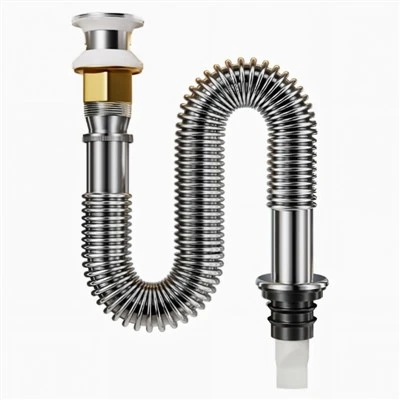
First, let’s start with the root of most bidet problems: water supply issues. Your bidet runs off your home’s cold water line (and sometimes hot, depending on your model), so if there’s a problem with that supply, every function of your bidet will suffer. One of the first signs is a weak spray, or no spray at all, even when you turn the bidet on fully. I once had a customer call me panicking, saying their new bidet was “broken” because the spray was barely a trickle. When I asked if they checked the shut-off valve under their sink, they admitted they hadn’t. That valve is the main control for your bidet’s water, and it’s often turned off accidentally during plumbing repairs or when someone was cleaning under the sink.
So step one for weak spray: Locate the angle stop valve (that’s the formal name for the shut-off valve) under the bathroom sink. It’s a small valve connected to the water line leading to your bidet, usually a knob or a lever. If it’s turned perpendicular to the pipe, that means it’s closed—turn it parallel to the pipe to open it fully. If you turned it all the way open and still have weak spray, next check the water filter on your bidet’s inlet hose. Most bidet sets have a small mesh filter where the hose connects to the bidet, designed to catch sediment from your home’s water line. Over time, that sediment clogs, blocking water flow. To clean it, turn off the angle stop valve, unscrew the hose from the bidet, pull out the tiny mesh filter (it’s usually a small plastic or metal piece), rinse it under warm water to wash away built-up minerals or debris, then put it back and reconnect the hose. That fixed 60% of the weak spray calls I got last year.
Next, a super common issue: leaks. Leaks can happen in a few places, so you have to narrow down where the water is coming from. If the leak is around the base of the bidet seat where it attaches to the toilet, that’s usually a loose mounting bolt or a damaged wax ring (though more often than not, it’s just a loose bolt). I recommend turning off the water supply, disconnecting the bidet power if it’s an electric model (we’ll talk about electric vs. non-electric in a minute), and checking the two bolts that hold the seat to the toilet. If they’re loose, tighten them gently with a wrench—don’t over-tighten, because that can crack the toilet seat or bowl. If the leak is along the hose, that’s probably a worn washer inside the hose connector. Hoses have rubber washers at both ends to create a tight seal, and after a year or two, those washers can dry out or crack, leading to small leaks. The fix here is simple: replace the old washer with a new one (most hardware stores sell bidet-specific washers for a few dollars) and make sure you tighten the hose connections snugly, not too tight that it damages the threads.
Another leak spot: the spray nozzle. Some bidet sets have a self-cleaning nozzle that retracts into the seat when not in use, and sometimes water can drip from it when the bidet is off. That’s usually a small amount of leftover water in the nozzle line, not a big leak, but if it’s constant, check the nozzle seal. Over time, the rubber seal around the nozzle can wear down, allowing water to seep through. If that’s the case, you can usually buy a replacement seal from your bidet supplier, or sometimes it’s easy to slide off the old one and press a new one into place. For electric bidet models, another common leak is a loose connection at the control panel, so make sure all wiring connections are tight (but always unplug the bidet before working on electrical parts!).
Now let’s talk about electric bidet-specific issues, since those have more components than simple non-electric mechanical bidet sets. One of the most common complaints here is the bidet not turning on, or the remote control not working. For the remote, first check the batteries—they’re often AA or AAA, and people forget to replace them even if the remote looks fine. If the batteries are new, make sure there’s no obstruction between the remote and the bidet’s receiver on the seat, and that the receiver isn’t covered by a towel or toilet paper roll. If the bidet itself won’t turn on, check the outlet it’s plugged into: test another device in that outlet to make sure it has power, and make sure the bidet’s power cord isn’t frayed or damaged. Also, many electric bidets have a safety switch on the side of the seat that cuts power if the seat is lifted—make sure that switch is engaged when you’re using the bidet.
Another electric bidet issue: the spray temperature is off, either too cold or too hot. If your bidet is supposed to have warm water but it’s coming out cold, first check that the hot water supply line is turned on. Most electric bidet models draw both cold and hot water (you connect them to two separate lines), so if the hot line is closed, you’ll only get cold water. If both lines are on, the problem could be the temperature sensor inside the bidet seat. Over time, mineral buildup can coat the sensor, making it read the water temperature incorrectly. To clean it, run a descaling solution through the bidet—mix equal parts white vinegar and water, pour it into the bidet’s water tank if it has one (or attach the solution to the inlet line), run the bidet’s spray function for a few minutes, then flush with clean water. That’s a maintenance step I always remind customers to do every 3 to 6 months, and it fixes most temperature issues. If that doesn’t work, it might be a faulty heating element, which is a job for a professional—but 9 times out of 10, it’s just mineral buildup.
Non-electric bidet sets, which are mechanical and don’t plug in, have their own set of common issues. The most frequent is a weak spray pressure, which we touched on earlier, but another big one is the bidet wand not extending or retracting properly. If your manual bidet wand sticks, that’s usually due to dirt or mineral buildup on the wand itself. To fix it, turn off the water supply, unscrew the wand from the seat, soak it in warm vinegar for 30 minutes to dissolve mineral deposits, scrub the inside of the wand with a small brush (like an old toothbrush) to remove any gunk, then rinse it thoroughly and screw it back on. If the wand is still stuck, the problem could be a worn spring inside the wand assembly, which would require replacing the wand or the entire bidet set’s mechanical part.
Another mechanical bidet issue: the controls (knobs or levers) are hard to turn, or they leak when you adjust them. That’s usually a seal or a washer that’s gone bad. For manual bidet controls, you can unscrew the handle, remove the old washer, replace it with a new one (make sure it’s the right size for your model), and grease the inside of the control with a silicone-based lubricant (not regular grease, which can damage the plastic parts) to keep it moving smoothly. I always recommend silicone lubricant for any bidet moving parts—it’s safe for use with water and won’t break down over time.
Now, a lot of bidet issues get written off as “broken” when they’re actually just easy fixes, but prevention is way better than repair. Here are a few tips to keep your bidet set running smoothly for years. First, do regular cleaning: wipe down the nozzle, wand, and controls with a mild soap and water every week, and descale the entire unit with vinegar every 3 to 6 months to prevent mineral buildup (that’s the number one cause of all those weak spray, stuck nozzle, and temperature issues). Second, when cleaning under the sink, be careful with the angle stop valves—turning them off and on too roughly can damage the valve, leading to leaks later. If you need to turn off the water for plumbing work, turn the knob slowly and gently, same when turning it back on. Third, for electric models, don’t yank the power cord out of the outlet—grab the plug itself, because yanking the cord can loosen internal connections and cause power issues.
One last common issue I get asked about: the bidet seat won’t stay attached to the toilet. That’s almost always from worn mounting hinges. The plastic hinges that connect the seat to the toilet can crack over time, especially if people stand on the toilet seat (which we never recommend—always use the toilet’s rim for standing). If the hinges are cracked, you can buy replacement hinges for most bidet sets, which are easy to install: just remove the old ones, line up the new hinges with the holes in the toilet bowl, tighten the bolts, and you’re done.
If you’ve tried all these troubleshooting steps and your bidet set is still having issues, or if you’re not comfortable working with plumbing or electrical parts, don’t hesitate to reach out to discuss your needs. We offer a range of bidet sets for every bathroom and budget, and our team is here to help you find the right solution, whether you need a replacement part, a troubleshooting guide, or a new bidet set installed. Our priority is making sure your bidet works perfectly for you, so don’t let a small issue derail your hygiene routine—we’re here to help.
Floor Drain For more technical guidance on bidet set maintenance and repair, refer to the following resources. Consumer Product Safety Commission. (2022). Home Plumbing Fixture Maintenance Guide. International Association of Plumbing and Mechanical Officials. (2021). Bidet Installation and Troubleshooting Standards. ASPE. (2020). Residential Bidet System Best Practices. Bidet Supplier Technical Manuals for 2021-2024 Models.
Fujian Feiyasi Kitchen Technology Co., Ltd.
Fujian Feiyasi Kitchen Technology Co., Ltd. is one of the most experienced bidet set manufacturers and suppliers in China, featured by quality products and low price. Please rest assured to wholesale CE approved bidet set in stock here and get quotation from our factory. Customized orders are welcome.
Address: 252 Maoji Middle Road, Shengxin Town, Nan’an City, Fujian Province
E-mail: sales@fyassi.com
WebSite: https://www.fyassibath.com/
