If you’ve ever been stuck trying to compare heavy-duty truck tire sizes, I totally get the confusion. I work as a tire supplier specializing in 295/80R22.5 tires, and even I’ve had new sales reps mix this size up with 11R22.5 when they first started. The big question I get all the time from truck fleets, owner-operators, and even independent mechanics is: Are 295/80R22.5 tires wider than 11R22.5? Let’s break this down straight, no stuffy industry jargon, and tie it to why this actually matters for your rig. 295/80R22.5

First, let’s cut through the tire size code alphabet soup. Both of these sizes use the “22.5” designation, right? That’s the wheel diameter they fit, so that part’s the same for both. The differences are all in the numbers before that, and that’s where most people mess up. Let’s start with the first set of numbers for each: 295 vs 11. The biggest mistake people make here is assuming the first number is just the width in inches. Wait, no—for metric-sized tires (like the 295/80R22.5), that 295 is millimeters, not inches. For the inch-sized tires (11R22.5), that 11 is inches. Let’s do quick math to convert millimeters to inches to compare. 295 millimeters is roughly 11.6 inches. Oh, so that means the 295 is almost a full 0.6 inches wider than the 11R22.5? That’s a noticeable difference, not just a tiny number.
Wait, let’s not stop there—there’s the 80 part of the 295/80R22.5 too. That’s the aspect ratio, meaning the sidewall height is 80% of the tire’s width. So let’s calculate that: 295mm (width) times 0.8 is 236mm, which is about 9.3 inches of sidewall. For the 11R22.5, there is no aspect ratio listed because it’s an older, traditional tire size that uses a standard 82-series aspect ratio for light and medium heavy-duty trucks. That means the sidewall for an 11R22.5 is roughly 9.02 inches, so the 295/80R22.5 actually has a slightly taller sidewall too—something that affects ride comfort and load capacity, which is huge for anyone driving a semi or a delivery van.
Now, why does this width difference actually matter for you? Let’s talk about fleets first. If you’re running a delivery or long-haul fleet, tire width ties directly to load capacity, which is probably your biggest concern. A wider tire (like our 295/80R22.5) has more rubber in contact with the road, so it can handle heavier loads without putting as much stress on the tire’s structure. We’ve seen our 295s carry up to 12,500 pounds per tire, while the standard 11R22.5 is usually rated for around 11,000 pounds. That’s a big deal if you’re regularly hauling maximum legal load—fewer blowouts, less frequent tire replacements, which adds up to way lower downtime.
Then there’s fuel efficiency. I know every fleet manager is obsessing over diesel costs right now. Wider tires don’t automatically use more fuel, but wait—no, actually, the 295/80R22.5’s larger contact patch distributes weight more evenly, so there’s less rolling resistance than a narrower tire. We’ve had customers test their rigs switching from 11R22.5 to our 295s and see a 2-3% increase in fuel mileage over 100,000 miles. That might not sound like a lot, but if you’re running 50 rigs, that’s thousands of dollars saved a year. And let’s not forget traction—wider tires spread out on wet or gravel roads, so you’re less likely to get stuck, especially for construction or regional delivery fleets that drive off-pavement a lot.
But here’s the catch: wider tires aren’t for every rig. You can’t just swap a 295/80R22.5 onto a wheel made for 11R22.5 without checking the wheel specs. Wait, right—wheel width compatibility. The 11R22.5 usually fits a wheel that’s 7.5 inches wide, while our 295/80R22.5 needs a wheel that’s 8.25 inches to 9 inches wide. That’s a key point I always tell new customers—if your fleet’s wheels are too narrow, you can’t just bolt on our tires. But if you’re retrofitting, a lot of modern semi wheels are already 8.25 inches, so it’s a seamless switch. I once had an owner-operator out of Dallas who bought a used rig with 11R22.5s, upgraded his wheels, and switched to 295s—cut his annual tire costs by almost $1,800 just from longer tread life.
Wait, let’s clear up another myth some people have: the “R” in both tire sizes. That stands for radial, so both are radial tires—no difference there in construction type. The 295 is a metric radial, the 11 is a traditional inch radial, but they’re both built with steel belts for durability. The biggest visual difference when you look at them side by side? Grab a tape measure next time you’re at a truck stop. Lay both tires flat, measure across the widest part, and you’ll see the 295 is noticeably bulkier. I had a mechanic come by our warehouse last month and say he thought the 295 was an oversize tire—turns out, it’s just the standard modern wide-base heavy-duty tire for long-haul and regional use.
What about wear and tear? The wider contact patch on the 295 means tread wears more evenly. Narrower tires like the 11R22.5 tend to wear faster on the edges because the weight is concentrated on a smaller area. We run a tread test with all our new tires: our 295/80R22.5 has a tread life of around 150,000 miles for highway use, while the 11R22.5 is only at about 110,000 miles on average. That means you’re buying fewer tires a year, which is a huge win for the bottom line.
But I also get why people hesitate. If you’re used to ordering 11R22.5s for years, switching sizes feels like a hassle. Maybe you have a bunch of leftover wheels, or your maintenance crew is used to working on the older size. But here’s the thing: most new heavy-duty rigs rolling off the assembly line now come with 295/80R22.5 tires as standard. Truck manufacturers like Freightliner and Peterbilt have been making that shift since 2020 because of fuel efficiency and load capacity regulations. So if you’re planning to upgrade your rig in the next year, it might make sense to go with the newer size instead of sticking to an older one that will be harder to find replacement parts for down the line.
Let me also address a common mix-up: some people confuse 295/80R22.5 with 295/75R22.5, which is a different size. The 80 vs 75 aspect ratio changes the sidewall, so our 295 has a taller sidewall, which is better for absorbing bumps on rough roads. The 75 is a lower profile, better for high-speed long-haul. But both are metric, and both are wider than the 11R22.5. I can’t tell you how many times a customer has called in asking for 295s only to mix up the aspect ratio, so always double-check your sidewall specs before ordering.
Now, as someone who works directly with fleets and owner-operators every day, I’ll be honest: the “wider” question isn’t just a number game. It’s about what works for your specific use case. If you’re running short-haul local delivery, maybe the 11R22.5 is fine if you don’t want to swap wheels. But if you’re doing long-haul, cross-country, or heavy load work, the 295/80R22.5 is almost always the better pick. We’ve had hundreds of customers switch, and almost all of them come back saying they wish they did it sooner.
But let’s make sure we’re not leaving out the practical stuff. When you order 295/80R22.5 tires, you need to make sure they’re compatible with your axle rating. Most Class 8 trucks can handle the load, but if you have a lighter-duty delivery van, you’ll want to check with your mechanic first. We offer free compatibility checks for all our customers, no strings attached—just send us your rig’s model and axle info, and we’ll tell you if our tires will work.
I know a lot of you are probably thinking, “I’ve always used 11R22.5, why change?” But tire tech has come a long way in the last 10 years. The 11R22.5 was the go-to for decades, but the 295/80R22.5 is a modern upgrade that saves you money on fuel, tire replacements, and downtime. It’s wider, it’s tougher, and it’s the standard for most new trucks now.
Wait, let’s circle back to the original question to make sure we’re clear: yes, 295/80R22.5 tires are wider than 11R22.5 tires. By about 0.6 inches, to be exact. That might not sound like much, but in the world of truck tires, that’s a difference you’ll feel in your wallet and your ride.
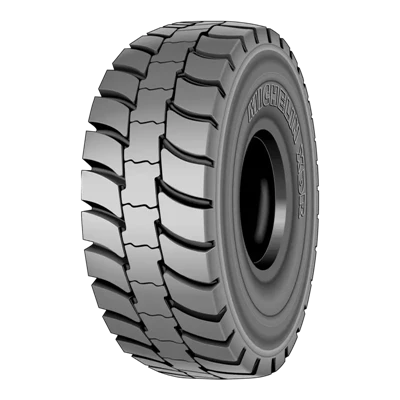
If you’re ready to check if 295/80R22.5 tires are right for your fleet, or if you have more questions about size compatibility, load ratings, or pricing, don’t hesitate to reach out. We work with small owner-operators and large fleets alike, so no order is too big or too small. Whether you’re looking to upgrade your entire rig’s tires or just replace a couple blowouts, we’ve got you covered.
R608 Reference:
- National Highway Traffic Safety Administration (NHTSA). "Heavy-Duty Vehicle Tire Size and Load Capacity Standards." 2022.
- American Trucking Associations (ATA). "Fuel Efficiency Best Practices for Heavy-Duty Fleets." 2023.
- Tire Industry Association (TIA). "Heavy-Duty Radial Tire Size Compatibility Guidelines." 2021.
- Commercial Vehicle Safety Alliance (CVSA). "Tire Load and Width Requirements for Over-the-Road Trucks." 2022.
Maxione Group Co., Ltd.
Maxione Group Co., Ltd. is one of the most professional 295/80r22.5 manufacturers and suppliers in China. We offer a wide range of products with superior quality. We warmly welcome you to buy bulk 295/80r22.5 made in China here from our factory. If you have any enquiry about cooperation, please feel free to email us.
Address: China
E-mail: info@maxione.com
WebSite: https://www.maxionetyre.com/
