If you’ve ever stood in a grocery aisle, grabbed a product, and noticed a tiny, printed note peeled back to reveal extra ingredients, instructions, or regulatory disclosures, that’s multi-layer labels at work. As a multi-layer labels supplier who’s spent the last 12 years walking small business owners and brand managers through exactly what these labels can do—instead of just selling them a roll—I’ve learned that choosing the right one isn’t just about picking something that fits your product’s packaging. It’s about balancing cost, regulatory compliance, end-user experience, and durability, all without overcomplicating your supply chain or alienating your customers. Multi-layer Labels
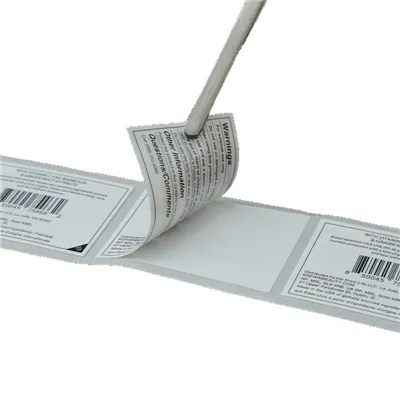
A common mistake I see first-time buyers make is confusing multi-layer labels with regular “sticker on a sticker” labels. Those are just two standard labels stuck together, which peel apart easily when a customer pulls at the top layer. True multi-layer labels (sometimes called “lap-bottom labels” or “peel-and-reveal” labels, depending on the structure) are a single, die-cut material with layers that stay bonded unless the end user intentionally peels back the top layer. The layers are designed to work in harmony, not separately, so they don’t fall apart mid-use, won’t smudge when exposed to grease, water, or sunlight, and meet the specific rules for your industry.
Before you even start looking at technical specs, you need to answer three core questions that will narrow every option down. First, what information do you need to hide in the inner layers? Second, where will your product live (is it a cold-stored yogurt cup, a outdoor gear bag, a pet food bag, or a pharmaceutical bottle)? Third, what’s your budget for material and printing setup? Let’s break each of these down, because they’re not one-size-fits-all.
First, the content of your inner layers. This is non-negotiable, because different content has different requirements for print quality and durability. If you’re a supplement brand hiding a full list of inactive ingredients, you need text that’s sharp enough to meet FDA’s small print rules, and the inner layer can’t smudge even if it gets touched a dozen times in a month. If you’re a toy brand hiding assembly instructions, the inner layer needs to be thick enough to handle repeated handling without tearing, since a kid might fumble with it a few times. If you’re a cosmetics brand hiding disclaimers about patch testing, the inner layer needs to be flexible enough to wrap around a curved jar without cracking. I once had a small craft distiller come to me who wanted a multi-layer label to hide their full list of allergens and regional tax disclosures on a 50ml gin bottle. At first, they tried to use a thin paper inner layer, but when we tested it, the tiny text was too blurry and peeled too easily. We switched to a 40# white gloss vinyl inner layer with a 60# white kraft top layer, and that worked perfectly for their small-batch product, because it kept text sharp and lasted through the 200ml bottle’s storage life.
Second, your product’s environment. This is where most buyers overlook critical details that lead to label failure. Let’s go through common use cases because they’re so specific. If your product is stored in cold environments—like frozen food, ice cream, or cold-chain pharmaceuticals—you need a label that doesn’t get brittle or peel away from packaging when temperatures drop. Standard paper multi-layer labels will crack on a frozen pizza box, leaving the inner layer exposed. Instead, you need a low-temperature resistant material, usually a polypropylene (PP) or vinyl-based stock, that stays flexible down to -20°F or lower. I’ve had a frozen vegetable brand switch from a regular paper multi-layer label to low-temp vinyl after a batch of labels peeled off in store freezers at -10°F; the new labels stayed intact, and they didn’t have to throw away $12,000 worth of product. If your product is exposed to moisture or grease—like cooking oils, condiments, or pet treats—you need a water and oil-resistant top layer, because grease from a bag of chips or a splash of salad dressing will cause standard paper to dissolve or smudge. That means a poly film or coated vinyl top layer, paired with an inner layer that doesn’t bleed ink when wet. For pet treats, we use a matte polypropylene top layer, because it’s scratch-resistant from dogs’ paws, and the inner layer is a 50# uncoated poly that holds up to salmon oil and chicken fat without smudging. If your product is for outdoor use—like hiking gear, sunscreen, or garden tools—you need UV-resistant material, because sunlight will fade ink and break down paper or thin poly in a matter of weeks. We use UV-stabilized vinyl for outdoor products, which keeps text and graphics bright for 2-3 years, even in direct sunlight at 8,000 feet.
Third, your budget and supply chain. Multi-layer labels can cost anywhere from 10 cents per label to 50 cents per label, depending on size, material, and print run, so it’s not a one-cost product. The biggest variable here is print setup and run size. If you’re a small brand doing 10,000 labels for a limited-edition product, you don’t want to spring for a high-volume setup that adds $2,000 to your initial cost. On the other hand, if you’re a mid-sized brand doing 500,000 labels a year, a lower-cost per-unit rate on bulk runs will save you thousands annually. Another supply chain consideration is whether your packaging line can handle the labels. Some multi-layer labels are thicker than standard labels, so if your packaging machine relies on thin, flexible labels, you’ll need a thinner material (usually a 30-40# stock) that won’t jam the machine. I always advise buyers to run a 50-test sample on their line before placing a full order; I’ve had a brand order 20,000 labels that jammed their automated packaging machine, which cost them $1,500 in downtime before we switched to a thinner, compatible stock.
Once you’ve answered those three questions, you can narrow down the type of multi-layer label that’s right for your product. The four most common types, each with specific uses, are: lap-bottom labels, peel-and-reveal labels, spill-out labels, and hinge labels.
Lap-bottom labels are the most common, and what most brands mean when they say “multi-layer label.” They have two layers bonded along the bottom edge of the label, so when a customer peels the top layer up, it folds over like a page in a book, revealing the inner layer. These are perfect for products where you need a moderate amount of extra information—like nutrition facts, ingredient disclosures, or warranty terms. They’re cost-effective, easy to apply, and don’t leave a messy adhesive residue when peeled. For example, a small cereal brand uses lap-bottom labels to hide their full allergen list and recipe modifications, because the folded top layer doesn’t block any of the front packaging graphics.
Peel-and-reveal labels are similar, but the two layers are bonded along the entire edge of the label, not just the bottom. When a customer peels the top layer off completely, they get a full, unobstructed inner layer. These are ideal for products where you need a large amount of information—like product manuals, country-of-origin disclosures, or full regulatory warnings. A baby gear brand uses peel-and-reveal labels to hide assembly instructions and age suitability details, because the full inner layer is easy to read without any folding. The downside is that they leave adhesive residue on the packaging, so you need to use a removable adhesive if you don’t want customers complaining about sticky surfaces.
Spill-out labels are the most underrated type, especially for food and beverage brands. Instead of two layers, they have 3-5 thin layers stacked together, so when a customer peels the top layer, multiple inner layers spill out to reveal extra information. These are great for products like craft beers or specialty sodas, where you can add limited-edition flavor notes, behind-the-scenes brewery stories, or discount codes for repeat purchases. I worked with a small craft brewery last year who used spill-out labels to add a 4-page insert with their hop sourcing stories, which boosted their repeat sales by 12% because customers loved the extra, exclusive content. The only catch is that spill-out labels need to be sized so the inner layers don’t get stuck in the label’s adhesive, so we always test the layer fit before production.
Hinge labels are designed for products where you want the top layer to stay attached, like a small flap. They have a thin hinge bond along one edge, so the top layer flips open instead of peeling off. These are perfect for pharmaceutical products, where you need to keep important warnings or dosage instructions close to the main label, so customers don’t misplace the inner information. A vitamin brand uses hinge labels on their daily supplement bottles, because the dosage instructions stay attached to the main label, so customers don’t have to hunt for the info after peeling it open.
Now, let’s talk about quality control, because even the best-designed label won’t work if it’s poorly manufactured. As a supplier, I never skip three quality checks before sending a label to a customer. First, bond strength: you want the inner layers to stay in place during packaging, storage, and shipping, but not so strong that a customer can’t peel them open with one hand. We test bond strength by pulling the top layer at a 180-degree angle; if it peels off the entire label without tearing, the bond is too weak. If it tears the top layer or the packaging, the bond is too strong. The sweet spot is peeling at a rate of 12 inches per minute, which is easy for customers to use but durable enough for shipping. Second, ink adhesion: if the label’s text or graphics smudge when you rub a damp cloth, that’s a problem, especially for food or outdoor products. We test ink adhesion with a rubbing alcohol wipe; if any ink comes off, we switch to a UV-cured ink that resists moisture and friction. Third, die-cut accuracy: the label’s shape and the peel edge have to be precise, otherwise a customer can’t peel the top layer open evenly. We use a laser die cut for every order, because it’s 0.001 inches accurate, unlike a steel die which can shift over time.
I also want to share a few lessons I’ve learned over the years from brands that got multi-layer labels wrong, so you don’t repeat their mistakes. First, don’t skimp on material to save a few cents. I had a brand that tried to use a 30# paper top layer for their ice cream labels, and within a week, 15% of their labels peeled off in store freezers. They ended up paying twice the cost of the labels to fix the problem, so the few cents saved cost them thousands. Second, don’t forget about adhesive type. Permanent adhesive is great for labels that stay on forever, but if you want customers to peel the top layer off completely, you need a removable adhesive. We once supplied a label with permanent adhesive, and a cosmetics brand ended up with customers complaining about sticky jars, so they had to reprint all their packaging. Third, test with your target customer, not just your team. I had a toy brand that designed a label with a small peel edge, thinking it was easy to open, but kids couldn’t grip it. We added a ¼ inch larger peel edge, and it worked perfectly. Always run a small test with a handful of your customers to make sure the label works for the people who will actually use it.
At the end of the day, multi-layer labels are a tool to make your product stand out, not just a way to hide information. When you choose the right one, you’re not just checking a regulatory box or adding extra space for text—you’re giving customers a small, memorable experience, whether it’s revealing a fun story on a craft soda, keeping important safety info close on a vitamin bottle, or saving space on a small packaging. If you’re still not sure which type is right for your product, I’m here to walk through your needs, answer your questions, and provide a free sample to test on your packaging line.
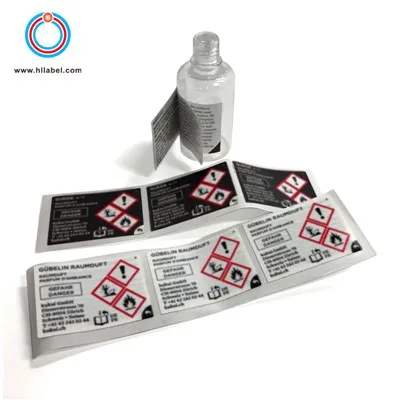
To learn more about multi-layer label options, application, and material specs, feel free to reach out to discuss your specific product requirements.
Foldable Label References:
- Label Industry Association of America. (2022). Multi-Layer Label Best Practices for Packaging Durability.
- FDA. (2021). Labeling Requirements for Food and Dietary Supplements: Small Print and Peelable Label Guidelines.
- International Organization for Standardization. (2020). Standard for Adhesive Bond Strength of Flexible Packaging Materials.
- Packaging Digest. (2023). Trends in Multi-Layer Labeling for Small and Mid-Sized Brands.
Huizhou Huilong Printing Company Limited
As one of the most professional multi-layer labels manufacturers in China, we have world-leading production equipment and strong manufacturing capabilities. Please feel free to buy bulk multi-layer labels in stock here from our factory. Also, pricelist is available.
Address: Xin’er Group, Xiamazhuang, Huicheng District, Huizhou City, Guangdong Province
E-mail: huilong278@163.com
WebSite: https://www.huilonglable.com/
