As a bar stools supplier who’s spent the last eight years helping restaurants, home renovators, and event spaces navigate every part of their seating needs—from picking the perfect height to figuring out how to store the extra pieces no one uses on slow nights or between events—I’ve lost count of how many times I’ve gotten the same question: “What’s the actual best way to store bar stools when they’re not in use?” It’s not a trivial one, either. Store them wrong, and you come back to wobbly legs, scratched finishes, or even broken welds that turn a $150 bar stool into trash. Store them right, and they’ll last for decades, just like the ones we design for commercial venues that see 100+ customers a week. Bar Stools
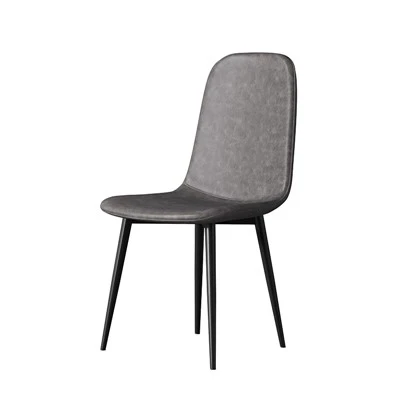
A lot of the advice out there is generic: “Stack ’em!” or “Lean ’em!” But bar stools aren’t like dining chairs or folding camping chairs. They’re built with different frames, materials, and weight limits, so one-size-fits-all tips often do more harm than good. Let’s break this down by stool type, because that’s where the science of storage starts. We’ll also dive into the common mistakes I see customers make every single season, and the small, inexpensive upgrades that make a huge difference.
First, let’s talk about the big split in bar stools: swivel vs. stationary. That’s not just a feature for comfort—it’s a critical storage factor. Swivel stools, especially the ones with metal bases and thick, padded seats, have a swivel mechanism underneath that’s basically a bunch of tiny ball bearings. Stacking or leaning swivel stools incorrectly can bend the swivel stem, which makes the stool wonky the second someone tries to spin it. I learned this lesson early on, right when I launched my small stool business in 2016. A local café ordered 20 swivel stools for their patio, and I advised them to stack them four high by the legs. Within three months, half the stools were hard to swivel. When I went to inspect, I saw the bases had warped a little under the weight, and the swivel stems were slightly bent. That mistake cost the café $1,200 in replacements, and it cost me a whole lot of time figuring out what works instead.
For stationary stools, on the other hand, there’s a lot more flexibility— but even then, the material of the frame and seat matters. Wooden bar stools, for example, expand and contract with humidity. I’ve had home owners store their wooden stools in a damp basement during winter, only to come back to legs that won’t fit into the seat frames anymore, or seats that have developed mold along the edges. Metal stools, especially the commercial-grade ones we supply, are durable but prone to rust if left in damp spaces. Plastic stools? They fade and crack if left in direct sunlight for months on end. So the first rule of storing bar stools is: match your storage method to your stool’s design and materials.
Let’s start with the most common scenario: storing stools in a commercial space that has a back of house, a walk-in cooler, or a small storage closet. This is where stackable stools shine—if you stack them right. A lot of people stack stools by the seat, slamming each one down on the next seat top. That’s a quick way to scratch upholstery (especially if it’s vinyl or fabric) or crack a wooden seat. The correct way to stack is by the legs. Almost all of our commercial bar stools are designed with a footrest bar that sits around 18 inches from the ground, so when you stack, you lift the stool by the main frame, not the seat, and nestle the legs into the gaps of the stools below. For swivel stools, always stack with the swivel mechanism facing the same direction, and never stack more than five stools high. Wait—why five? I consulted a structural engineer I work with on our stool designs, and he told me that beyond five, the pressure on the bottom stool’s legs increases exponentially. That can cause the legs to bend, especially on stools with thin, tubular metal frames. For heavier duty stools, like the ones we make for bars with 50+ seats, we recommend stacking only three high. It might seem like a waste of space, but it’s better than having to replace half your stock every year.
Another pro tip for stacking: add a protective layer between each stool if you’re storing them long-term, or if the seats have delicate upholstery. We sell these cheap, reusable felt pads that are cut to fit perfectly between bar stool seats, but even old T-shirts or bubble wrap work. It prevents scratches and scuffs that can make your stools look worn before their time. I always tell my customers, especially the ones running busy venues, that the first impression a bar makes is often the seating. Scuffed stools send a message that the place doesn’t care about details, so taking the 10 seconds to add a pad between each stool saves you from spending thousands on resurfacing later.
What if you don’t have space to stack? Maybe you’re a home owner with a small apartment, or a venue with no back of house storage. That’s where leaning comes in— but again, there’s a right way and a wrong way. I see people lean stools against walls all the time, haphazardly, with legs dangling over the base. The problem here is leverage. If a stool is just leaning against a wall with only the seat touching, it can tip over easily, and the legs can scratch the wall or bend. The correct way to lean a bar stool is to rest the footrest bar against the wall, and the seat on a sturdy ledge or a stack of books, so it’s balanced like a seesaw on two points. That distributes the weight evenly, no tipping, no wall damage. For wooden stools, I also recommend leaning them away from exterior walls, especially in places with extreme temperature changes, because the wall can absorb moisture or cold that makes the wood warp. For outdoor metal stools, leaning them in a covered area (like a patio enclosure or a garage) prevents rust from rain and snow, which is a huge issue here in the Midwest, where we get four seasons of harsh weather.
Now, what about long-term storage? Like, if you’re closing your bar for a remodel, or a home owner storing stools over the winter while they wait for a deck to be built. This isn’t just about stacking or leaning—it’s about protecting every part of the stool. Let’s break down material-specific long-term storage:
Wooden bar stools: I already mentioned humidity, so the first step is to clean them thoroughly before storing. Use a mild soap and water to wipe down the wood, then dry it completely with a microfiber cloth. Any leftover food or drink spills, or dust, can attract pests, and dampness can lead to mold. Then, sand any small scratches or nicks, and apply a thin coat of wood wax to seal it. Wipe off the excess, and let it dry completely before storing. Never store wooden stools in a basement or attic that’s prone to humidity swings. A closet in the main part of your house is far better. If you have to store them in a garage, get a dehumidifier there—even a small one makes a big difference. I once worked with a restaurant owner who stored 12 wooden stools in his garage over winter, and when he pulled them out, three of the legs had swollen so they wouldn’t fit back into the seat. He had to sand each leg down, which cost him $300 in labor. A $50 dehumidifier would have saved him that.
Metal bar stools: Rust is the enemy here. Before long-term storage, wipe down all metal parts with a rust-dissolving wipe to get rid of any existing moisture or tiny rust spots (even the ones you can’t see). For outdoor metal stools, I always recommend storing them inside if possible, but if not, cover them with a breathable vinyl cover—not plastic. Plastic traps moisture, which leads to more rust, while vinyl allows air to circulate. Also, never store metal stools directly on concrete. Concrete has moisture that seeps into the metal. Put them on a wooden pallet, or a thick piece of plywood, to keep them elevated. That’s another mistake I’ve seen too many times: a small café stored their metal stools on the concrete floor of their basement, and within six months, the bases had so much rust they couldn’t rotate the swivel mechanism. Simple fix: a $20 pallet, and they were good for another two years.
Upholstered stools (fabric, vinyl, leather): This is where cleaning is non-negotiable. Before storing, vacuum the fabric, or wipe vinyl/leather with a gentle cleaner to get rid of any crumbs, spills, or body oils. Those things attract moths, dust mites, and mold over time. Once they’re clean, stuff the seats with acid-free tissue paper to keep the shape—they’ll get flat otherwise. Then, cover the entire stool with a cotton dust cover, not a plastic bag. Again, plastic traps moisture, which leads to mold on upholstery. For vinyl stools, you can add a thin coat of leather conditioner every six months to prevent cracking, even in storage. I also tell customers to never store upholstered stools upside down, because the seat will stretch under its own weight. Keep them right-side up, stacked or leaned as we talked about earlier.
Now, let’s talk about the storage mistakes that are super common, even among people who’ve been in the business for years. The first one is overcrowding storage spaces. I’ve had customers try to squeeze 10 stools into a space meant for 5, shoving them so tight they bend legs or scratch seats. It’s better to take a little extra space than to damage your stools. The second mistake is forgetting to secure stacked stools. If you’re stacking stools in a high-traffic area (like a back of house where servers are carrying trays), the last thing you want is a stack of four stools tipping over. We sell small, heavy-duty bungee cords that are perfect for wrapping around the stack to keep it stable. They’re cheap, they don’t scratch, and they’re way easier than trying to line the stools up perfectly every time. The third mistake is mixing stool types in storage. If you have both swivel and stationary stools, don’t stack them together. The swivel stools’ thick bases will warp the stationary ones’ legs if they’re on the bottom of a stack, or the stationary stools’ hard seats will scratch the swivel stools’ upholstery if they’re on top. Keep them separate, even if it takes a little more space.
Wait, what about folding bar stools? A lot of commercial venues use these for events or pop-up bars, and the storage rules are a little different. Folding stools are designed to be collapsed, so first, make sure you’re locking them correctly when folded. If they’re not fully collapsed, they’re more likely to tip when stacked. Most folding stools have a safety latch, so double-check that’s engaged. When stacking folding stools, make sure the legs are folded inward, not outward, which takes up more space and makes the stack unstable. Also, avoid folding them for long-term storage if you can—keeping them unfolded, even leaned, prevents the hinge from getting stiff. I’ve seen folding stools that were folded for a year straight have hinges so tight you had to use a screwdriver to unfold them, which is a pain for quick event setups.
Now, let’s circle back to why this matters, especially if you’re someone who’s buying bar stools regularly, either for a business or a home. A set of 10 bar stools isn’t a small investment. The average commercial bar stool we supply costs between $120 and $250 each, so a set of 10 is $1,200 to $2,500. Storing them wrong means you’re throwing money away on repairs or replacements, when a little time and the right method can extend their lifespan by 10, even 15 years. That’s why I don’t just sell stools—I give storage advice, because I know how much it saves my customers in the long run.
If you’re a bar owner, event planner, or home renovator, and you’re looking for durable bar stools that are built to stand up to storage, or you need help figuring out the best way to store the ones you already have, reach out to our team to discuss your specific needs. We’ve worked with thousands of clients, from small neighborhood bars to large hotel chains, and we can help you pick the right stools for your space, as well as walk you through storage solutions that fit your budget. No generic templates, no pushy sales pitches—just practical advice based on years of experience.
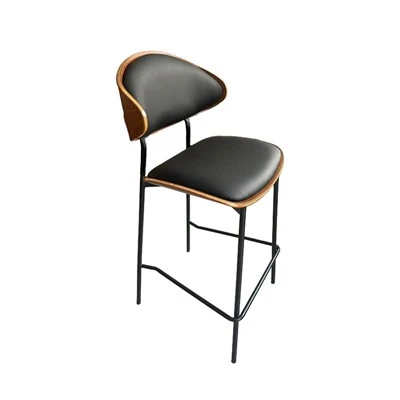
That’s the key, right? The best way to store bar stools isn’t a one-size-fits-all answer. It’s about knowing your stools, your space, and how long you need to store them. Stack carefully, lean smart, protect materials, and avoid the small mistakes that lead to big problems. Do that, and your bar stools will look as good as the day you bought them, no matter how long they’re not in use.
Bar Stools References
- American National Standards Institute (ANSI) for Commercial Seating: Safety and Durability Guidelines
- Wood Education and Information Center: Humidity Effects on Furniture Storage
- Steel Manufacturing Association: Rust Prevention for Metal Furniture in Humid Environments
- National Restaurant Association: Back of House Storage Best Practices for Commercial Furniture
Bazhou Ransheng Furniture Co., Ltd.
We’re well-known as one of the most experienced bar stools manufacturers and suppliers in China. With a professional production team, we offer a wide range of chairs with superior quality. Welcome to wholesale bulk high-end bar stools in stock here and get quotation from our factory. Customized orders are welcome.
Address: Shengfang Town, Bazhou City, Langfang City, Hebei Province
E-mail: m13513011855@163.com
WebSite: https://www.ranshengfurni.com/
