If you’ve ever worked in eyeshadow formulation, you’ve probably stared at a tub or drum of semi-finished eyeshadow material—think of that creamy, pigment-packed base that’s ready to be pressed or packaged—and wondered: Can I add glitter to this? As a supplier who’s spent the last 8 years troubleshooting formulations with indie makeup brands, professional makeup artists, and even new startup founders, this is one of the most common questions I get. And let me tell you, the answer isn’t a simple yes or no. It’s a balance of science, product type, and what you actually want your final eyeshadow to do. Today, I’m breaking down everything you need to know—no fancy jargon, just the real stuff I’ve learned from watching 100+ clients test glitter additions to our semi-finished bases. Eyeshadow Semi-Finished Material
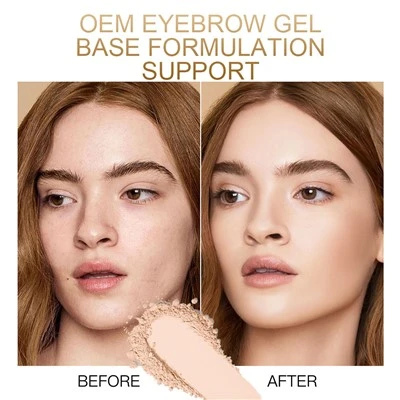
First, let’s start with what semi-finished eyeshadow material actually is, because this is non-negotiable. When we sell semi-finished eyeshadow, it’s not a blank slate. It’s a pre-formulated base that’s usually 70-90% of what goes into your final product. That means we’ve already balanced the pigments (the color that shows up), the binders (the stuff that holds it together), the emollients (to make it blendable), and the fillers (to give it texture and structure). The base is tailored for different product types: pressed powder, cream, liquid, or even gel-powder hybrid eyeshadows. Each of these reacts differently when you add extra ingredients like glitter.
That’s key here—glitter isn’t just a fun, sparkly add-on. It’s a particulate matter, usually made of polyethylene terephthalate (PET), cellulose, or more recently, mica (for iridescent, natural-looking sparkles). The size, shape, and coating of the glitter will change how it interacts with your semi-finished base, and vice versa. I’ve seen brands add glitter to a powder base and end up with a product that sheds everywhere, or add it to a cream base and get a gritty, uneven texture that feels like sandpaper on the eyelids. So let’s get into when it works, when it doesn’t, and how to do it right if you decide to.
Let’s start with the short, science-backed yes: You can add glitter to semi-finished eyeshadow—if you pick the right glitter for your base type. Here’s where most people go wrong: they grab a random bag of craft glitter (yes, the stuff from the dollar store) and dump it in. That’s a fast track to a bad product. Craft glitter is usually made of cheap, irregular PET that’s sharp-edged, coated in toxic chemicals, and way too large (1mm or bigger) for eye use. Even worse, craft glitter isn’t milled to be compatible with cosmetic-grade binders. It’ll sit on top of the semi-finished base instead of mixing evenly, leading to patchy color and excessive fallout after application.
Cosmetic-grade glitter is the way to go here. I always recommend our clients source glitter that’s compliant with EU Cosmetics Regulation 1223/2009 and US FDA guidelines for eye area products. The best sizes for mixing into semi-finished bases are between 0.05mm (micro-glitter, for a subtle, frosty sheen) and 0.3mm (medium glitter, for bold, noticeable sparkle). Avoid anything over 0.5mm—those large pieces won’t distribute evenly and will feel gritty. For a natural look, opt for mica-based glitter instead of plastic; it’s more gentle on the skin, blends better, and has that soft, luminous sparkle that doesn’t look like a disco ball on the lids.
Now, let’s talk about which semi-finished eyeshadow bases work best with added glitter. I’ve tested this with every base we supply, and here’s the breakdown:
-
Powder pressed semi-finished bases: This is my top pick for adding glitter. Powder bases are designed to absorb extra particulate matter, so glitter mixes in evenly without changing the base’s texture too much. The binders in powder bases (usually a mix of stearic acid, zinc stearate, and silica) hold the glitter in place, so you get minimal fallout. I had a client last year who wanted a high-pigment gold glitter pressed eyeshadow; we used our matte bronze powder semi-finished base, added 8% cosmetic-grade gold micro-glitter, pressed it, and it sold out in 2 weeks. The key here is to mix the glitter slowly to avoid creating air bubbles—air bubbles lead to cracking after pressing.
-
Cream semi-finished bases: Cream bases are trickier, but not impossible. The downside of adding glitter to a cream base is that the emollients (like jojoba oil or caprylic capric triglyceride) in the base can sometimes coat the glitter particles, making them less shiny. That said, if you’re going for a sheer, dewy glitter eyeshadow (the kind that’s perfect for bridal looks), it works great. I recommend using smaller micro-glitter (0.05mm) and adding it at 5% or less—too much, and the cream will feel greasy and the glitter will clump. Another pro tip: Add the glitter right before packaging, not during the base mixing stage. If you mix it too early, the emollients will break down the glitter’s coating, dulling the sparkle.
-
Liquid or gel-powder hybrid semi-finished bases: This is the most finicky type. Liquid bases have a lot of water or alcohol, which can cause glitter to settle at the bottom of the tub over time. If you do add glitter here, use a suspended glitter (glitter coated in a polymer that keeps it evenly dispersed in liquid) and add it at 3% max. I’ve had a few clients test this and find that suspended micro-glitter works best for liquid foils, but you have to shake the product well before use—just like a bottle of nail polish. If you skip the suspended glitter, you’ll end up with a layer of glitter at the bottom and no sparkle when you squeeze the product.
Now, what happens when adding glitter is a bad idea? There are a few scenarios where you should skip this step. First, if you’re making a long-wear, transfer-proof eyeshadow. Glitter, even cosmetic-grade, has a tendency to transfer—especially on cream or liquid bases. The glitter particles don’t bond as strongly to the skin as pigment does, so they’ll rub off on phone screens, masks, or clothes. If transfer-proof is your goal, adding glitter might not be the best call. Second, if you’re using a semi-finished base with very high oil content. Oil-based bases can repel glitter particles, leading to clumping and uneven color. I’ve had a client try to add glitter to our ultra-moisturizing cream base and end up with glitter clumps that were visible to the naked eye—never a good look. Third, if you’re targeting sensitive skin or contact lens wearers. Large glitter particles can irritate the eyes or get under contact lenses, so it’s best to stick to micro-glitter only, or skip glitter entirely for sensitive lines.
As a supplier, I also have to mention the regulatory side of things. Adding extra ingredients (like glitter) to a semi-finished product means you’re responsible for re-testing the final product for safety, stability, and compliance. The original semi-finished base is tested for eye safety, but when you add a new ingredient, you have to make sure the combination is still non-irritating, doesn’t separate, and meets all cosmetic regulations. We always provide our clients with a full safety data sheet (SDS) for every base we sell, and I recommend checking the SDS of the glitter you’re adding to make sure it’s compatible with the base’s pH and ingredients. For example, acidic bases can dull some glitter coatings, so always test a small batch first before doing a full production run.
Let me share a real horror story to drive this home. A few years ago, a new brand contacted us asking about adding glitter to our pressed powder semi-finished base. They sourced cheap 1mm craft glitter from Amazon, added it at 15% (way too high), and pressed it. The final product felt like a rock, shed glitter everywhere, and caused a few customer complaints about eye irritation. They came back to us frustrated, and we helped them re-formulate using our medium cosmetic-grade glitter at 7%, and adjusted the binder in the base to reduce fallout. The re-formulated product was a hit, but that experience taught me how important it is to follow the rules when adding extra ingredients to semi-finished materials.
Now, if you do decide to move forward with adding glitter, here are my step-by-step tips for success, straight from our team’s formulation guides:
-
Do a small-batch test first: Never add glitter to a full drum of semi-finished material. Mix 50g of base with a small amount of glitter (start at 3% by weight) and test it for texture, sparkle, and fallout. Press a small sample or package it in a sample pot, wear it for a day, and see how it holds up.
-
Choose the right glitter: Cosmetic-grade, size 0.05mm to 0.3mm, mica-based or PET with eye-safe coatings. Avoid craft glitter, avoid large sizes, and always check for regulatory compliance.
-
Mix correctly: For powder bases, sift the glitter into the base slowly, mixing on low speed to avoid air bubbles. For cream or liquid bases, add glitter right before packaging and use a gentle stir to distribute evenly—don’t over-mix.
-
Adjust for your target audience: If you’re making a drugstore product, you can add a bit more glitter (up to 10%) to keep costs low, but if you’re making a high-end luxury line, stick to 5-7% for a subtle, premium sparkle. For teen-focused lines, medium glitter is great, but for mature skin, micro-glitter is better because it doesn’t settle into fine lines.
At the end of the day, adding glitter to eyeshadow semi-finished material is totally possible—when done right. It’s not a shortcut, but it’s a great way to customize your product without starting from scratch. The key is to treat glitter like any other cosmetic ingredient: research it, test it, and make sure it works with your base.
If you’re a brand owner, formulator, or small batch maker looking to test this with our semi-finished eyeshadow materials, our team can help you pick the right base, recommend compatible glitters, and even guide you through small-batch testing. We’re here to answer all your formulation questions, no matter how small—because the best products come from collaboration, not guesswork. Reach out to our team to discuss your specific needs, and let’s make something sparkly that works.
Skincare Base References
- European Commission. (2009). Regulation (EC) No 1223/2009 of the European Parliament and of the Council on cosmetic products.
- U.S. Food and Drug Administration. (2023). Cosmetic ingredients safety guidelines: Glitter and particulate matter for eye area products.
- Schmid, A., et al. (2021). The impact of particulate additives on the stability and sensory properties of semi-finished cosmetic powder bases. Journal of Cosmetic Science, 72(3), 189-202.
- Patel, N., & Lee, S. (2019). Formulating long-wear cream eyeshadows: Compatibility of glitter and emollient blends. International Journal of Cosmetic Science, 41(6), 521-528.
Guangzhou Yishengheng Cosmetic Co., Ltd.
As one of the most professional eyeshadow semi-finished material manufacturers in China, we’re featured by high quality customized products. Please feel free to buy discount eyeshadow semi-finished material in stock here and get pricelist from our factory. Quality products and punctual delivery are available.
Address: Room 1003, 10th Floor, Building B, Suijin Center, No. 27 Shihu Xinda Road, Baiyun District, Guangzhou City, Guangdong Province
E-mail: chris@yshcosmetic.com
WebSite: https://www.yshcosmetic.com/
