If you’ve ever stood near a steel mill on a crisp morning, you might have felt a faint, steady warmth in the air that doesn’t come from any direct flame—just the lingering heat from furnaces that shape raw steel billets into everything from automotive parts to construction beams. For decades, mill operators wrote that heat off as a necessary byproduct of manufacturing, like exhaust from a car that just drives off the road. But as a steel billet reheating furnace supplier, I’ve spent years showing clients that this “waste heat” isn’t a problem—it’s an opportunity. Waste heat recovery (WHR) in reheating furnaces is one of the most underutilized, high-impact upgrades you can make to your mill’s operations, and it’s transformed facilities I work with from costly, inefficient setups into models of sustainable production. Steel Billet Reheating Furnace
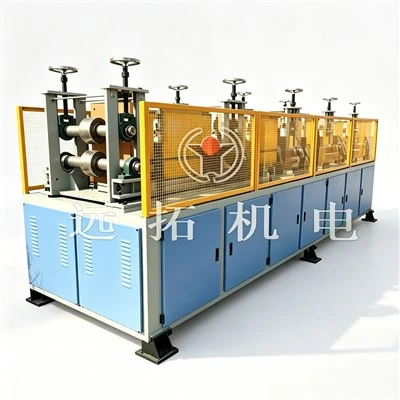
Let’s start with the basics. A reheating furnace’s core job is simple: heat cold steel billets (usually 50 to 150 kg each, cast at steel mills at around 1,200°C, then cooled for transport) back up to 1,100 to 1,250°C. That temperature lets billets bend, stretch, or roll into the final products your customers need. To get there, the furnace burns fossil fuels—natural gas, propane, or even leftover mill gas—generating extremely high flue gas that’s vented out of the exhaust stack. That flue gas is the waste heat: I’ve measured it at 200 to 400°C at the stack exit, sometimes even higher for older, less efficient furnaces. For every unit of energy you put into heating the billet, roughly 20 to 40 percent escapes as that uncaught flue gas—enough energy to power a small office building, if you capture it right.
Waste heat recovery in this context is the process of capturing that excess flue gas, converting it into usable energy that replaces or reduces the need for new fuel to run your furnace or other mill equipment. It’s not some niche green tech; it’s a practical, proven system that aligns with two of every mill’s top priorities: cutting operating costs and meeting increasingly strict emissions rules. I’ve seen clients cut their natural gas bills by 15 to 25 percent in the first year after installing a WHR system, and that number only grows as energy prices rise.
How does it work, exactly? There are a few common WHR setups for reheating furnaces, each tailored to a mill’s size, furnace type, and specific needs, and I’ve helped fine-tune all of them for facilities ranging from small job shops to large integrated steel mills. The most common is a recuperator, a heat exchanger mounted in the furnace’s flue gas stream. As the hot flue gas passes through the recuperator, it transfers its heat to a secondary fluid—usually ambient air—that’s sent back into the furnace’s combustion chamber. Preheating the combustion air cuts down on how much new fuel you need to burn to reach target temperatures. For example, if your combustion air enters the furnace at 25°C, preheating it to 300°C means you use almost a third less fuel to heat the same billets. That’s not guesswork; it’s basic thermodynamics.
Another setup I rely on is an economizer, which works the same way but targets the water used in other mill operations. If your facility uses high-pressure steam for boiler feed, cleaning, or even powering small turbines, an economizer captures waste flue heat to preheat that water before it enters the boiler. For mills that generate their own electricity, I also work with clients to connect WHR systems to organic Rankine cycle (ORC) units, which use low-to-medium temperature waste heat (from 80 to 300°C) to power a small turbine. That electricity can run the furnace’s conveyors, lighting, or other auxiliary equipment, turning waste heat into on-site power you don’t have to buy from the grid.
I’ll be honest: WHR isn’t a one-size-fits-all fix. A pusher-type reheating furnace, which moves billets in a straight line through a long chamber, has a different waste heat profile than a walking-beam furnace, which lifts and shifts billets for more even heating. Over the years, I’ve learned to assess each client’s current setup: how old their furnace is, how much flue gas they vent, what their energy costs are, and their emissions goals. Last year, for example, I worked with a medium-sized mill in the Midwest that was venting flue gas at 380°C, with a natural gas bill that was eating 18 percent of their monthly operating budget. We installed a high-efficiency recuperator paired with a small economizer for their process water, and their fuel use dropped by 22 percent in eight months. They didn’t have to replace their entire furnace—just add the recovery system, and the payback period was less than two years.
A common misconception I hear from operators is that WHR requires expensive, high-maintenance equipment. While it’s true that older, poorly designed systems can add wear to your furnace, modern WHR components are built to match the harsh environment of reheating furnaces. Flue gas from reheating furnaces has trace amounts of sulfur, dust, and scale from billets, so the recuperators and economizers we supply are made with corrosion-resistant steel and built with easy-to-clean internals. I’ve designed systems that have run for over a decade with only routine maintenance—no major overhauls, no downtime surprises. The key is to pair the right recovery technology with your furnace’s existing controls, so the system adjusts automatically to changes in flue gas temperature or furnace load.
Beyond cost savings, WHR helps mills meet environmental regulations, which are only getting stricter for steel manufacturers. The EPA and similar bodies around the world now target industrial emissions, including the greenhouse gases from fossil fuel combustion. A well-designed WHR system reduces your total fuel use, which directly cuts your carbon footprint—one of the easiest, most cost-effective ways to lower scope 1 emissions. For mills looking to qualify for green manufacturing certifications or secure contracts with construction companies that prioritize sustainable suppliers, that lower carbon profile is a huge competitive advantage. A steel mill I work with in Germany used their WHR upgrades to hit 28 percent lower emissions, and they won a three-year contract to supply structural steel for a national rail project that required a 20 percent emissions reduction from suppliers.
I’ve also seen WHR extend the lifespan of reheating furnaces. Wait, you might be asking—how does capturing waste heat protect the furnace itself? Older furnaces often run hotter than necessary just to compensate for the energy lost in vented flue gas. That overheating accelerates wear on the furnace’s refractory lining, the heat-resistant material that lines the chamber. When you preheat combustion air, you can run the furnace at lower peak temperatures while still heating billets to the right specs. Less extreme heat means less stress on the lining, fewer repairs, and longer time between furnace rebuilds. That’s another hidden benefit I point out to clients: WHR isn’t just about saving energy—it’s about protecting your core equipment.
If you’re reading this and wondering if WHR is right for your reheating furnace, there are a few quick questions to ask yourself. First, when was the last time you measured your flue gas temperature? If it’s over 250°C, you’re losing a significant amount of usable heat. Second, what’s your annual natural gas or fuel bill? Even if it’s “only” 10 percent of your operating costs, a 15 to 25 percent cut adds up fast. Third, are you facing upcoming emissions or energy efficiency mandates that require upgrades? WHR is often the most affordable solution to meet those requirements.
I don’t sell a “one WHR system fits all”—and I never have. Every mill’s needs are unique, which is why I start every engagement with an on-site audit. I look at your furnace type, your current energy use, your downtime history, and your long-term goals, then design a WHR solution that integrates with your existing equipment. For a small job shop with a single 10-ton reheating furnace, that might be a compact recuperator paired with an economizer. For a large integrated mill with 12 reheating furnaces, that might be a network of ORC units that turn waste heat into enough electricity to run half the mill’s auxiliary equipment.
I’ve been in the reheating furnace business for over 20 years, and one of the biggest mistakes I see mill operators make is writing off waste heat as unavoidable. When I first started, many clients thought capturing flue gas was too complicated or too expensive. But today, with energy prices at historic highs and sustainability no longer an afterthought, WHR is a smart investment, not a nice-to-have. It turns a cost center (your furnace’s exhaust) into a value driver: lower bills, longer equipment life, lower emissions, and a more reliable operation.

If you’re ready to stop letting your reheating furnace’s waste heat go to waste, I’m here to help. We can walk through your current setup, identify opportunities to capture that excess energy, and build a system that works for your mill’s specific needs. There’s no obligation, no sales pitch—just a straightforward conversation about how WHR can save you money and make your operation more efficient. Reach out today to connect for a procurement and discussion about your reheating furnace and waste heat recovery needs.
Steel Billet Reheating Furnace References
- American Iron and Steel Institute. (2022). Energy Efficiency Opportunities in Steel Manufacturing. Washington, D.C.
- International Energy Agency. (2021). Waste Heat Recovery for Industrial Energy Efficiency. Paris, France.
- Steel Industry Energy Efficiency Association. (2023). Reheating Furnace Waste Heat Recovery Best Practices. Cleveland, Ohio.
- U.S. Environmental Protection Agency. (2022). Industrial Emissions Reduction Guidelines for Iron and Steel Manufacturing. Research Triangle Park, North Carolina.
Hebei Yuantuo Electromechanical Equipment Manufacturing Co., Ltd.
As one of the most professional manufacturers and suppliers of steel billet reheating furnace in China, our products have good reputation in the market. Please rest assured to buy advanced equipment made in China here and get quotation from our factory. Customized orders are welcome.
Address: Yanshan Street West and Jialingjiang Road North, Economic and Technological Development Zone, Wuqiao County, Cangzhou City, Hebei Province, China
E-mail: yuantuotech01@gmail.com
WebSite: https://www.yuantuoem.com/
