If you’re in the market for industrial equipment—or just curious about the quiet workhorses that shape so many of the products you interact with daily—you’ve probably wondered, “What industries use lime kilns?” As a lime kiln supplier with decades of on-the-ground experience talking to plant managers, engineers, and sustainability teams, I can tell you these aren’t just big metal drums spinning in a corner of a factory. They’re precision systems that turn limestone into quicklime (calcium oxide) or hydrated lime (calcium hydroxide), and their output is non-negotiable for sectors spanning construction, environmental management, agriculture, and more. Lime Kiln
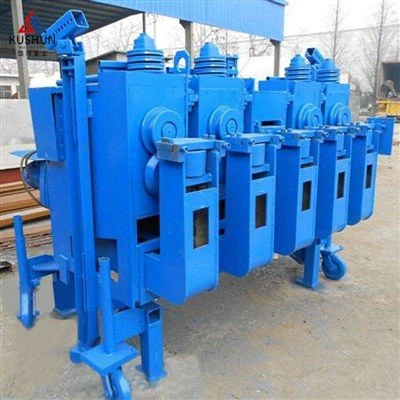
I still remember the first time a customer asked me, “Why does my mining operation need a lime kiln, anyway?” That question stuck with me because it underscores a common misconception: lime kilns aren’t just for “lime producers” anymore. They’re tailored to the unique needs of each industry, with designs that adjust temperature, fuel type, and output quality to match specific applications. Let’s break down the key sectors that rely on lime kilns, and how their needs shape the equipment we build every day.
Construction: The Backbone of Infrastructure That You See Every Day
If you’ve driven a new highway, walked on a concrete sidewalk, or stood in a modern office building, you’ve used products made with lime kiln output. In construction, lime (specifically quicklime) is a core ingredient in Portland cement, mortar, and asphalt, and not just as a filler—it plays a critical chemical role. Quicklime reacts with water and silica or alumina in cement clinker to form calcium silicate hydrates, the compounds that give concrete its strength and durability. Without those compounds, concrete would crumble within a few years, not last 50 or 100 years as designed.
I worked with a cement plant in the Midwest a few years back that was running an outdated vertical lime kiln, and they were struggling with inconsistent lime quality. Their clinker production was off by 12% some months, which led to rejected batches and thousands in lost revenue. We designed a horizontal rotary lime kiln with precise temperature controls and preheater technology tailored to their limestone feedstock—within three months, their lime purity jumped to 92%, and their clinker waste dropped by almost a fifth. That’s the kind of impact a kiln that’s matched to an industry’s needs can make.
Another big construction use is lime-stabilized soil. When building roads or foundations on soft, clay-heavy soil, adding quicklime flocculates clay particles, reducing plasticity and increasing load-bearing strength. Civil engineering crews tell me this cuts down on foundation repair costs by up to 40% in regions with expansive soil.
Environmental Management: Cleaning Our Air and Water
This is the sector that surprises most first-time visitors to our fabrication yard. Lime kilns are critical for two of the biggest environmental challenges: flue gas desulfurization (FGD) for power plants and industrial emissions, and water and wastewater treatment.
For power plants burning coal or other fossil fuels, sulfur dioxide (SO₂) is a toxic pollutant that causes acid rain and respiratory harm. FGD systems use hydrated lime (made by slaking quicklime from lime kilns) to react with SO₂, forming calcium sulfite that can be captured and disposed of safely. We recently built a small-scale modular lime kiln for a municipal power plant in Canada that couldn’t justify the cost of a large, custom unit—their emissions dropped 95% within a year, and they passed all regulatory audits without issue.
In water treatment, lime is a workhorse for softening hard water (removing calcium and magnesium ions that cause scale in pipes and appliances) and removing heavy metals like lead and arsenic. Many small rural water districts don’t have access to commercial lime supplies, so they run their own small lime kilns to produce on-site hydrated lime. I love working with these teams because their work directly impacts communities—when a small town told me their well water had unsafe arsenic levels, we worked with them to size a kiln that matches their daily water treatment needs, and within six months, their arsenic levels were below EPA limits.
Municipal solid waste incineration is another big environmental use. Incinerators produce acidic flue gas, and lime from lime kilns neutralizes those acids, preventing them from escaping into the atmosphere. We’ve also seen lime kilns used to treat sewage sludge: incinerating sludge with lime reduces its volume by 70% and kills pathogens, turning waste into a safe, soil-amending product.
Agriculture: Feeding the Global Population, One Lime Kiln at a Time
Agriculture is one of the oldest industries to use lime kilns—recorded use of limestone to amend soil dates back thousands of years, but modern lime kilns make that process far more efficient. Soil acidity (low pH) stunts crop growth, prevents nutrient absorption, and can reduce yields by 50% or more in severe cases. Agricultural lime, made by calcining soft limestone in lime kilns, raises soil pH and adds calcium and magnesium, two nutrients critical for plant growth.
I once visited a family farm in Iowa that was struggling with corn yields dropping 15% annually because their soil was too acidic. They were applying raw limestone directly to fields, but it took two years to break down and show results. We installed a small rotary lime kiln just for their farm—small enough to run on propane, which is cheaper than hauling commercial lime to their remote location. Within a year, their soil pH normalized, their corn yields jumped back to previous levels, and they saved $12,000 a year in transportation costs. That’s the kind of impact a tailored kiln can have for small, family-owned operations, not just large agribusinesses.
Beyond soil amendment, lime from lime kilns is used in livestock feed: it’s a source of calcium for poultry and cattle, and it helps prevent bloat in ruminant animals. It’s also used to sanitize livestock facilities, reducing the spread of disease. I recently talked to a pork producer in Illinois who uses a kiln to make his own feed-grade lime, cutting out the middleman and ensuring his animals get a consistent, high-quality calcium source.
Mining and Metallurgy: Separating Ore from Waste
The mining and metallurgy sectors rely on lime kilns for two core processes: ore beneficiation and smelting. When mining ores like copper, gold, or iron, ore is mixed with water and chemicals to separate valuable minerals from gangue (waste rock). Lime is added to adjust the pH of this slurry, which helps chemicals bind to the target minerals, making separation easier. Without consistent lime from a lime kiln, this separation process is inefficient, wasting ore and increasing costs.
For iron ore processing, lime is used to produce flux for blast furnaces. In steel production, limestone is calcined in lime kilns to make quicklime, which acts as a flux to remove impurities like silica and phosphorus from iron ore during smelting. I worked with a steel mill in Pennsylvania a few years back that was using a vertical kiln for their flux lime, but their quicklime had high levels of residual carbon, which was contaminating their steel. We swapped in a horizontal kiln with a longer retention time, which burned off the carbon completely—their steel purity increased by 3%, and they reduced their waste slag by 10% annually.
Gold mining, specifically heap leaching, also uses lime from lime kilns. Cyanide is used to extract gold from ore, but cyanide is only effective in a specific pH range (around 10.5). Lime is added to maintain that pH, preventing cyanide from reacting with other minerals and becoming toxic. That’s a critical balance: too little lime, and gold extraction drops; too much lime, and you waste lime and disrupt the process. We’ve designed custom kilns for gold mines that produce lime with a very high reactivity, which means they use less lime to achieve the same pH level—cutting operational costs and reducing environmental impact.
Chemical Manufacturing: Building Blocks for Everyday Products
The chemical industry is a major consumer of lime kiln output, using lime as a feedstock for dozens of products, from paper and plastics to pharmaceuticals and fertilizers. One of the largest chemical uses is in soda ash production: sodium carbonate (soda ash) is made by reacting salt (sodium chloride) with lime and ammonia, and quicklime is a core ingredient in that process. Without high-purity lime, soda ash production is impossible, and soda ash is used in everything from glass manufacturing to laundry detergents.
I recently worked with a chemical plant in Texas that was expanding their soda ash production, and they needed a lime kiln that could handle 500 tons of limestone a day, while meeting strict purity standards (95% CaO or higher). We designed a two-stage preheater rotary kiln that uses waste heat from the calcination process to preheat the incoming limestone, cutting their fuel use by 18% and reducing their carbon footprint. That’s a big win for the chemical sector, which is under increasing pressure to reduce emissions.
Another chemical use is calcium chloride, which is used for de-icing roads, dust control, and oil drilling. Quicklime from lime kilns reacts with hydrochloric acid to produce calcium chloride, and the quality of that lime directly impacts the purity of the final product. We’ve built smaller batch lime kilns for chemical plants that produce specialty calcium chloride, where even tiny variations in lime reactivity can make or break a product batch.
The Common Thread: Customization Over One-Size-Fits-All
One thing I’ve learned after 15 years as a lime kiln supplier is that every industry’s needs are unique. A kiln built for a small rural water district is not the same as one for a large steel mill, and neither is the same as one for a family farm. The best kilns aren’t just about heat or capacity—they’re tailored to the feedstock (the type of limestone you’re using), fuel source (natural gas, coal, propane, even wood waste for sustainability), and end use of the lime.
For example, a kiln for agricultural lime can run on low-grade coal, since reactivity is less critical than it is for water treatment lime, which needs high reactivity to neutralize contaminants quickly. A kiln for steel manufacturing needs consistent purity, so we use closed-loop systems to reduce air emissions and ensure every batch meets strict quality standards.
Sustainability is another big factor now, more than ever. Clients across all sectors are asking for lime kilns that reduce carbon emissions, use waste fuels (like wood chips or biogas), and minimize waste. We’ve developed kilns with heat recovery systems that capture the excess heat from calcination to preheat incoming limestone or power on-site equipment, cutting fuel use by up to 25%. That’s a selling point that matters to every industry right now, from construction companies looking to meet green building standards to mining operations aiming to reduce their environmental footprint.
Why Your Industry Might Be Overlooking Lime Kilns
I still hear clients say, “We’ve been doing this without a lime kiln for 20 years—why should we invest now?” The answer almost always comes down to efficiency, cost, and consistency. Buying commercial lime means relying on third-party suppliers, which can be volatile in price and quality, especially when demand is high. Producing your own lime with a custom lime kiln gives you control over costs, quality, and supply—something that’s become invaluable in supply chain disruptions we’ve seen in recent years.
For small operations, modular lime kilns have changed the game. These smaller, prefabricated units are cheaper to install and maintain than large custom kilns, making them accessible to family farms, small water districts, and even small mining operations that couldn’t justify a large capital investment before.
Connecting With Your Lime Kiln Needs
If you’re in any of these industries, or another that relies on lime, you don’t have to navigate kiln design and installation alone. Our team works with clients to assess their unique needs, from feedstock type to output requirements, and designs a kiln that fits your operation—no one-size-fits-all solutions, just tailored equipment that delivers results.
We’ve supported clients of all sizes, from small rural farms to Fortune 500 industrial plants, and we stand behind every kiln we build. If you’re looking to upgrade your existing lime production, reduce operational costs, or explore on-site lime production, we’re here to help you find the right solution.
Whether you’re a plant manager in construction, a sustainability lead at a mining operation, a farmer looking to boost yields, or a water district working to meet regulatory standards, the right lime kiln is an investment that pays off for years to come. Don’t let misconceptions about lime kilns hold you back from the efficiency, cost savings, and control that come with in-house lime production.

If you’re ready to discuss your specific needs or get a quote for a tailored lime kiln, we’re here to guide you through every step of the process.
Steel Silo References
- Cement Industry Energy and Emissions Benchmarking Report, International Energy Agency, 2022.
- Lime Production and Application in Environmental Management, US Environmental Protection Agency, 2021.
- Agricultural Lime: Benefits and Application Guidelines, United States Department of Agriculture, 2020.
- Lime Kiln Design and Operation for Industrial Applications, National Lime Association, 2019.
- Modular Kiln Technology for Small-Scale Industrial Operations, Industrial Equipment Manufacturers Association, 2023.
Henan Kushun Machinery Equipment Co., Ltd.
With abundant experience, we are one of the most professional lime kiln manufacturers and suppliers in China. We warmly welcome you to buy customized lime kiln made in China here from our factory. If you have any enquiry about quotation, please feel free to email us.
Address: Within the compound of Sanxing Steel, 300 meters west of the intersection of Huaxiang Road and Anyao Road, north side, Yindu District, Anyang City
E-mail: admin@kushunsilos.com
WebSite: https://www.kushunsilos.com/
