If you’ve ever worked with vacuum pumps—whether in a manufacturing plant, a research lab, or a workshop focusing on industrial maintenance—you know these machines are workhorses. They pull air and gas from sealed systems, create the low-pressure environments needed for everything from semiconductor fabrication to freeze-drying food. But anyone who’s spent time around vacuum pumps will tell you there’s a quiet, unsung part that keeps them running: the vacuum pump oil filter. Vacuum Pump Parts and Consumables
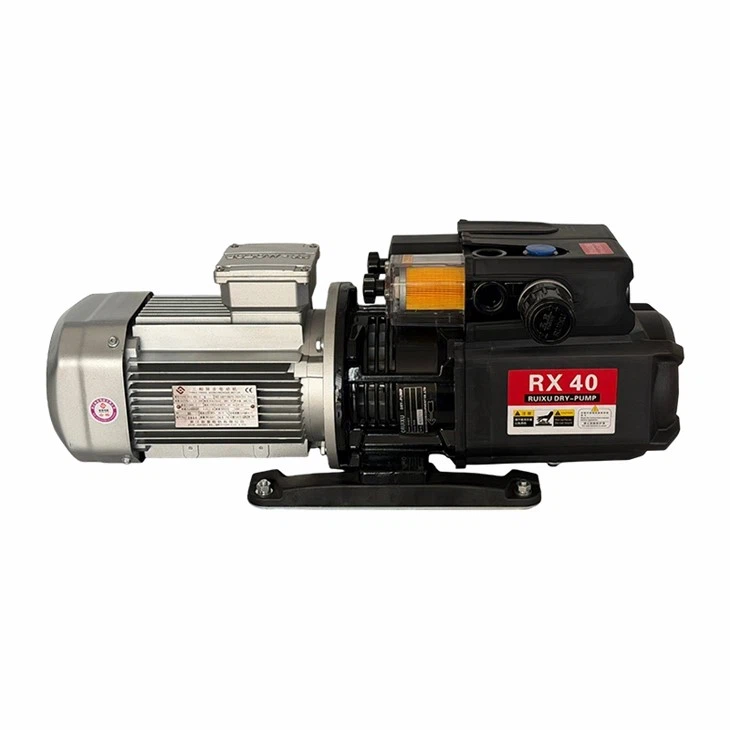
I’m in the vacuum pump parts and consumables business, so I get asked this question all the time. It’s not a trick question, but it’s one that surprises a lot of people who assume a pump’s only maintenance is changing the oil once a year. So let’s break it down: what is a vacuum pump oil filter, and why does it matter more than you might think?
First, let’s start with the basics of how vacuum pumps work, because the filter’s job ties directly to that. Most common rotary vane vacuum pumps—the type you’ll see in small-scale labs and mid-sized industrial settings—use oil for three critical jobs: it lubricates the moving vanes inside the pump, creates a tight seal between the vanes and the pump chamber to maintain vacuum, and absorbs heat generated by the friction and compression of gas. That oil circulates nonstop as the pump runs, and as it moves, it picks up all kinds of contaminants.
Those contaminants aren’t just random debris. There’s fine metal shavings from the vanes rubbing against the chamber walls, tiny particles from the gasses being pulled into the pump (think dust, vapors from processed materials, or even leftover particulates from a previous job), and degraded oil itself—small bits of the oil that break down as they get hot and cycle through the system. If those contaminants stay in the oil, they don’t just make the oil less effective; they cause big problems for the pump. That’s where the oil filter comes in.
A vacuum pump oil filter is a small, cylindrical part—usually made of paper, microfiber, or sometimes a metal mesh material—that’s designed to trap those contaminants as the oil circulates through the pump. Unlike a regular engine oil filter in a car, which is made to catch large particles to keep the engine from wearing, this filter is built for smaller, finer debris because even tiny particles can wreak havoc on a vacuum pump’s precision. A metal shaving just 0.1 millimeters wide can scratch the smooth, precision-machined vanes that create the vacuum seal; a carbon particle from process gas can clog the small passages that let oil flow to the vanes.
Wait, but why is this different from other types of filters? I’ve had customers come in and ask if they can use a hydraulic filter or a generic oil filter they find at a hardware store. The short answer is no, and here’s why. Vacuum pump oil is a specific formulation—it’s designed to have low vapor pressure, meaning it doesn’t evaporate easily at low pressures, and to withstand high temperatures without breaking down. The filter for this oil has to match that oil’s properties, too. It’s designed to be compatible with the vacuum pump oil, so it doesn’t break down or leach chemicals into the oil that would contaminate the vacuum itself. If you use the wrong filter, you might end up with filter fibers dissolving in the oil, or even small particles from the filter material breaking loose right back into the pump. That’s a quick way to destroy a $5,000 pump over time.
Now, let’s talk about how it works in practice. When a vacuum pump starts up, oil is drawn from the sump (the reservoir where the oil sits) and pumped through the filter before it’s sent to the vanes and the chamber. As the oil passes through the filter media, contaminants get trapped on the surface or inside the structure of the filter. Clean oil then continues on to do its jobs: lubricate, seal, and cool. Over time, the filter gets clogged with all that debris, and you’ll see a pressure increase on the pump’s oil filter gauge, or the pump will start working less efficiently because the oil can’t flow as freely.
That efficiency drop is a big warning sign. If you ignore a clogged oil filter, the pump has to work harder to pull the same vacuum, which uses more energy, wears out parts faster, and can even cause the pump to overheat. I’ve seen customers skip changing the filter for years, only to have their pump’s vacuum level drop so much their production line goes down for a day or two. The cost of a replacement part or emergency repair is way higher than the cost of a $20 or $30 filter change every few hundred hours.
Let’s get specific about what contaminants the filter handles, because that’s where the science gets interesting. For example, in a pump used in a food processing plant that does freeze-drying, the pump pulls moisture and small food particles into the oil. The filter traps those food particles so they don’t get burned onto the vanes. In a semiconductor fab, where pumps are used to create the low-pressure environment for etching wafers, the gasses being pulled are highly reactive, and the filter traps the tiny metal and silicon particles that come off the wafers—particles that would ruin the product if they ended up in the vacuum chamber.
There are different types of vacuum pump oil filters, too, right? Not all are the same. The two most common are full-flow filters and bypass filters. Full-flow filters are the ones most people know: all the oil from the pump sump passes through them before going to the vanes. They’re good for most standard applications, but for pumps that run 24/7, or in environments with heavy contamination, a bypass filter might be a better choice. Bypass filters only send a portion of the oil through the filter, so the rest circulates normally. This means the filter doesn’t get clogged as quickly, and you can change it less often while still keeping the oil clean. It’s a trade-off, but one that’s worth it for high-use equipment.
Another thing I see a lot is people confusing oil filters with oil mist filters. That’s a common mix-up, and it’s an important one to clear up. An oil mist filter (sometimes called an exhaust filter) is on the outlet side of the pump, designed to catch oil vapor that’s pulled out of the pump with the gas. It keeps oil from being released into the atmosphere, which is great for workplace safety and reducing waste. The oil filter we’re talking about is on the inlet side, cleaning the oil before it enters the pump. They work together, but they’re completely separate parts—one cleans the oil inside the pump, the other cleans the exhaust. That’s a mistake I see new pump operators make all the time: they change the mist filter but skip the oil filter, and wonder why their pump breaks down.
Now, let’s talk about when to change a vacuum pump oil filter. This is a question I get every week, and it’s not one-size-fits-all. It depends on the type of pump, how much it’s used, and what it’s pumping. For a small pump used in a lab a few hours a week, you might only need to change the filter once a year, along with the oil. For a pump in a 24/7 manufacturing line, it’s probably every 500 to 1,000 hours of operation. Some modern pumps even have built-in sensors that alert you when the filter is clogged, which takes the guesswork out of it. The key is to check the filter regularly—if you notice the pump’s vacuum level dropping, or if the oil looks dark and gritty when you check it, that’s a sign the filter needs to be changed sooner rather than later.
What happens if you don’t change the oil filter? Let’s cover that, because it’s a big financial risk. As the filter gets clogged, oil flow to the vanes is restricted. The vanes, which are precision-machined to within a few thousandths of an inch, don’t get enough lubrication, so they start to wear out faster. The metal shavings from worn vanes then end up in the oil, which clogs the filter even more, creating a vicious cycle. Over time, this can lead to the vanes scoring the pump chamber, which is a costly repair—sometimes more expensive than replacing the entire pump. Also, dirty oil doesn’t seal as well, so the pump can’t maintain a deep vacuum, which means your products might not turn out right. I had a customer last year who made custom metal parts; his vacuum pump’s filter was clogged, so the vacuum was too weak, and his parts had tiny air bubbles that made them unusable. He lost an entire batch, which was way more than the cost of a few filters.
That’s why, as a vacuum pump parts supplier, I always emphasize to customers that the oil filter is not a disposable afterthought—it’s a critical component of your pump’s maintenance schedule. Too many people focus on the big parts, like the motor or the vanes, and forget that the small, $30 filter is what keeps those big parts working. Think of it like the air filter in your car: you don’t ignore it, because a dirty air filter makes your car less efficient and causes engine damage. Same logic here.
Now, let’s clear up another misconception: some people think vacuum pump oil filters are only for industrial pumps. That’s not true. Even small, desktop vacuum pumps used in home workshops or small research labs need oil filters. Those small pumps might not cost as much as industrial units, but replacing them constantly adds up over time. I’ve had a hobbyist come in who was using his pump to make glass ornaments; he wasn’t changing the filter, and the pump started leaking oil into his workspace. He ended up having to replace the pump three times in a year, whereas changing the filter every six months would have kept it running for years.
So, to sum up what a vacuum pump oil filter is, in plain terms: it’s a small part that cleans the oil in your vacuum pump, trapping contaminants that would otherwise damage the pump, reduce its efficiency, and cost you money in repairs or replacements. It’s not the most exciting part of a vacuum pump, but it’s one of the most important for long-term performance.
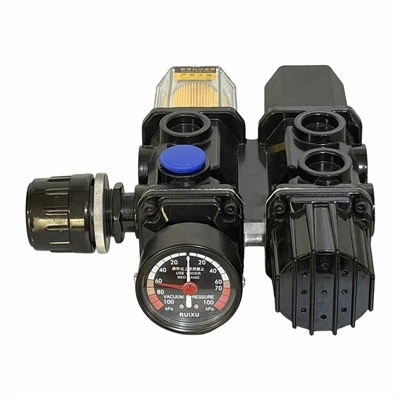
If you’re unsure about the right filter for your pump, or if you need help putting together a maintenance schedule for your vacuum equipment, I’m here to help. Whether you’re running a large manufacturing facility or a small lab, having the right parts and consumables on hand is key to keeping your operations running smoothly. Don’t wait until your pump breaks down to deal with maintenance—reach out to chat about your vacuum pump needs, and I can help you find the right oil filters, oil, and other parts to keep your equipment working for years to come.
Vacuum Pump Parts and Consumables References
- Vacuum Pump Maintenance and Troubleshooting, ISO Standards for Vacuum Technology, International Organization for Standardization.
- Rotary Vane Vacuum Pump Operation and Components, Vacuum Technology Association Industry Handbook.
- Industrial Vacuum Pump Consumables and Filter Compatibility, Global Vacuum Parts Supplier Technical Guide.
- Lubrication Requirements for Vacuum Pumps, American Society of Mechanical Engineers (ASME) Fluid Handling Guidelines.
Wenzhou Ruixu Vacuum Equipment Co., Ltd.
As one of the most professional vacuum pump parts and consumables manufacturers and suppliers in China, we’re featured by quality products and low price. Please rest assured to wholesale cheap vacuum pump parts and consumables made in China here and get quotation from our factory. Customized orders are welcome.
Address: No.8 Xingyang Road, Wanquan Industrial Park, Pingyang County, Wenzhou City, Zhejiang Province
E-mail: rx668@163.com
WebSite: https://www.ruixupump.com/
