Alright, let’s break this down straight. If you’ve been looking into air quality solutions lately, you’ve probably seen “ductless fresh air system” pop up a lot. But what the heck is it actually? Let’s cut through the marketing fluff and talk real—plus, since I’m a fresh air system supplier, I’ll share what our customers ask about, too. Fresh Air System
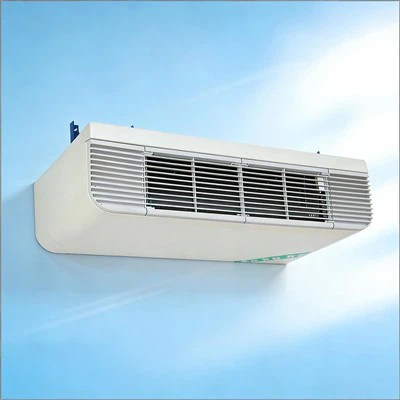
First, let’s get the basics: A ductless fresh air system is basically a compact, no-duct air purification and exchange unit that brings in clean outdoor air and pushes out stale indoor air—without using the giant, clunky ductwork you’d find in a central AC or old house HVAC setup. Wait, hold on—let’s make that clear: it’s not the same as a mini-split AC (those are for heating/cooling, not air exchange). Mini-splits might have “ductless” in the name, but they don’t do fresh air unless they’re paired with a separate system. Our ductless fresh air units are built specifically for that two-way swap.
Why ditch ducts? Let’s be honest—most homes built before the 1980s don’t have perfect ductwork. Even newer builds? Ducts get dusty, leaky, or get mold if there’s a leak in the attic or basement. A lot of people also don’t want to tear out walls or run big pipes just to get fresh air. That’s where ductless shines. These units are small—often wall-mounted, ceiling-mounted, or even portable for renters who can’t make permanent changes. They don’t need to tie into your existing HVAC, so installation’s way easier and cheaper for small spaces like studios, apartments, home offices, or even tiny offices.
Now, how do they work, step by step? Let’s keep it science but not boring. First, they pull in outdoor air through a small intake vent—usually drilled through one exterior wall, no big hole needed. That outdoor air goes through a filter: most use HEPA filters to catch pollen, dust, pet dander, and even bacteria, plus carbon filters to grab odors (cooking smells, smoke, VOCs from paint or cleaning products). Then, they bring that filtered air into your room. At the same time, they suck out stale, polluted indoor air (CO2 from breathing, moisture from showers, leftover odors) through a separate exhaust vent—usually drilled through the same wall, just a few inches apart. Some higher-end models even have a heat or energy recovery wheel—so they don’t waste your hot or cool air. Like, in winter, the stale exhaust air heats up the incoming cold air before it enters your space. That’s a big win for utility bills, no one wants sky-high heating costs.
Wait, let’s clear up a common myth: some people think if you just open a window, that’s fresh air. But no—especially in cities with bad air pollution, or when it’s too hot/cold to keep windows open. Also, if you have a small, airtight apartment (which most new builds are, for energy efficiency), opening a window only lets in a little air, and you’re losing the temperature-controlled air you paid for. Ductless fresh air systems fix that—constant, filtered air exchange without messing with your comfort.
Now, what makes these different from other air systems? Let’s compare: Central HVAC with ducts needs big installation, can have dirty duct buildup, hard to zone (you can’t just get fresh air in one room without all ducts running). Portable air purifiers? They just filter the air you already have—they don’t bring in new air, so CO2 still builds up. I’ve had so many customers come to me saying their air feels “stuffy” even with a $500 purifier—turns out, they didn’t know purifiers don’t do exchange. Ductless fresh air systems fix that gap: they add new, clean air, so your space doesn’t get that stagnant, headachy feeling from low CO2.
What sizes do these come for? Let’s be real—we have units for studio apartments (like 500 sq ft) up to small offices or even condos (1,500 sq ft). Some multi-room setups? Wait, no—most ductless fresh air systems are for single rooms or open-concept spaces, since running multiple vents is easier than a central duct run. If you have a big house, we’ll usually suggest multiple units, one per floor or per main living area. That way, you don’t waste energy pumping fresh air into a room no one uses.
Now, real-world use cases—let’s talk about what our customers actually buy these for. First, renters: we’ve had so many people who can’t modify their home’s existing HVAC, so a wall-mounted ductless unit is perfect. They don’t need to attach to anything permanent, most just need a small vent hole (drilled by a handy person, even—no contractor required if you’re okay with a small hole). Then, people with allergies: in areas with high pollen counts, these filter the incoming air before it gets inside, so you don’t have pollen blowing in through an open window. Home offices—if you work from home, you know that feeling of getting sluggish midday because your office has no fresh air. A ductless unit keeps CO2 levels low, so you stay focused. Even people with mold issues: if you have a damp basement or a bathroom that’s always stuffy, these units exhaust the moist air before mold can grow, and bring in dry, filtered air to balance it.
Wait, let’s get to the stuff people worry about: noise. Old exhaust fans are loud, right? A lot of our customers ask if ductless fresh air systems make noise. Most modern models run at 20-35 decibels—about as loud as a quiet library or a refrigerator hum. You won’t notice it when you’re watching TV or sleeping. The ones that are cheaper might be louder, but we only carry units that stay quiet, no one wants a noisy background hum ruining their vibe.
Another worry: maintenance. How often do you need to clean them? The filters need replacing every 3-6 months, depending on how dusty your area is. That’s way easier than cleaning ductwork (which costs hundreds, by the way). The vent holes just need a quick wipe down every few months, no big job. We even send out maintenance reminders to our regular customers, so you don’t forget.
Now, what’s the big benefit over other options? Let’s wrap that up: it’s flexible, no big installation, good for small spaces or renters, solves the “stale air” problem that purifiers can’t, doesn’t waste your heating/cooling, and helps with allergies and mold. For us as a supplier, the number one feedback we get is that people are shocked at how different their space feels—after a week with one, they say their headaches go away, their food smells don’t linger, and their air actually feels “alive” instead of just recycled.
Wait, let’s make sure we don’t overhype it—no system is perfect. If you live in an area with super high outdoor pollution (like wildfire season with thick smoke), you might need to pair it with a more advanced filter, but that’s easy to add. Also, they’re not for whole-house central systems if you already have ducts—though if your ducts are leaky, you might save money by switching to a ductless system instead of sealing ducts. But for most people, especially those without existing ducts, it’s a no-brainer.

Now, if you’re thinking about getting one: where do you start? First, measure the space you want to put it in. A 500 sq ft studio needs a smaller unit, a 1,200 sq ft open living room needs a medium one. If you’re not sure, just reach out to us—we help people pick the right size, no pressure. We also do installations for local customers, or can send guides for people who want to DIY (though we always recommend a pro if you’re not comfortable with drilling through walls).
AC At the end of the day, a ductless fresh air system is just a way to get clean, constant fresh air without the hassle of old ductwork. It’s not a fancy tech gimmick—it’s a practical solution for anyone who wants better air quality, without tearing up their walls or breaking the bank. If you’re ready to upgrade your space or have questions about what size would work for you, get in touch with us to connect for purchasing and a consultation. We’re here to walk you through every step, no sales pitch—just straight answers.
References
- "Ductless Fresh Air Systems: A Guide for Residential Use" – American Society of Heating, Refrigerating and Air-Conditioning Engineers (ASHRAE)
- "Indoor Air Quality Solutions for Small Spaces" – Environmental Protection Agency (EPA)
- "Noise Ratings for Residential Ventilation Systems" – Air Movement and Control Association International (AMCA)
- "Filter Efficiency in Residential Fresh Air Systems" – National Institute for Occupational Safety and Health (NIOSH)
Shandong Kasuo Air Conditioning Equipment Co., Ltd.
Shandong Kasuo Air Conditioning Equipment Co., Ltd. is one of the most professional fresh air system manufacturers and suppliers in China, featured by quality products and good price. Please rest assured to wholesale high-grade fresh air system for sale here from our factory. We also accept customized orders.
Address: Luquantun Industrial Park, Wucheng District, Dezhou City, Shandong Province
E-mail: ksair@kasuoac.com
WebSite: https://www.kasuoac.com/
