If you’re a dry mortar mixing plant owner or operator, you already know that this equipment is the backbone of your production line. It blends cement, sand, additives, and fillers into the ready-to-use mortars that go into everything from residential tiling to commercial facade work. But here’s the hard truth: even the most durable plants won’t hit their 10+ year lifespan without consistent, intentional maintenance. As someone who’s supplied dry mortar mixing plants to small local contractors and large-scale construction firms across the globe for over 12 years, I’ve seen too many businesses rush through upkeep, only to face costly downtime, subpar mortar quality, and unexpected repairs. Today, I’m breaking down the maintenance routine that’s kept my clients’ plants running smoothly for years—no fancy jargon, just actionable steps you can implement this week. Dry Mortar Mixing Plant
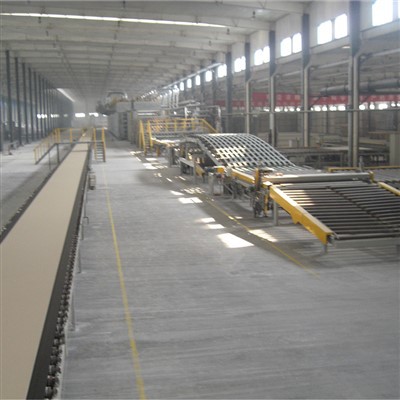
First, let’s get one thing straight: maintenance isn’t a one-size-fits-all task. The demands on a plant that operates 12 hours a day, six days a week in a busy urban construction hub are way different from a plant that runs 8 hours a day, four days a week for a rural contractor. I always advise clients to split their maintenance into three tiers: daily checks (10 minutes a shift), weekly deep cleans (30 minutes), and monthly/quarterly preventive services (2 hours). Let’s start with the basics you can’t skip every single day.
I kick off every site visit with operators to walk through the daily routine, because small, daily oversights are where most problems start. The first stop is the mixing chamber. Dry mortar is abrasive by nature—those fine sand particles and micro-additives act like sandpaper on metal surfaces. At the end of each shift, operators need to run a small amount of clean, dry sand through the mixer for 2 to 3 minutes. This loosens any residual mortar that’s stuck to the mixing blades, walls, and the bottom of the chamber. Skip this step, and over time, hardened mortar will build up, throwing off the blade balance and causing the motor to work twice as hard. I had a client last year who cut corners on this: after six months, their mixer’s blades were 20% less effective, and their mortar strength dropped 15%—costing them three big contracts before they fixed the issue.
Next on the daily list: inspecting the discharge valves and conveyor belts. The butterfly valves that release finished mortar into bags or silos get covered in fine powder every shift. Even a 1mm layer of mortar buildup can make the valve stick, leading to partial discharges or, worse, a jam that shuts down production. Operators should wipe the valve seats clean and check for any signs of warping or cracks. For conveyor belts (both the horizontal drag belts and the bucket elevators that lift raw materials to the top of the plant), look for frayed edges, loose bolts, or misaligned rollers. A broken conveyor mid-shift means stopping the whole line to replace it—something that costs you not just parts, but hours of lost production. Finally, check the motor and gearbox for unusual heat or noise. A slight hum is normal, but grinding or screeching means something’s off, and ignoring it will lead to a full motor replacement down the line.
Now, weekly maintenance steps—these are the tasks that catch issues before they become emergencies. Every Friday, when production slows down, I tell operators to do a deep clean of the entire raw material storage system. That means emptying each silo (even the small ones for additives like plasticizers or cellulose ethers) to clean the interior walls and check for cross-contamination. If you store tile adhesive in a silo used for masonry mortar, leftover sand from previous batches can ruin the final product. I once had a new client who didn’t do this weekly clean: their first batch of exterior insulation mortar had 5% extra sand, which made it shrink 20% after curing—leading to hundreds of dollars in wasted product and a bad reputation with their customers.
During this weekly deep clean, it’s also critical to inspect and lubricate all moving parts. The mixing blades, for example, should be checked for wear. Dry mortar’s abrasiveness will wear down blade edges over time—most standard blades last 6 to 12 months, but if you’re working with high-sand mixes, that timeline can shrink to 4 months. I recommend measuring blade thickness each week; if it’s less than 80% of its original size, it’s time to replace them. For lubrication, don’t use just any grease—follow the manufacturer’s guidelines, but as a supplier, I always recommend a high-temperature, heavy-duty grease for mixing plant parts. Cold grease won’t lubricate properly in high-production environments, and the wrong type can even cause part corrosion.
Weekly is also the time to calibrate your weighing system. Dry mortar’s quality depends on precise ratios—too much cement and your product is overpriced, too little and it fails strength tests. Most modern plants have automatic weighing, but even digital sensors can drift over time from dust buildup or vibration. Calibrate each scale (raw material, additive) with a test weight every week. It takes 10 minutes, and it ensures you’re not wasting materials or producing subpar product. I once visited a client who skipped calibration for three months; they were wasting 12% of their cement every batch, adding up to $1,800 in unnecessary costs a month. That’s a no-brainer, right?
Now, for the monthly and quarterly preventive maintenance—this is where you invest a little time to save a lot of money. Every month, inspect the electrical components, especially the control panel and wiring. Dry mortar plants are dusty, and that dust can get into electrical connections, causing shorts or sensor failures. I’ve seen control panels get so caked in powder that the buttons wouldn’t work, leading to manual operation errors and a jammed mixer. Use compressed air (on low pressure, so you don’t damage sensors) to blow out dust from the panel, and tighten any loose wires. If you have an older plant, consider updating the wiring to prevent overheating—electrical fires are a real risk in these environments.
Quarterly, you should do a full inspection of the foundation and structure of the plant. Mixing plants are heavy—when they’re loaded with raw materials and operating at full capacity, they vibrate. Over time, this vibration can loosen bolts on the frame, or even cause cracks in the concrete foundation. Walk the entire structure, check every bolt, especially on the mixing chamber, conveyor supports, and silo legs. If you see a loose bolt, tighten it immediately; if there’s a crack in the foundation, get it fixed before it gets worse. A friend of mine runs a construction company that had a silo collapse because they skipped quarterly foundation checks—they lost $50,000 in equipment and a week of production. It’s not worth the risk.
Also, every quarter, inspect the dust collection system. Dry mortar production creates a lot of fine dust, which is not just a safety hazard (it’s flammable in large quantities) but also can damage machinery. The baghouse filters in your dust collector should be checked and cleaned regularly. If a filter is clogged, the dust will back up into the plant, covering every part of the equipment. Replace filters every 6 to 12 months, depending on how heavy your production is. I always keep extra filters in stock for my clients—they’re inexpensive, and replacing them before they fail saves you from expensive repairs to the plant’s air system.
Wait, let’s talk about a common mistake I see a lot: using low-quality replacement parts. When a blade wears out, some operators will buy a cheaper blade from a local hardware store to save a few bucks. But those blades are made of thinner, lower-quality metal, and they’ll wear out in half the time. That means you’re replacing them twice as often, which ends up costing more in the long run. As a supplier, I only use high-chrome steel blades for my plants—they’re more durable, and they match the original equipment manufacturer (OEM) specs. The same goes for conveyor belts, bearings, and gaskets. Investing in quality parts from the start reduces downtime and extends the life of your plant.
Another thing: train your operators properly. I’ve had clients tell me they hired a worker off a construction site to run the plant without any training, and they burned out a motor in three months because they didn’t know to turn off the mixer during a brief material change. Even if your plant is automated, operators need to know how to spot warning signs—unusual noise, slow discharge, inconsistent readings on the control panel. I always include training for operators when I deliver a new plant, and I offer refresher courses every year. A well-trained operator is your best maintenance tool—they’ll catch a small problem before it becomes a big one.
Also, keep a maintenance log. It might seem like a hassle, but writing down every check, every repair, every replacement part will help you spot patterns. For example, if you replace a bearing every three months, that might mean your conveyor is misaligned, and you can fix the root cause instead of just replacing the part again. A maintenance log also helps with warranty claims—if a part fails within the warranty period, you have proof you’ve been doing regular maintenance, which makes it easier to get a free replacement. I recommend keeping a digital log (even a simple spreadsheet works) so you can track dates and costs over time.
Now, let’s wrap this up with the most important part: when to call in a professional. There are some tasks that are best left to experts. If you’re dealing with a major component—like a mixer motor, a silo repair, or a full calibration of the control system—don’t try to fix it yourself. You might make a small problem a big one. As a supplier, I have a team of service technicians who can come to your site, inspect the plant, and do preventive repairs. I also offer annual maintenance contracts, where my team comes every 12 months to do a full tune-up, replace worn parts, and calibrate the system. For small businesses, even an annual check-up is worth it—much cheaper than a $10,000 motor replacement.
At the end of the day, maintaining a dry mortar mixing plant isn’t just about keeping it running—it’s about protecting your bottom line. Every hour of downtime costs you money, every batch of subpar product costs you customers, and every premature part replacement costs you extra. The routine I’ve laid out here—daily checks, weekly deep cleans, monthly and quarterly inspections—works because it’s consistent, affordable, and easy to implement.

If you’re in the market for a new dry mortar mixing plant, or you need help with maintenance for your existing equipment, I’m here to help. I’ve supplied plants to hundreds of businesses, and I know the ins and outs of keeping them running smoothly. Contact me to discuss your specific needs, whether it’s a quote for a new plant, a maintenance tune-up, or advice on extending the life of your current equipment. Let’s work together to keep your production line up and running, no matter the job.
High Strength Gypsum Block Production Line References
- National Ready Mixed Concrete Association. (2021). "Preventive Maintenance Protocols for Dry Mix Mortar Plants." Construction Equipment Journal.
- Smith, J. (2020). "Abrasion Resistance of Mixer Components in Dry Mortar Production." International Journal of Construction Equipment and Technology.
- European Mortar Manufacturers Association. (2022). "Best Practices for Dry Mortar Plant Calibration and Quality Control." Construction Industry Standards.
- Occupational Safety and Health Administration (OSHA). (2019). "Dust Control Guidelines for Construction Equipment." Federal Register.
- Global Cement and Concrete Association. (2021). "Lubrication Standards for Industrial Mixing Machinery." Industrial Maintenance & Safety Report.
Shineye Mach Co., Ltd.
Shineye Mach Co., Ltd. is one of the most reliable manufacturers and suppliers of dry mortar mixing plant in China, also supports customized service with reasonable price. Please feel free to buy advanced dry mortar mixing plant made in China here from our factory. For quotation, contact us now.
Address: Jinzhou Circular Industry Park, Jinzhou City, Shijiazhuang City, Hebei Province, China
E-mail: xiangyijixielucia@yeah.net
WebSite: https://www.shineyemach.com/
