If you’ve ever kicked back on your favorite outdoor chair, only to have it ruin the vibe with a high-pitched squeak every time you shift your weight, you know how annoying that tiny sound can be. As someone who’s been in the outdoor chair business for years— I’ve got stories of customers calling in mid-summer BBQs, mortified that their new patio set is drawing weird looks from guests, all because of a squeaky frame. The good news? Most outdoor chair squeaks aren’t a death sentence for your furniture, and you can fix a lot of them without fancy tools or a huge budget. Let’s break this down like we would with a regular customer at our shop—no jargon, just real, actionable stuff that works for wooden, metal, and even plastic outdoor chairs. Outdoor Chair

First, let’s get one thing straight: 90% of outdoor chair squeaks come from two things that are super common outside: moisture and friction. Unlike indoor chairs, which sit in climate-controlled spaces, your patio set deals with rain, humidity, and even morning dew that gets trapped in tiny gaps between joints. That moisture acts like a sticky glue holding moving parts together, so when you lean back, the parts rub against each other instead of gliding—hence the squeak. The other 10%? Worn-down parts, loose screws, or dirt and pollen building up over time. I’ve seen everything from a crumb of grass in a metal joint to a rusted bolt cause a chair that was perfectly quiet last week to start screaming.
Let’s start with the easiest fixes first—because who wants to overcomplicate this? For any chair, wooden or metal, the first step is to give the squeaky spot a quick clean. Dirt, pollen, and old sunscreen (yes, sunscreen!) can get into joints and act like sandpaper, making friction way worse. Grab a soft brush, an old toothbrush works great for tight spots, and a bucket of warm soapy water—we usually use mild dish soap because it doesn’t damage the finish. Scrub around the joints, the legs, and any moving parts like folding hinges, then dry everything off completely. I can’t stress the drying part enough. If you leave even a little water there, it’ll just turn right back to gunk when the next rain hits.
Once it’s dry, the next step is lubrication, but not just any lubricant—outdoor chairs need stuff that can handle the elements, not the silicone spray you used on your indoor desk chair last year. That indoor silicone dries out in the sun and turns gooey after a few months, and it can even attract more dirt. For metal chairs, especially aluminum or steel ones that are common in patio sets, a dry lubricant like Teflon spray is perfect. It doesn’t get messy, it repels moisture a little, and it stays slick even when it’s hot out. For wooden chairs, though—skip the Teflon. Wood needs something that won’t seep into the grain and cause warping (we see that all the time with cheap lubricants). A beeswax-based furniture polish works great, or even just a little mineral oil applied with a cloth. If your chair has folding hinges, a tiny squirt of white lithium grease (the kind that’s designed for outdoor use, not the auto stuff) will quiet those right up—just don’t use too much, because it can drip onto your patio cushions.
Now, let’s talk about loose parts, because that’s another big culprit. Over time, constant shifting and temperature changes can make screws, bolts, and nuts work themselves loose. For example, a dining chair used every day might have a loose screw in the leg joint, and when you sit, the leg wobbles and squeaks against the frame. For this, you’ll need a screwdriver or wrench—nothing fancy. Tighten every visible screw and bolt on the chair, but here’s a pro tip from our shop: don’t overdo it. If you crank a wooden chair’s screws too tight, you can strip the wood or crack it, which leads to bigger problems later. If a screw feels loose even after you tighten it, add a tiny dab of wood glue to the threads before screwing it back in—let it dry completely, and it’ll hold way better than just a loose screw. For metal joints, a little locktight (the blue kind, not the permanent red stuff) on the bolt threads will keep them from working loose over time, especially if your chair gets moved a lot or sits through wind storms.
Wait, what about the parts that aren’t joints? Sometimes the seat or the backrest rubs against the frame, especially on wooden chairs where the wood shrinks a little in dry weather. You’ll notice this if the squeak happens when you shift back, not just when you lift the chair. The fix here is simple: add a small buffer. Grab a piece of felt, rubber sheeting, or even a cotton ball (if the gap is tiny) and tuck it between the rubbing parts. Cut the felt to size, glue it in place with a strong outdoor adhesive, and that friction is gone. I’ve even had customers use old yoga mat scraps for this—works like a charm, and it’s way cheaper than buying new parts. For plastic chairs, which are a little different because they’re lightweight and often foldable, the squeak is usually from the hinge. The same cleaning and lubrication trick works there, but for plastic, we recommend a silicone-based lubricant that’s safe for plastic—some regular sprays can make plastic crack over time.
Now, let’s get into the stuff that’s a little more specific to outdoor use, because your chair isn’t just sitting still. If your chair folds up and gets stored during the off-season, or if it’s left out year-round, the change in temperature and humidity speeds up wear and tear. For people who keep their chairs out all winter, I recommend checking the joints once a month—snow and ice can get into tiny gaps and cause rust on metal, or warp on wood, which leads to squeaks. If you store them in a garage or shed, make sure they’re clean and dry before putting them away, and cover any metal joints with a light coat of lubricant to prevent rust. We also tell customers who store their folding chairs to leave them slightly unfolded when not in use, instead of folding them tight all the time. That takes pressure off the hinges and keeps them from getting stiff, which reduces squeaks when you pull them out for summer.
What about older chairs? The ones that have been in the sun for 5, 10, even 15 years—those can have worn-down parts that newer chairs don’t. If lubrication and tightening don’t work, you might need to replace small parts, like a loose hinge pin or a worn plastic sleeve inside a metal joint. Our shop does a lot of part replacements for customers, instead of making them buy a whole new chair, because that’s not always necessary. For wooden chairs, if the seat has warped a little so it’s rubbing the frame, adding a few small shims (thin pieces of wood) under the seat brackets can level it out and stop the squeak. We’ve also seen cases where the feet of the chair wear down, so the leg rubs against the patio surface—adding rubber foot caps, which are super cheap, eliminates that noise right away.
Wait, let’s talk about a common mistake we see: using the wrong lubricant. A lot of people grab whatever’s in their garage, like old cooking spray or Vaseline, to fix a squeak. Don’t do that. Cooking spray attracts bugs, and it’ll turn sticky after a week, making the problem way worse. Vaseline is bad for metal, because it doesn’t dry and can trap moisture leading to rust. Stick to the stuff we mentioned: dry Teflon, beeswax polish, white lithium grease for metal hinges, and silicone for plastic. It’s a small cost, but it makes a huge difference in how long the fix lasts.
Another thing to keep in mind: a little prevention goes a long way. When you buy outdoor chairs from us, we always include a small care sheet that says to wipe down the joints once a month, especially during hot, humid months. Even just a quick wipe with a cloth to remove dirt can stop a squeak before it starts. Also, avoid dragging your chairs across the patio—lifting them instead of sliding keeps the joints tight and reduces unnecessary friction. I know it’s easy to just yank a dining chair a little when you’re setting the table, but over time, that small drag wears down the joints and causes squeaks.
Now, let’s test this stuff out—we’ve had a lot of customers try these steps, and the response is almost always positive. Last summer, a guy called us in a panic because his patio set was squeaking so loud his neighbors complained. We told him to clean the main joint on each dining chair with warm soapy water, dry it, then spray a little dry Teflon. He came back a week later saying the squeak was gone, and his neighbors even asked where he got the idea. Another customer with wooden Adirondack chairs tried the beeswax polish trick for the backrest, and said it worked way better than the silicone spray he used before.
Of course, if you’ve tried all these steps and the squeak is still there, don’t stress. Every now and then, a chair has a more serious issue—like a cracked frame or a bent leg—that you can’t fix with a quick lubrication. That’s when our team can help. We’re not just a supplier; we work with customers to figure out what’s wrong, whether you need a small part replaced, a joint reinforced, or even a recommendation for a new set if your current chair is too old to save. A lot of people think outdoor furniture is disposable, but we’re here to prove that it’s not—most squeaks are easy to fix, and we can help you keep your chairs in good shape for years.
At the end of the day, a squeaky outdoor chair doesn’t have to ruin your time outside. It’s just a small problem with a simple fix, if you know what to look for. Whether you have metal, wooden, or plastic chairs, the key is to address the moisture and friction that cause most squeaks, keep the parts tight, and use the right products for the job. If you’re dealing with a stubborn squeak, or if you’re looking for new outdoor chairs that are built to resist squeaks (our frames are reinforced with extra fasteners and coated to fight moisture, just for that reason), reach out to our team to chat. We’re happy to walk you through any issue, no pressure, just real advice from people who’ve been in the outdoor furniture game for ages.
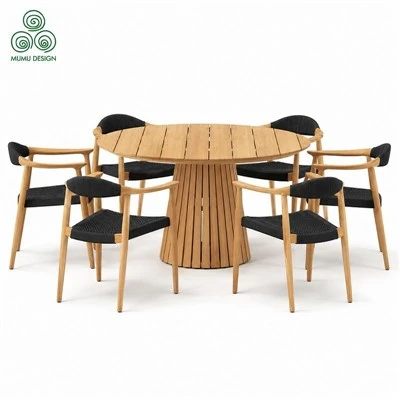
We also recommend checking our care guides for more tips, but if you have questions specific to your chair, don’t hesitate to contact us for assistance. Whether you need help identifying a squeaky spot or want to learn about long-term maintenance, we’re here to make sure your outdoor chairs work as well as they look. With a little attention, you can keep your patio quiet and comfortable for every BBQ, hangout, and lazy afternoon for years to come.
Wood Shingles References
Outdoor Furniture Manufacturers Association. (2022). Care and Maintenance Guidelines for Patio Seating.
American Wood Protection Association. (2021). Lubrication and Fastener Best Practices for Wooden Outdoor Furniture.
Steel Framing Industry Association. (2020). Moisture Resistance and Joint Lubrication for Metal Patio Chairs.
Dongguan Mumu WoodWork Co., Ltd.
As one of the most professional outdoor chair manufacturers and suppliers in China, we also support customized service. Please feel free to wholesale bulk high quality outdoor chair for sale here from our factory. Good service and low price are available.
Address: Room No.2602-2603, Unit 9B, Universal Commerce Center, Nancheng District, Dongguan City, Guangdong Province, China,523073
E-mail: sales@mumu-ing.com
WebSite: https://www.mumuthermowood.com/
