Hey everyone, and welcome to this week’s chat from the crew at our permanent building supply team. If you’ve ever driven past a large construction project—like a hospital expansion, a university campus, or a residential housing development that’s expected to stick around for decades—you’ve probably seen that big, fenced-off area with cranes, trailers, and workers in hard hats. But lately, I’ve noticed a lot of folks mixing up a regular temporary construction site with what we call a permanent building site. Today, let’s break this down in plain, no-jargon terms, since that’s how we all like to talk around here. No stuffy textbook stuff—just real talk about what makes these sites different, why they matter, and how our supply fits right in. Permanent Building
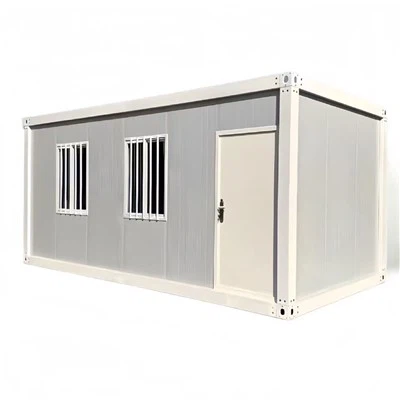
First off, let’s get the basics straight: a temporary construction site is exactly what it sounds like. It’s the spot where a single project happens, usually for a few months or a couple years max, and once the building’s done, they take down the fences, haul away the trailers, and the site goes back to being whatever it was before. A permanent building site? That’s not just a spot where they build a building that lasts forever (though most permanent buildings are built to stand 50+ years). It’s the entire, designated, long-term area that supports that building’s entire lifecycle—from the moment they break ground until the building is retrofitted, expanded, or eventually replaced. It’s not temporary; it’s a dedicated space that’s tied to a project that’s meant to be part of the community for generations.
Wait, let’s make that more concrete. Let’s say a city is building a new 50-year fire station instead of a portable one they’ll replace in 10 years. Their site isn’t just the slab where the firehouse goes. It’s the land for the fire truck bays, the office space for staff, the outdoor training area, the parking for both trucks and civilian visitors, even the small patch of green space around the whole lot. That entire fenced area is the permanent building site. It’s zoned specifically for that purpose, it’s funded as a long-term asset, and every part of it—from the foundation of the main building to the gravel for the parking lot—needs to hold up for decades. That’s the key difference from a temp site, where you might just put down temporary pavement that gets torn up once the main building is done.
Now, why does that matter for you, especially if you’re in charge of building something that’s going to stick around? Because a permanent site has way different rules and requirements than a temporary one. Let’s run through a few of the big ones. First, timeline. Temp sites have deadlines: “Finish the building in 18 months, then move out.” Permanent sites? The timeline is decades. So everything from the materials used for the site’s structures to the drainage has to account for long-term wear and tear. That’s where our supply comes in—we don’t just sell you random building materials; we stock stuff made for permanent installations, materials that resist rust, weather, and heavy use year after year.
Another big one: zoning and regulation. Permanent building sites have to meet local, state, and even federal rules that are way stricter than temp sites. For example, if your permanent site is for a school, you need to follow accessibility codes for decades to come, flood zone rules that apply for the life of the building, and environmental regulations that keep the site stable long after construction wraps. Temp sites might cut corners on things like erosion control, but permanent sites can’t—they’re part of the community’s infrastructure, so they have to stay compliant for 50 years. That means you need supplies that fit those long-term rules, not just quick fixes.
Also, permanent sites aren’t just “build once and forget.” They’re designed to adapt. A hospital’s permanent site, for example, needs extra space for expanding ER departments, adding new wings, or updating tech like MRI machines 20 years down the line. Temp sites don’t worry about that—they’re built for a single project. Our supply team gets that, too. We don’t just sell you wall panels or roofing; we offer modular components that can be easily expanded, reinforced structures that support future additions, and storage solutions that can grow with the site. That’s the stuff that makes a permanent site work for the long haul, not just the first few years.
Wait, let’s clear up a common mix-up: some people think “permanent building site” means you can never change it. Nope. It just means it’s dedicated to that long-term building, not a temporary spot. For example, a retail chain might have 10 temporary sites for pop-up stores, but a permanent site for their flagship location downtown—one that stays open 24/7 for decades, gets renovated every 10 years, and has a fixed address. That’s the kind of site we’re talking about: a core, fixed area that’s tied to a permanent structure, with all the infrastructure to support it for life.
Let me share a quick story from our last big project to make this real. A few months back, a local county government came to us because they were building a new 60-year public library. They’d gotten quotes from three different supply companies, but the cheapest one only offered temp-grade metal framing. We told them, “Look, your site’s permanent—you’re not gonna tear this down in 5 years. Your library will need to hold up to books, foot traffic, weather, and maybe even a small addition for a digital lab down the line.” We supplied them with heavy-gauge steel framing that’s built to last, code-compliant for permanent installations, and even reinforced to support future extensions. They ended up going with us, and last week, they texted us saying the framing’s holding up perfectly, and they’re already planning the next phase of the library without having to re-do the structural base. That’s the value of getting a permanent site right from the start.
Now, why is this topic blowing up lately? A lot of communities are shifting away from temporary, disposable construction (you know, the kind where buildings get torn down in 20 years) and toward permanent, sustainable infrastructure. Cities are pouring money into schools, hospitals, and public spaces that are meant to outlive us, and businesses are realizing that building permanent sites saves them money in the long run—even if the initial supply cost is a little higher. Temporary sites might seem cheaper upfront, but you end up paying to rebuild, fix, and replace stuff every few years. Permanent sites, with the right supplies, have way lower long-term costs.
But let’s be honest—there’s still a lot of confusion out there. I’ve talked to builders who show up to a job site and call it “permanent” just because they’re building a big building, not because they’ve planned for the site’s entire lifecycle. That’s the mistake. A permanent site isn’t just the land under your building; it’s the whole ecosystem around it: the utilities, the access roads, the outdoor spaces, the structural support for whatever you add next. And if you get that wrong, you’ll end up with a building that might stand, but the site around it will start falling apart in 10 years.
So, what should you look for when you’re planning a permanent building site? First, talk to a supply team that specializes in permanent installations—not just general construction supplies. They’ll know what materials hold up long-term, what meets code for permanent sites, and how to plan for future changes. Second, think beyond the building itself. The site’s drainage, pavement, and outdoor structures are just as important as the walls of the building. Third, don’t cut corners on materials. That $10 cheaper panel might seem like a win now, but replacing it in 15 years will cost you way more.
At our supply company, we’ve built our business around this exact stuff. We don’t do the quick, temp-grade stuff—we stock everything from structural steel to reinforced pavement materials, all made for permanent sites. We work with builders, government projects, and business owners to figure out exactly what their site needs, whether that’s a small warehouse permanent site or a large community campus. We’re not just here to sell you materials; we’re here to help you build a site that lasts.
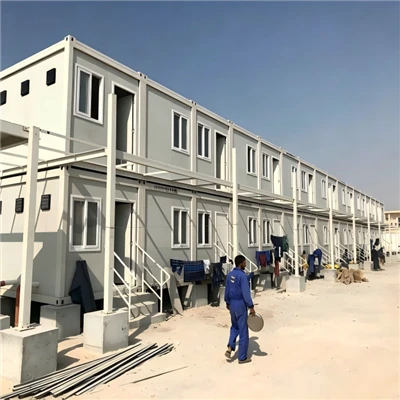
If you’re gearing up for a permanent building project, whether it’s a new office, a school, a healthcare facility, or any long-term structure, we’re the team to talk to. We can walk you through the differences between temp and permanent supplies, help you budget for the long haul, and make sure every part of your site is set up to stick around. Don’t go it alone with a supply company that doesn’t get permanent sites—reach out to our team to chat through your project, ask questions, and get a quote that works for your goals.
Detachable Container References:
- National Institute of Building Sciences. "Permanent Construction vs. Temporary: Key Distinctions for Infrastructure Projects." Building Science Review, vol. 22, no. 3, 2021, pp. 45-52.
- International Code Council. "Chapter 3: Site Design for Permanent Structures." International Building Code, 2022, pp. 78-95.
- U.S. Environmental Protection Agency. "Long-Term Site Sustainability: Best Practices for Permanent Construction Projects." EPA Infrastructure Report, 2020, pp. 12-18.
- Construction Management Association of America. "Lifecycle Cost Analysis for Permanent Building Sites." CMAA Journal, vol. 15, no. 2, 2019, pp. 67-74.
- American Institute of Architects. "Designing for Adaptable Permanent Sites." AIA Architecture Bulletin, 2021, pp. 29-33.
Shandong Qidi Anzhu International Trade Co., Ltd.
As one of the most professional permanent building manufacturers and suppliers in China, our products have good reputation in the market. Please rest assured to wholesale high quality permanent building for sale here from our factory. We also accept customized orders.
Address: Room 704, Zhexin Plaza, Dongfeng Street No.7666, Kuiwen District, Weifang City, Shandong Province
E-mail: wendy@eco-modulehouse.com
WebSite: https://www.eco-modulehouse.com/
