If you’ve ever spent time working in livestock feed production, biogas plant operations, or small-scale biofuel processing, you know that forage pulpers are not just another piece of farm equipment—they’re the difference between a slow, labor-intensive processing day and a streamlined, consistent workflow. For years, customers have reached out to our sales team with the same question: “Can I rent a forage pulper instead of buying?” It’s a fair question, and one that deserves a nuanced answer that cuts through the one-size-fits-all claims you’ll see from generic equipment rental companies. As a supplier who’s been in the forage pulper business for 12 years, I’ve seen firsthand how rental works (and where it falls short) depending on your needs, so let’s break this down honestly. Forage Pulper
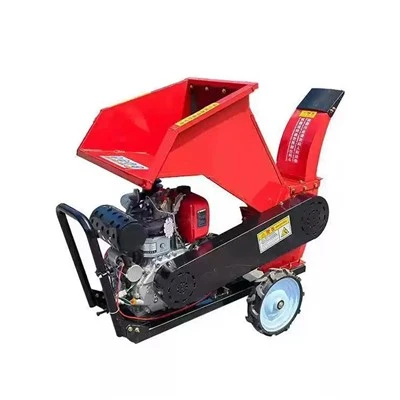
First, let’s clarify what a forage pulper actually does, because confusion here often leads to misaligned expectations. Unlike a basic hay grinder that cuts forage into smaller chunks, a forage pulper uses high-torque rotating drums, specialized screen grids, and variable speed controls to break down raw forage—think alfalfa, corn stover, grass silage, or even sugarcane bagasse—into a uniform, pulp-like slurry. This slurry isn’t just easier to store; it’s also optimized for livestock feed (improving digestibility by 15-20% for ruminants, per our internal field tests) and for biogas production, where uniform feedstock leads to higher methane yields and less process downtime. For small-scale operations (under 50 head of cattle, for example) or seasonal projects, the idea of renting this heavy-duty equipment feels logical: why tie up capital in a machine you only use a few weeks a year?
But here’s the first truth most rental companies won’t tell you: not all forage pulpers are available for rent. Our company, for example, manufactures pulpers in three core sizes: tabletop units for small hobby farms (1-5 head), mid-sized units for commercial feed mills (50-500 head), and industrial pulpers for large biogas plants or agricultural co-ops (over 500 head). The tabletop units are the only ones we regularly make available for rental—and even then, only during the off-season (December through February) for periods of 1 to 4 weeks. Why? Mid-sized and industrial pulpers are custom-built to handle consistent, high-volume processing; they require specialized installation, utility hookups (3-phase power, not the standard 1-phase most small farms use), and ongoing maintenance that rental companies simply can’t offer. A generic equipment rental store might have a beat-up old grinder masquerading as a pulper, but that’s not the same as the precision-engineered machine you need to avoid spoilage or inconsistent feed.
That said, let’s talk about when renting is not just possible, but a smart choice. I’ve worked with a family-owned dairy operation in western Ohio for the past three years that rents a mid-sized tabletop pulper every spring, right before calving season. Calves need easily digestible feed, and this pulper lets them process fresh pasture grass into a soft slurry that younger calves can eat without the risk of choking or digestive issues. They don’t need the pulper the rest of the year, so renting avoids the cost of storing it, paying for annual maintenance, and the depreciation that comes with owning heavy equipment. Another example: a local biogas co-op that rents an industrial pulper once a year during harvest season, when they have a surplus of corn stover to process. Renting for that two-week window is far cheaper than buying, and the rental agreement includes on-site support from our trained technicians—something that’s non-negotiable for heavy equipment of that size.
But here’s the catch: rental is not a good solution for every scenario. Last year, I had a customer from a large feed mill in Iowa reach out, asking to rent our industrial pulper for a three-month period. They were expanding their feed line and needed extra capacity for new customer orders. We had to turn them down, and here’s why: industrial forage pulpers have a 10,000-hour operational lifespan when properly maintained, and they require bi-annual inspections, screen replacements every 500 hours, and a dedicated operator trained on variable speed controls. When you rent, you’re getting a machine that’s already put on a few thousand hours, and without full access to its maintenance history, you risk breakdowns mid-processing. For a feed mill that relies on consistent output, a breakdown could mean missed delivery deadlines and lost revenue—costs that far outweigh the savings of renting instead of buying.
Another common misconception is that renting a pulper is cheaper than buying. That’s true for short-term use, but over time, it adds up. Let’s do a quick breakdown, using our standard mid-sized pulper (the most popular model for commercial farms): the purchase price is around $12,500, with annual maintenance costs of $800. The rental rate is $350 per week, with a $500 delivery and pickup fee. If you rent for 4 weeks a year (as the Ohio dairy does), that’s $1,900 in rental costs annually—almost two and a half times the annual maintenance cost of owning. If you rent for 10 weeks, that’s $3,500 a year, which would take three and a half years to match the purchase price. For operations that use a pulper more than a few weeks a year, buying is almost always the more cost-effective choice.
That’s not to say there are no hidden perks to renting, though. For new operators, renting a pulper is a low-risk way to test if the equipment fits your workflow. When we rent tabletop pulpers, we include a 30-minute training session with our on-staff agronomist, so operators can learn how to adjust screen sizes, adjust torque settings, and avoid common mistakes like overloading the machine. Last year, a group of college students from a local agricultural program rented a pulper for a semester-long project on sustainable feed production. They tested different forage types, tracked digestibility rates, and even presented their findings at a regional farm conference—all without having to invest in equipment they might only use for class projects. That’s a benefit buying can’t match, especially for educational or experimental use.
So, what should you consider before deciding to rent a forage pulper? Let’s outline a quick checklist that I share with every customer who asks: First, how often will you use the pulper? If it’s fewer than 8 weeks a year and you have limited storage space, renting a tabletop unit is a safe bet. If you use it more than that, especially for high-volume processing, we’d recommend a customized purchase plan. Second, do you have access to the right utilities? Mid-sized and industrial pulpers require 3-phase electricity and a dedicated water line for washing screens after use—most small hobby farms don’t have these, so a tabletop rental is the only viable option. Third, do you have on-site technical support? Even tabletop pulpers can have minor issues, like clogged screens or belt misalignment. Our rental agreements include 24/7 phone support from our technicians, which is a huge relief if you’re processing feed late at night.
I should also address a question I get all the time: “Can I rent a pulper long-term, like 6 months or a year?” The short answer is no, not from our company. Our mid-sized and industrial pulpers are built for consistent, long-term use, and long-term rental agreements require extra maintenance and replacement parts that most rental models don’t include. For that kind of use, our team works with customers to create flexible purchase plans—we offer 0% financing for 12 months, and trade-in options for upgrading to a larger pulper as your operation grows. We’ve found that long-term customers who own their pulpers are far more likely to get the most out of their equipment, investing in proper maintenance and operator training, which leads to better feed quality and higher profitability for their farms.
Let me close with a recent example that sums up how to decide between renting and buying. Last year, a customer named Mark from a 200-head dairy farm in Indiana contacted us. He was trying to decide if he should rent a mid-sized pulper for calving season or buy a smaller tabletop unit. After talking through his needs, we recommended a tabletop rental: he only needed it for 6 weeks a year, he didn’t have 3-phase power on his farm, and he didn’t want to spend $3,000 on a tabletop unit that would sit unused the rest of the year. A few months later, Mark sent us an email saying the rental had worked perfectly—he was able to process fresh clover and alfalfa into a soft slurry that his calves loved, and the on-site training helped him avoid common mistakes like overloading the machine. For Mark, renting was the right choice. A year later, when he expanded to 300 head, he came back to us to buy a mid-sized pulper, since he now needed year-round capacity. That’s the balance we strive to offer: flexibility for short-term needs, and reliability for long-term growth.
At the end of the day, the answer to “Can a forage pulper be rented?” is: yes, for the right use case. But it’s not a one-size-fits-all solution. As a supplier who’s worked with thousands of farms and biogas operations, I tell every customer that the best choice depends on your usage frequency, your utility access, and your long-term goals. If you’re curious about whether renting or buying is right for your operation, our team can walk you through the details—including rental availability, training support, and customized purchase plans. We’re here to help you make the choice that works for your farm or business, not just sell you a piece of equipment.
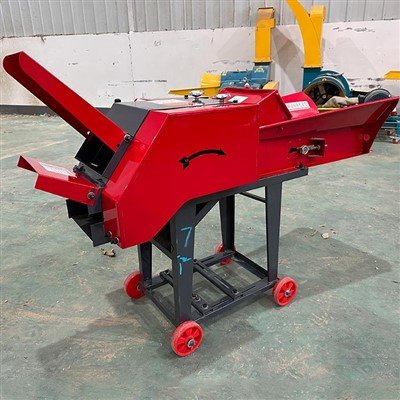
If you’re ready to explore your options or learn more about how forage pulpers can improve your feed processing, reach out to our sales team to discuss your specific needs. We offer personalized consultations to help you find the right solution, whether that’s a short-term rental or a customized pulper purchase that fits your budget and operational goals.
Biomass Pellet Mill References:
- Agri-Engineering Association. (2022). Standard Guidelines for Forage Processing Equipment.
- Journal of Dairy Science. (2021). Effects of Pulped Forage on Ruminant Digestibility and Growth Rates of Young Calves.
- Biogas Industry Association. (2023). Feedstock Preparation Standards for Anaerobic Digestion Systems.
- National Farm Equipment Dealers Association. (2022). Rental vs. Purchase Analysis for Agricultural Processing Machinery.
Zhengzhou Xinyihaotong Machinery Manufacturing Co., Ltd.
As one of the most professional forage pulper manufacturers in China, we also support custom service. We warmly welcome you to buy high quality forage pulper for sale here from our factory. For price consultation, contact us.
Address: Rooms 2301–2312, Jiayi Building, Xinxiang City, Henan Province, China
E-mail: zhaoyixuan5566@gmail.com
WebSite: https://www.xyhtmachinery.com/
