Hey everyone, welcome back to my corner of the construction world! Today, I’m diving into a question I get asked literally every single day here at the wheel excavator supply desk: “What’s the bucket capacity of a wheel excavator?” If you’ve ever browsed heavy equipment specs, you know it’s not a one-size-fits-all answer—and that’s exactly why I wanted to break this down straight for you, no fancy jargon or confusing charts. Let’s get real. Wheel Excavator
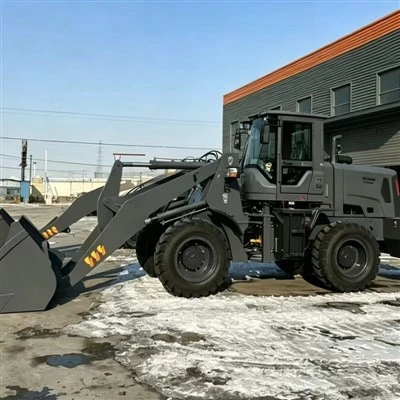
First off, let’s cut to the chase: bucket capacity for wheel excavators isn’t just a number we pull out of thin air. It’s a super important spec that depends on like, three main things: the size of the excavator itself, what you’re using it for, and even the material you’re digging. I’ve been selling wheel excavators for, let’s see, over 12 years now, and I’ve seen guys buy the wrong bucket size so many times that they end up wasting fuel, getting stuck on job sites, or just not getting the work done fast enough. So trust me when I say this matters.
Let’s start with the basics: what “bucket capacity” actually means. It’s the volume of material a bucket can hold, usually measured in cubic meters (m³) or sometimes cubic yards (yd³). But here’s the thing—there’s a difference between “heaped capacity” and “struck capacity.” Struck is when you level the material right at the bucket’s edge, like if you’re pouring it into a truck bed neat. Heaped is when you let it pile up over the edge, which is what most guys do on job sites because it’s way more efficient. When we list bucket specs for our wheel excavators, we almost always go with heaped capacity because that’s what you’ll actually use day to day.
Now, let’s tie this to wheel excavator sizes. Small wheel excavators—you know, the ones that are like 6 to 10 tons—their buckets usually clock in between 0.2 m³ and 0.5 m³. These are the mini guys, right? Perfect for urban jobs: digging small foundation holes, fixing water lines, landscaping work. I once sold a 8-ton wheel excavator to a landscaping company, and they used a 0.35 m³ bucket to dig around sidewalks and move mulch—worked like a charm. No need for a huge bucket there; a smaller one is more nimble for tight city spots.
Mid-sized wheel excavators, the workhorses we sell most, are 12 to 20 tons. Their bucket capacity jumps up to 0.5 m³ to 1.2 m³. These are the ones you see on road projects, digging trenches for gas lines, moving bulk soil. A 15-ton model with a 0.8 m³ bucket? That’s the go-to for general construction. It’s big enough to move a lot of material fast, but still light enough to move on roads between job sites (unlike track excavators, which you have to trailer everywhere). I had a contractor last year who used a mid-sized wheel excavator on a highway expansion—they switched between a 0.7 m³ bucket for digging and a 1.0 m³ one for loading trucks, and he told me it cut his project time by two weeks. That’s the difference getting the right bucket size makes.
Then there are the big boys—22 to 35 ton wheel excavators. These are built for heavy-duty stuff: quarry work, large-scale earthmoving, mining small sites. Their buckets go from 1.2 m³ up to around 2.0 m³. We sold a 30-ton wheel excavator to a company working on a residential subdivision, and they used a 1.8 m³ bucket to dig foundation holes for 50 houses. That bucket can hold like, 2.4 tons of dirt (depending on the material) per scoop—way more than a mid-sized one. But here’s a pro tip: even for these big machines, you don’t want to go too big. A bucket that’s too heavy can strain the excavator’s arm and lead to more wear and tear, which means more maintenance costs down the line.
Wait, but hold on—size isn’t everything. What you’re digging matters way more than a lot of people think. If you’re digging soft, loose soil like sand or topsoil, you can use a bigger bucket because the material doesn’t compact much. But if you’re digging dense stuff like clay, rock, or gravel, you need a smaller bucket. Why? Because dense material is heavier. A 1 m³ bucket full of clay is like 1.8 tons, but that same bucket full of loose sand is only around 1.2 tons. Put a heavy bucket on your excavator, and you’re burning more fuel, and the hydraulics have to work way harder. I once had a guy try to use a 1.0 m³ bucket to dig hard clay, and his excavator kept stalling mid-scoop. Switched to a 0.7 m³ bucket, and it ran smooth. Game changer.
Also, there are different types of buckets for different jobs, which ties into capacity too. You’ve got standard digging buckets for general work, then there’s rock buckets with thicker sides for hard material, grading buckets for smoothing out surfaces, even grapple buckets for moving debris. If you’re using a rock bucket, its capacity is often a little less than a standard bucket because the extra steel takes up space inside. So that’s something to keep in mind when you’re looking at specs—don’t just grab the biggest number, make sure it’s the right bucket for your material.
Now, let’s talk about why this matters for your business. As a supplier, I can’t tell you how many times customers come in and say “I want the biggest bucket you have” without explaining their project. That’s a mistake. If you’re a small landscaping company doing backyard jobs, a 0.25 m³ bucket on a 6-ton machine is all you need. You don’t want to lug around a 1.2 m³ bucket that’s overkill—it’s heavier, harder to maneuver, and you’re paying more for a bucket you’ll never use. On the flip side, if you’re a general contractor on a road project, skimping on bucket capacity means you’re making way more scoops, which adds up to lost time and extra fuel costs. Let me do the math for you: if a scoop takes 10 seconds instead of 7, that’s 3 extra seconds per scoop. If you do 1,000 scoops a day, that’s 50 minutes a day wasted. Multiply that by 5 days a week, and you’re looking at over 4 hours a week of lost time. That’s money you can’t afford to throw away.
Another thing people sleep on: wheel excavators’ mobility is one of their biggest advantages over track ones, and bucket capacity affects that too. A lighter bucket means the machine is easier to move on public roads—no need for a heavy trailer, no extra permits sometimes. A 20-ton wheel excavator with a 0.8 m³ bucket is road-ready, which means you can go from a city job to a highway job in an hour, not a full day of trailer time. That’s a huge time saver for contractors who jump between projects. I’ve heard so many guys switching from tracks to wheels just because of that mobility, and getting the right bucket size is part of that switch.
Wait, let’s address a common myth too. Some people think bigger wheel excavators always have bigger buckets, but that’s not always true. A 25-ton model from one brand might have a 1.5 m³ bucket, while another brand’s 25-ton has a 1.2 m³ one. That’s why it’s not just about the machine size—you have to check the bucket spec for the exact model you’re looking at. That’s where our team here comes in: we can break down each model’s bucket capacity, match it to your job, and even tell you which bucket type works best. No generic answers, just what you need.
Let me give a real example from last year. We had a customer who was a utility company, working on installing fiber optic lines in a mix of suburban streets. They initially looked at a 12-ton wheel excavator with a 0.6 m³ bucket, but when we asked what material they were digging (mostly packed clay), we suggested a 15-ton model with a 0.5 m³ bucket. Why? Because the 15-ton had stronger hydraulics, so even though the bucket was smaller, it could handle the dense clay without straining, and the machine was still nimble enough for narrow streets. He took our advice, and a month later he texted me saying he saved $1,200 on fuel that month alone, and finished the job 3 days early. That’s the value of getting this right.
Now, if you’re in the market for a wheel excavator, here’s my quick checklist for bucket capacity:
- Know your machine’s weight class: mini (6-10t), mid (12-20t), heavy (22-35t)
- What material will you dig? Loose soil = bigger bucket, dense clay/rock = smaller
- What’s your project type? Urban tight spaces = smaller, large earthmoving = bigger
- Remember heaped vs struck: heaped is real use, so go with that spec
And don’t forget—buckets are interchangeable, right? Most wheel excavators we sell have quick couplers, so you can switch buckets depending on the job. You don’t have to buy one bucket and stick with it forever. That’s another point I make to customers: if you’re not sure what you’ll be using it for, get a mid-sized bucket and add a grading or grapple bucket later, it’s way cheaper than buying a bunch of big buckets you don’t need.
Wait, let’s circle back to the original question: “What’s the bucket capacity of a wheel excavator?” It’s not a single number. It’s a spec that’s tailored to your needs, your machine, and your job. As someone who’s been around these machines for years, I can tell you that the best bucket capacity is the one that balances speed, fuel efficiency, and machine health. Too big, and you’re wasting money on fuel and repairs. Too small, and you’re losing time on every scoop.
If you’re still confused, or you’re looking to buy a wheel excavator and get the right bucket size for your projects, don’t overthink it. Our team is here to walk you through it—we’ll ask you a few questions about what you’re digging, how big your job is, and even what size sites you’re working on, and we’ll match you with the perfect wheel excavator and bucket combo. No pressure, no confusing sales talk, just straight answers.
I see a lot of blog posts out there that make this way more complicated than it is, but at the end of the day, it’s about making your job easier. A wheel excavator with the right bucket doesn’t just dig faster—it saves you money, lets you take on more jobs, and keeps your machine running longer. That’s what it’s all about.
So if you’re ready to stop guessing and get the right setup for your business, just reach out to us. We’ll go over every detail, answer all your questions, and make sure you leave with something that works for you. No fluff, just results.
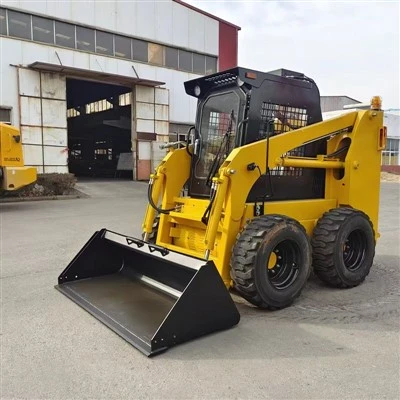
Wheel Loader At the end of the day, heavy equipment is only as good as the work it does for you, and the bucket is one of the most important parts of that. Don’t cut corners here—get the right capacity, and you’ll wonder why you ever did it any other way.
References
- Construction Equipment Association. (2022). Wheel Excavator Specification Guidelines. Retrieved from industry technical documents on construction equipment standards.
- Komatsu Ltd. (2021). Bucket Capacity & Machine Performance for Compact Construction Equipment. Internal technical briefing for equipment distributors.
- Volvo Construction Equipment. (2020). Wheel Excavator Mobility and Bucket Size Optimization for Urban and Rural Projects. White paper on equipment productivity metrics.
Shandong Feisite Machinery Co., Ltd.
As one of the most professional wheel excavator manufacturers and suppliers in China, we’re featured by quality products and good service. Please rest assured to buy cheap wheel excavator made in China here and get quotation from our factory. Customized orders are welcome.
Address: 100 meters south of Zengfusi Village, Mihe Town, Qingzhou City, Shandong Province
E-mail: Wpeng19911103@qq.com
WebSite: https://www.shandongfeisite.com/
