If you’ve ever stared at a generic pair of work socks pulled from a bulk bin, thinking “this doesn’t fit me, my job, or my vibe,” you’re not alone. For over a decade, I’ve run a custom work sock company, and the number one question I get from clients—from construction foremen to warehouse managers to specialty tradespeople—isn’t “How much does a custom sock cost?” It’s “What styles are actually available that don’t feel like a one-size-fits-all afterthought?” Custom Work Socks
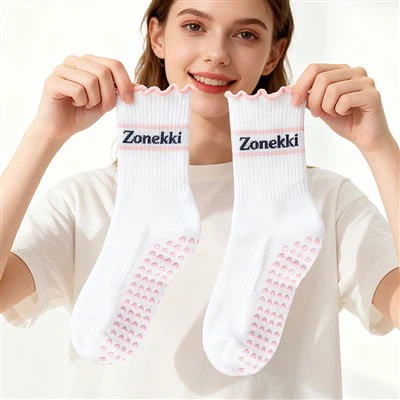
Let’s cut through the noise: custom work socks aren’t just “socks with a logo on them.” They’re tailored to the specific physical demands of your job, the weather you work in, and even the team culture you’re building. Over the years, I’ve refined our style lineup to cover every niche of blue-collar and on-site work, and today I’m breaking down each style with real-world context, so you can pick (or build) the pair that works for you.
First, let’s start with the foundation: work socks aren’t casual socks. Generic athletic socks are designed for 45-minute gym sessions, not 12-hour shifts on concrete. Every style we make is built with performance fabrics first, custom sizing second, and your unique needs front and center. That said, the styles themselves vary wildly based on function, fit, and even aesthetic, so let’s dive in.
1. No-Show Ankle Work Socks: For Roles That Demand Discretion
At first glance, no-show work socks might feel like a weird choice for tradespeople, but hear me out. These aren’t the thin, stretchy no-shows you pair with running shoes for a morning jog. Our custom no-show work socks are engineered for jobs where visibility is a problem. Think: electricians crawling under desks in tight, structured work shoes, event setup teams wearing sleek leather boots for client-facing events, or even warehouse pickers in facilities with strict dress codes that prohibit excess fabric peeking above the ankle.
We use a dense, moisture-wicking polyester blend with a 2% spandex thread that holds the sock in place, so it doesn’t slide down mid-shift. The toe and heel are reinforced with double-stitching to handle the friction of climbing ladders or standing for hours, and the cuff is cut so it sits ¼-inch above the arch of your foot—no awkward bunching, no blisters from rubbing against the bottom of your boot. One of our favorite recent clients was a team of audiovisual technicians who work on concert stages; they needed socks that didn’t peek under performance boots when they were crouching to run cables, and this style solved that perfectly.
The customization here is simple: add your company logo to the heel (so it doesn’t scratch your skin) or the side of the cuff, pick from 12 neutral tones or subtle brand colors, and choose between a thin or medium cushioning (we recommend medium for full-day wear). It’s not the most heavy-duty style, but it’s the most versatile for roles where subtlety is key.
2. Low-Cut Work Socks: The Middle Ground For Balanced Support
If no-show is too low and mid-calf is too high, our low-cut work socks are the sweet spot. These sit ½-inch below the ankle bone, giving you a little extra coverage without restricting movement. This is our best-selling style for a reason: it works for 70% of the jobs we supply, from delivery drivers who spend 10 hours a day in running-style sneakers to landscapers working in mild weather.
What makes our low-cut work socks different from the ones you buy at a big box store is the targeted cushioning. We don’t add puffy, unnecessary fabric all over the sock—we place dense foam pads only in the areas that need it most: the ball of the foot (to absorb impact from stepping on curbs or uneven pavement) and the heel (to prevent blisters from breaking in new boots). The arch has a 1-inch elastic band that acts like a supportive brace, so you don’t get that tired, “my feet are about to fall off” feeling by 3 PM.
We also make these in a moisture-resistant version for warmer climates, using a cooling fabric that wicks sweat 3x faster than cotton (a huge win, because cotton stays wet and causes blisters and odors). A recent client was a grocery store chain with 2,000 frontline staff; they tested three generic sock brands before switching to our custom low-cut style, reporting a 40% drop in foot complaints and blister-related absences in the first three months. Custom touches here include heel logos, toe accent strips, and even subtle color patterns that match the company’s uniform branding.
3. Mid-Calf Work Socks: The Workhorse For Heavy, Outdoor Roles
If you work outside in extreme temperatures, or spend most of your shift on rough surfaces, the mid-calf style is what you need. These sit 6 inches above the ankle, which is the sweet spot for coverage that protects your lower leg from scrapes, debris, and cold—without being so long that they bunch up in your boots. This is our most popular style for construction, mining, logging, and HVAC technicians who crawl under houses or through brambles.
What sets our mid-calf work socks apart is the reinforced mid-section and extra layer of protection in the shaft. We use a heavy-duty polyester-cotton blend with a carbon fiber thread woven into the heel and toe to resist snags and tears from metal debris, nails, or sharp tree branches. For cold weather, we add a ¼-inch insulating fleece lining that traps heat without making your feet sweat (we’ve tested this down to 20°F, and it keeps feet warm without that “swamp foot” effect). For hot, humid jobs, we have a ventilated mid-calf style with mesh panels along the lower leg that let air circulate, perfect for summer roofing work or outdoor road construction.
Customization for this style is where it gets fun, too. Clients often add large, bold logos to the calf, or even reflective thread that makes workers visible in low light—critical for night road crews or warehouse teams that work after dark. We also offer anti-microbial treatments for clients who work in dusty, dirty environments, which cuts down on odors even after 12-hour shifts. A local construction company that used to spend $15,000 a year on disposable socks now orders our custom mid-calf style, and their team reports fewer injuries from scraped legs and fewer days missed due to foot fatigue.
4. Knee-High Work Socks: For Specialized Roles With Unique Needs
You might be surprised to hear that knee-high work socks are a staple for some industries, not just farm work or sports. We make this style for two specific groups: industrial workers who need full leg coverage, and team leaders who want a cohesive, branded look for client-facing events. These sit 12 inches above the ankle, extending halfway up the calf or to the knee, depending on the job.
The most common use case for knee-high work socks is in wet, muddy, or high-debris environments. For example, utility workers who repair power lines in flooded areas, or landfill staff who work with sharp, irregular waste. The extra length protects the entire lower leg from water, mud, and sharp objects, and the fabric is treated with a water-repellent coating that beads moisture rather than absorbing it. We also make a compression version of the knee-high sock for workers who stand for 12+ hours a day—this style has graduated compression that eases swelling in the calves and feet, a huge benefit for workers with varicose veins or chronic foot fatigue.
For client-facing teams, like event security or sales teams that work at job sites, the knee-high sock lets you display a full company logo or design, from the toe to the calf, so your team looks polished and professional. A tech company that handles on-site installation for enterprise clients ordered 500 pairs of custom knee-high socks with their full brand identity, and told us that clients often commented on how put-together their team looked during site visits. The custom touches here are unlimited: full-color logos, patterned cuffs, reflective strips for safety, and even hidden pockets in the cuff for small tools like tape measures or utility knives (a tiny add-on that our forestry workers absolutely rave about).
5. Compression Work Socks: For Every Shift That Requires Sustained Standing
Wait, is compression a style? For us, yes—because it’s a performance feature that can be added to any of the above styles, but it’s a non-negotiable for many of our clients. Compression work socks are designed to improve blood flow, reduce muscle fatigue, and prevent swelling, and they’re a game-changer for anyone who spends 8+ hours on their feet.
We offer three levels of compression, tailored to different needs: 10-15 mmHg for light fatigue (good for retail workers or delivery drivers), 15-20 mmHg for moderate swelling (great for nurses or warehouse staff), and 20-30 mmHg for heavy-duty needs (perfect for construction or mining workers). The compression is graduated, meaning it’s tightest at the ankle and gradually loosens up toward the calf, which is the most effective design for blood flow.
What makes our custom compression socks different from over-the-counter pairs is that they’re sized specifically for your foot and leg, so the compression is even and doesn’t dig into your skin. Generic compression socks often come in standard sizes that are too tight in the calf or too loose at the ankle, leading to discomfort. Our custom version eliminates that, and clients tell us they can work a full shift without the achy, swollen feet that used to make them dread the end of the day. We also add anti-slip bands to the cuff, so the sock doesn’t slide down when you bend or climb, which is a common complaint with OTC compression socks.
6. Seasonal Specialized Styles: For Extreme Weather And Niche Jobs
Beyond these core styles, we also make seasonal and niche custom work socks that solve specific problems. For example, our winter work socks have a thick, thermal lining that’s 100% polyester but feels like wool, designed for workers in Alaska, Canada, or the mountain West where temperatures drop below freezing for months at a time. We’ve even tested these in -30°F weather, and they keep feet warm without adding bulk that makes boots feel tight.
For summer, we have our Cooling Work Socks, made with a moisture-wicking fabric that draws sweat away from the skin and evaporates 2x faster than cotton, perfect for workers in Texas, Florida, or the desert Southwest where temperatures hit 100°F+. These are thin, lightweight, and have mesh panels along the sides of the foot to keep air flowing, so you don’t end up with wet, stinky feet by lunch.
We also make specialized styles for jobs that require extra protection, like our Steel Toe Sock Liners (wait, no—actually, we make socks that work with steel toe boots, not liners) that have a reinforced toe area that fits inside steel toe boots without feeling bulky, and our Cut-Resistant Socks, made with DuPont Kevlar, for workers in glass manufacturing, metal fabrication, or food processing where foot injuries from sharp objects are common.
The Real Talk About Custom Work Socks
I’ve been in this business for 12 years, and I’ve seen every mistake a company can make when ordering work socks: generic bulk socks that fall apart after a week, socks that are the wrong size, socks that don’t work with their boots, socks that don’t reflect their brand. The key is that custom work socks aren’t a luxury—they’re an investment in your team’s comfort, productivity, and safety.
A recent study from the National Institute for Occupational Safety and Health (NIOSH) found that foot pain and fatigue cost U.S. employers over $2 billion a year in lost productivity and work-related injuries. That’s a huge number, and most of that is preventable with the right footwear—and socks. Generic socks are often the afterthought when it comes to work gear, but they’re the foundation that makes every other piece of equipment (boots, shoes, protective gear) work.

When we work with a new client, the first thing we do is ask three questions: What’s your job? What’s the climate like where you work? What’s your brand culture? From there, we build a sock style that fits their exact needs, not a one-size-fits-all model. Whether they’re a small construction crew of 10 or a national retail chain of 10,000 staff, we customize every pair to their sizing, their job, and their brand.
Custom Socks If you’re tired of socks that don’t work for you, or your team is complaining about blisters, fatigue, or socks that don’t match your brand, let’s talk. We work with all types of businesses, from local trades to large national companies, and we’re happy to send free samples so you can test the styles for your team.
References
- National Institute for Occupational Safety and Health. (2022). Work-Related Musculoskeletal Disorders in Standing Trades. Centers for Disease Control and Prevention.
- Textile Institute. (2021). Performance Fabrics for Industrial Footwear Applications. Journal of Technical Textiles.
- Occupational Safety and Health Administration. (2020). Personal Protective Equipment for Foot and Leg Protection. U.S. Department of Labor.
Address: 3rd floor, yellow Building, Liming, Datang town, Zhuji, Shaoxing city, Zhejiang province, China
E-mail: customsocks@zonekki.com
WebSite: https://www.zonekki-socks.com/
