As a supplier of wood crushers, I often find myself in discussions about the practical applications and viability of these machines, especially in the context of forestry environments. The question of whether a wood crusher can be effectively used in a forestry setting is both complex and crucial, touching on various aspects such as operational functionality, environmental impact, and economic efficiency. Wood Crusher
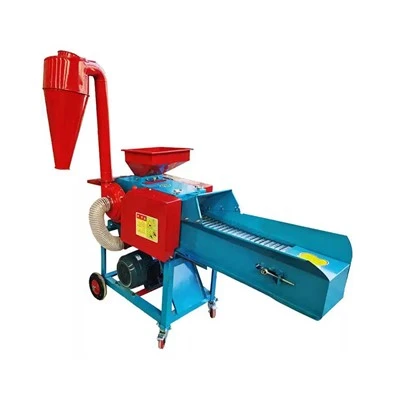
Operational Functionality in Forestry
Adaptability to Different Wood Types
One of the primary advantages of modern wood crushers is their ability to handle a wide range of wood types commonly found in forestry. Whether it’s softwoods like pine or fir, which are relatively easy to crush due to their lower density, or hardwoods such as oak or maple, which require more powerful crushing mechanisms, high – quality wood crushers can be engineered to manage them all. For instance, some of our commercial – grade wood crushers are equipped with adjustable blades and powerful motors that can adapt to the hardness and moisture content of different woods. This adaptability is essential in a forestry environment where the variety of tree species can be extensive.
Portability and Mobility
Forestry operations often cover large areas of land, which means that the wood crusher needs to be mobile. Many of the wood crushers we supply are designed with portability in mind. They can be installed on trailers or skid – steer attachments, allowing them to be easily moved from one location in the forest to another. This mobility not only saves time but also reduces the need to transport large amounts of wood over long distances, which can be both costly and time – consuming.
Capacity and Throughput
In a forestry environment, there can be a significant volume of wood waste generated, whether it’s from tree pruning, thinning operations, or logging residues. Our wood crushers come in a variety of sizes with different capacities and throughput rates. For smaller forestry operations or intermittent use, we offer compact wood crushers with lower throughput but which are still efficient in processing smaller volumes of wood. On the other hand, for large – scale commercial forestry, our high – capacity wood crushers can process several tons of wood per hour, ensuring that the wood waste is quickly and effectively reduced in size.
Environmental Impact
Recycling and Reuse of Wood Waste
Using a wood crusher in a forestry environment can have significant environmental benefits. Instead of leaving logging residues and other wood waste to decompose on the forest floor, which can take years, or burning them, which releases greenhouse gases into the atmosphere, wood crushers can turn this waste into useful products. The crushed wood can be used as mulch for landscaping, biomass fuel for energy production, or even as raw material for the manufacturing of particleboard and other wood – based products. This recycling process not only reduces waste but also conserves natural resources by reusing materials that would otherwise be discarded.
Reducing the Risk of Forest Fires
Accumulated wood waste in forests can act as highly flammable fuel, increasing the risk of forest fires. By using a wood crusher to reduce the volume and density of this waste, the potential fire hazard is significantly reduced. When the wood is crushed, it can be spread out more evenly or removed from the forest area, making it less likely to catch fire and more difficult for a fire to spread if one were to occur.
Minimizing Soil and Water Pollution
If wood waste is left to decay in large piles, it can leach nutrients and chemicals into the soil and nearby water sources. This can lead to water pollution and the degradation of soil quality. Wood crushers can help prevent this by quickly processing the wood waste. The crushed wood can then be managed in a more controlled manner, for example, by being used in a way that enhances soil health rather than degrading it.
Economic Efficiency
Cost – savings in Wood Disposal
Traditional methods of wood disposal in forestry, such as hauling large volumes of wood to a landfill or a specialized waste processing facility, can be extremely expensive. Using a wood crusher on – site can significantly reduce these costs. Once the wood is crushed, it takes up less space, which means fewer trips are needed for transportation. Additionally, the crushed wood may have market value, such as being sold as mulch or biomass fuel, which can generate additional revenue for forestry operators.
Increased Productivity
A wood crusher can also increase the overall productivity of forestry operations. Instead of spending time and resources on manual removal and disposal of wood waste, workers can use the wood crusher to quickly process the waste while continuing with other important tasks such as tree harvesting or planting. This efficient use of time and resources can lead to higher yields and lower operational costs in the long run.
Challenges and Considerations
Maintenance and Durability
In a forestry environment, wood crushers are exposed to harsh conditions, including dirt, dust, and the wear and tear from crushing hard woods. Regular maintenance is essential to ensure the longevity and proper functioning of the machine. At our company, we provide comprehensive maintenance guides and support services to our customers. We also design our wood crushers with durable materials and components that can withstand the rigors of forestry use.
Noise and Vibration
Wood crushers can produce a significant amount of noise and vibration during operation. This can be a concern not only for the operators but also for the local wildlife and nearby communities. To address this issue, we incorporate noise – reducing technologies and vibration – damping features into our wood crushers. However, it’s still important for forestry operators to follow proper operating procedures and use personal protective equipment to minimize exposure to these factors.
Regulatory Compliance
Before using a wood crusher in a forestry environment, it’s important to comply with all relevant local, state, and federal regulations. These may include environmental regulations regarding air and water pollution, as well as safety regulations for operating machinery. Our company provides information and guidance to our customers on regulatory compliance, and we ensure that all our wood crushers meet or exceed the necessary safety and environmental standards.
Conclusion
In conclusion, a wood crusher can indeed be effectively used in a forestry environment. With the right machine, proper maintenance, and compliance with regulations, it offers numerous benefits in terms of operational functionality, environmental impact, and economic efficiency. Our company is committed to providing high – quality wood crushers that are well – suited for the unique challenges of forestry operations.
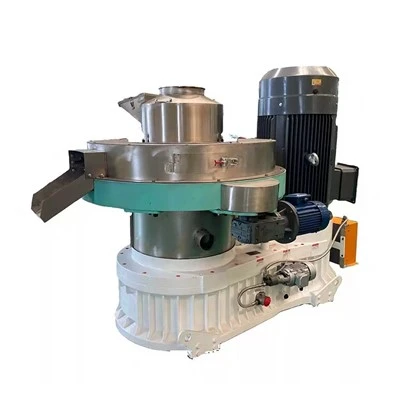
If you are in the forestry industry and are considering incorporating a wood crusher into your operations, we encourage you to contact us. Our team of experts is ready to assist you in selecting the right wood crusher for your specific needs, providing detailed product information, and offering support throughout the purchasing process. We believe that with our wood crushers, you can enhance the efficiency and sustainability of your forestry operations.
Grass Chopper References:
- "Forestry Operations Handbook" by leading forestry professionals
- Articles on wood recycling and waste management in forestry from industry – recognized journals
- Technical specifications and research on wood crushers from relevant engineering and manufacturing publications
Zhengzhou Xinyihaotong Machinery Manufacturing Co., Ltd.
As one of the most professional wood crusher manufacturers in China, we also support custom service. We warmly welcome you to buy high quality wood crusher for sale here from our factory. For price consultation, contact us.
Address: Rooms 2301–2312, Jiayi Building, Xinxiang City, Henan Province, China
E-mail: zhaoyixuan5566@gmail.com
WebSite: https://www.xyhtmachinery.com/
