Hey there, aviation enthusiasts and communication tech buffs! I’m a supplier of POC (Push-to-Talk over Cellular) Radio, and today I wanna dig into the burning question: Can POC Radio be used for aviation communication? POC Radio
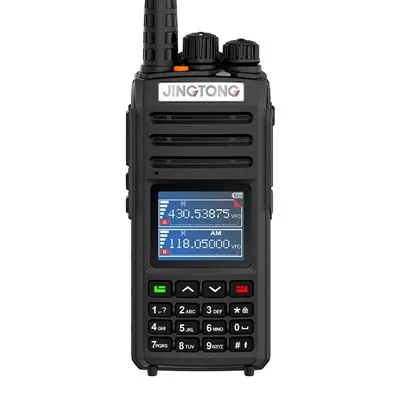
Let’s start with the basics. POC Radio is a relatively new kid on the block in the communication tech world. Instead of relying on traditional radio frequencies, it uses cellular networks to send and receive voice and sometimes data. It’s super popular in industries like construction, logistics, and security because it’s easy to use—you just push a button, and boom, you’re talking to someone else on the network. It also offers seamless connectivity over large areas, as long as there’s cellular coverage.
Now, aviation communication is a whole different ballgame. It’s a highly regulated and safety – critical field. The communication systems used in aviation have to be extremely reliable, secure, and capable of handling complex operations. For decades, aviation has been using VHF (Very High Frequency) and HF (High Frequency) radio systems. These frequencies are specifically allocated for aviation use, and the technology is tried and true. Pilots use them to talk to air traffic controllers, other pilots, and airport ground staff.
So, the big question is, can POC Radio even come close to meeting the requirements of aviation communication?
Pros of Using POC Radio in Aviation
Cost – Efficiency
One of the biggest advantages of POC Radio is its cost – efficiency. Traditional aviation radio systems can be really expensive to install, maintain, and operate. You need to buy the hardware, pay for frequency licenses, and deal with ongoing maintenance. POC Radio, on the other hand, uses existing cellular networks. All you need is a POC Radio device, which is usually much cheaper than traditional aviation radios, and a cellular data plan. This can be a huge plus for smaller airlines, flight schools, or private pilots who are looking to cut down on costs.
For example, a flight school with a small fleet of planes might not have the budget for a high – end aviation radio system for each aircraft. With POC Radio, they could equip their planes with relatively inexpensive devices and use their existing cellular data plans, saving a ton of money in the long run.
Wide Coverage
Cellular networks have a much wider coverage area compared to some traditional aviation radio frequencies, especially in densely populated areas. While VHF radios are great for line – of – sight communication, they have limitations when it comes to long – distance or non – line – of – sight communication. POC Radio can potentially fill in those gaps. For instance, if a pilot is flying over a large city or a remote area with good cellular coverage, they can use POC Radio to stay connected with the ground or other aircraft.
Data Transmission Capabilities
POC Radio isn’t just about voice communication. It can also transmit data, such as flight plans, weather updates, and navigation information. This can be really useful for pilots, as they can have access to real – time data right on their POC Radio devices. In contrast, traditional aviation radios are mainly focused on voice communication, and data transmission is often more limited.
Cons of Using POC Radio in Aviation
Reliability
The biggest concern with using POC Radio in aviation is reliability. Cellular networks are not as reliable as dedicated aviation radio frequencies. There can be issues like network congestion, dropped calls, and signal interference. In aviation, where communication is critical for safety, any disruption in communication can have serious consequences. For example, if a pilot is trying to communicate with an air traffic controller during a critical phase of flight, such as takeoff or landing, and the POC Radio connection drops, it could lead to a dangerous situation.
Security
Security is another major issue. Aviation communication needs to be highly secure to prevent unauthorized access and interference. Traditional aviation radio systems use encryption and other security measures to protect the communication channels. POC Radio, which relies on cellular networks, may be more vulnerable to security threats such as hacking and eavesdropping. If someone were to intercept or disrupt aviation communication using POC Radio, it could put the safety of passengers and crew at risk.
Regulatory Hurdles
The aviation industry is highly regulated, and any new communication technology must go through a rigorous certification process before it can be used. POC Radio is a relatively new technology, and there may not be clear regulations in place for its use in aviation. Airlines, pilots, and aviation authorities would need to work together to develop and implement the necessary safety standards and regulations for POC Radio in aviation. This process could take a long time and may require significant investment.
The Current State of POC Radio in Aviation
Right now, POC Radio is not widely used in mainstream aviation communication. However, there are some small – scale experiments and niche applications. For example, some private aviation clubs or flight schools may use POC Radio for non – critical communication, such as coordinating ground operations or communicating between instructors and students.
In some cases, POC Radio can be used as a supplementary communication tool. Pilots can carry a POC Radio device in addition to their traditional aviation radio. This way, they can use the POC Radio for non – critical communication or in situations where cellular coverage is better. However, it’s important to note that POC Radio should never replace the primary aviation communication system.
Future Possibilities
Despite the challenges, there is potential for POC Radio to play a bigger role in aviation communication in the future. As cellular networks continue to improve in terms of reliability and security, POC Radio could become a more viable option. Additionally, if the aviation industry can develop appropriate regulations and standards for its use, POC Radio could be integrated into aviation communication systems more widely.
For example, in the future, we might see POC Radio being used for communication between unmanned aerial vehicles (UAVs) and ground control stations. UAVs are becoming more and more popular, and POC Radio could offer a cost – effective and flexible communication solution for these operations.
Conclusion
So, can POC Radio be used for aviation communication? The answer is yes, but with some big caveats. While POC Radio offers some advantages like cost – efficiency, wide coverage, and data transmission capabilities, it also has significant drawbacks in terms of reliability, security, and regulatory compliance.
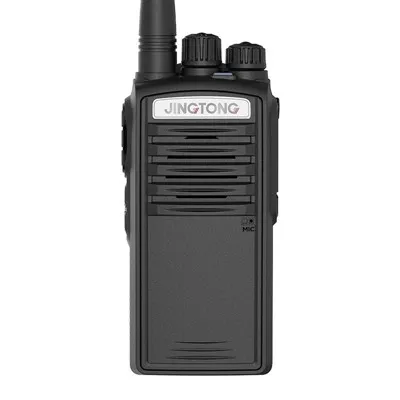
At this point, POC Radio is more of a supplementary communication tool rather than a replacement for traditional aviation radio systems. However, as technology evolves and the industry adapts, there’s a possibility that POC Radio could have a more prominent role in aviation communication in the future.
Analog Radio If you’re in the aviation industry and are interested in exploring the potential of POC Radio for your communication needs, I’d love to have a chat with you. Whether you’re an airline looking to cut costs, a flight school wanting to upgrade your communication systems, or a private pilot curious about new tech, I can provide you with more information and help you figure out if POC Radio is the right fit for you. Just reach out, and we can start a conversation about how POC Radio can work for your aviation operations.
References
- Aviation Communication Handbook, various editions
- Cellular Network Technology Research Papers
- Industry Reports on POC Radio Applications
Jingtong (Quanzhou) Electronics Co., Ltd.
We are one of the most professional poc radio manufacturers and suppliers in China, specialized in providing high quality customized service. We warmly welcome you to buy durable poc radio made in China here from our factory. For price consultation, contact us.
Address: No.288, Si Huang Industry Zone, Xia Mei Town, Nan An, Quanzhou, Fujian province, China 362302
E-mail: jtdjj@jtdjj.com
WebSite: https://www.jteradio.com/
