The history of Individual First Aid Kits (IFAKs) is a captivating journey that intertwines with the evolution of military medicine, civilian preparedness, and the ever – advancing field of first – aid technology. As a supplier of IFAKs, I’ve witnessed firsthand how these kits have transformed over the years, and I’m excited to share their rich history with you. Individual First Aid Kit (IFAK)
Origins in Military Conflict
The roots of IFAKs can be traced back to the military. In ancient warfare, soldiers would often carry rudimentary supplies to treat their wounds on the battlefield. These early kits were simple, typically containing items like bandages and basic herbal remedies. For example, the Romans carried lint and wound – healing herbs. These early efforts were driven by a necessity to reduce mortality and ensure that soldiers could continue fighting or, at the very least, stay alive long enough to receive more comprehensive medical care.
During the Civil War in the United States, the concept of a standardized medical kit started to take shape. The Union and Confederate armies provided basic supplies such as dressing for gunshot wounds, tourniquets, and alcohol for disinfection. However, these kits were far from what we know as IFAKs today. They were bulk – issued to regiments, and soldiers did not always have personal access to them when needed.
It wasn’t until World War II that the idea of individual – level first – aid became more prominent. The military recognized that immediate treatment at the point of injury could significantly improve a soldier’s chances of survival. Soldiers were issued with small, personal kits that included items like field dressings, sulfa powder (an early form of antibiotic), and morphine syrettes for pain management. These kits were a step in the right direction, as they empowered soldiers to take care of their own injuries or the injuries of their comrades in the chaos of war.
Vietnam War: A Catalyst for Change
The Vietnam War marked a turning point in the development of IFAKs. The nature of the conflict, with its guerrilla warfare and long – range patrols, meant that soldiers were often far from immediate medical support. The need for individual soldiers to be self – sufficient in providing first – aid became paramount.
Field – expedient techniques and the use of more practical and effective first – aid items became common. Coated kerlex dressings, which were more effective at controlling bleeding than previous bandages, were introduced. Additionally, the use of plastic battle dressings that could be quickly applied gained popularity. The Vietnam War also saw an increased emphasis on training soldiers in first – aid skills, so that they could make the most of the supplies in their kits.
The Gulf War and the Emergence of Modern IFAKs
The Gulf War in the early 1990s was a significant milestone in the history of IFAKs. The military began to standardize the contents of individual first – aid kits more closely. The kits were designed to address the most common life – threatening injuries on the battlefield: severe bleeding, airway obstruction, and infection.
Tourniquets, which had been used in various forms throughout history, became more refined. The military adopted more effective tourniquet designs that could be quickly and easily applied by a single soldier. Heavier, more absorbent wound dressings were also included to manage significant blood loss. The first generations of modern IFAKs often came in a compact, easy – to – carry pouch, making it convenient for soldiers to access the supplies during combat.
The Global War on Terror and Further Advancements
The Global War on Terror, which began in the early 2000s, brought about even more significant advancements in IFAK technology. The nature of the conflicts in Iraq and Afghanistan, with high – intensity combat and extensive use of improvised explosive devices (IEDs), led to a re – evaluation of IFAK contents.
The combat gauze, which contains a hemostatic agent that helps stop bleeding faster, became a staple in IFAKs. This was a game – changer in treating severe bleeding, as it could be quickly packed into a wound to control bleeding in a more effective way. Nasal airway devices were also added to address airway management issues.
Training programs for soldiers using IFAKs became more comprehensive. Soldiers were trained not only in the basic use of the supplies but also in more advanced techniques such as the proper application of tourniquets and the use of hemostatic agents. This training was crucial in ensuring that the kits were used effectively in the chaotic environment of the battlefield.
Civilian Adoption of IFAKs
As the military continued to develop and improve IFAKs, the civilian sector began to take notice. The general public, outdoor enthusiasts, hunters, and security personnel started to see the value of having a similar first – aid kit for personal use.
The transition of IFAKs from military to civilian use was not without challenges. Civilian users often have different needs and operate in different environments compared to soldiers. For example, civilian kits might need to be more lightweight and portable for day – to – day carry. They also might not require some of the more specialized items used in military combat scenarios.
However, the basic concept of a comprehensive, individual – level first – aid kit remained the same. Civilian IFAKs typically include items like bandages, antiseptic wipes, pain relievers, and sometimes hemostatic agents for treating severe bleeding. The popularity of IFAKs in the civilian market has been driven by an increased awareness of personal safety and the ability to respond quickly to emergencies.
Advancements in IFAK Technology
In recent years, IFAK technology has continued to evolve. The materials used in bandages and dressings have become more advanced. For example, some modern bandages are made from materials that are not only highly absorbent but also antibacterial, reducing the risk of infection.
The design of IFAK pouches has also improved. Many pouches now feature multiple compartments and easy – access zippers, making it easier for users to find and retrieve the necessary supplies quickly. Additionally, some IFAKs come with integrated training resources, such as QR codes that can be scanned to access video tutorials on how to use the kit’s contents.
The Future of IFAKs
Looking ahead, the future of IFAKs is likely to be shaped by further technological advancements. We may see the integration of smart technology into IFAKs. For example, a kit could be equipped with sensors that can detect the user’s vital signs or the condition of a wound. This information could be transmitted to a healthcare provider or emergency responder, allowing for more informed decision – making.
There will also be a continued focus on making IFAKs more user – friendly and accessible to a wider range of people. Training programs will likely become more widespread and accessible, both in the military and civilian sectors.
Why Choose Our IFAKs
As a leading IFAK supplier, we take pride in offering high – quality, reliable first – aid kits. Our kits are designed based on the latest research and military standards, ensuring that they are effective in treating a wide range of injuries.
We understand the different needs of our customers, whether they are military personnel, outdoor enthusiasts, or civilians looking for personal preparedness. That’s why we offer a variety of IFAK options, from compact, everyday – carry kits to more comprehensive, mission – specific kits.
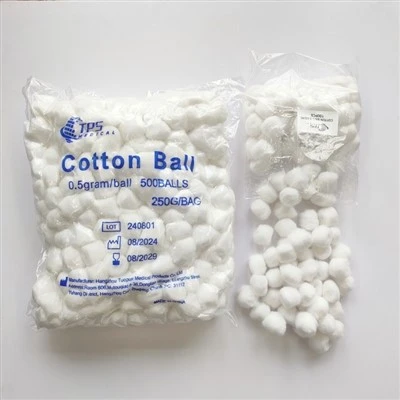
Our team of experts is committed to providing the best possible products and support. We continuously update our kits to incorporate the latest advancements in first – aid technology, so you can be confident that you are getting the most effective product on the market.
General Medical Disposables If you are interested in learning more about our IFAKs or are ready to place an order, we invite you to contact us. Our sales team is ready to answer your questions, provide detailed product information, and assist you in finding the perfect IFAK for your needs. Whether you are looking to purchase a single kit for personal use or are interested in bulk orders for an organization, we are here to help. Let’s work together to ensure that you are prepared for any emergency.
References
- Martin, D. W. (2008). Military Medical History from Ancient Times to the Present. ABC – CLIO.
- Hall, J. D., & Reed, J. R. (2011). Tactical Combat Casualty Care. Jones & Bartlett Learning.
- American Red Cross. (2022). First Aid Manual. American Red Cross.
Hangzhou Tuopusi Medical Products Co., Ltd.
As one of the most professional individual first aid kit (ifak) manufacturers and suppliers in China, we offer a wide range of products with superior quality. Please feel free to wholesale bulk customized individual first aid kit (ifak) at competitive price from our factory. Also, free sample is available.
Address:
E-mail: sales@tpsmedic.com
WebSite: https://www.medressing.com/
