When I first started working as a dry mortar production line supplier, I underestimated how central waste handling was to our clients’ bottom lines and environmental compliance. One early customer—a mid-sized construction firm in the Midwest—lost 12% of their monthly profit in 2021 because they were dumping excess raw materials and process residues as general waste. That mistake taught me: waste in dry mortar production isn’t just a disposal problem, it’s an operational one that cuts into margins, risks regulatory fines, and damages brand reputation. Today, after troubleshooting with dozens of production facilities across North America, I can outline a systematic, practical approach to waste handling that’s tailored specifically to dry mortar lines—no generic tips that ignore the unique pressures of our industry. Dry Mortar Production Lines
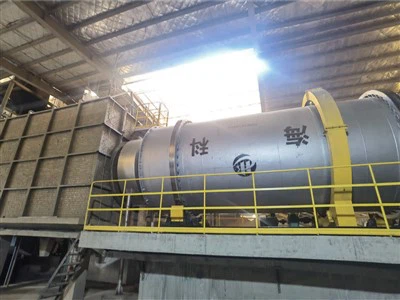
First, let’s clarify what “waste” actually means in dry mortar production. Unlike mixed construction waste, our waste comes in three distinct categories, each requiring a different response. Raw material waste is the most common: unused sand, cement, fly ash, or limestone powder left over after a batch is mixed, or raw materials that were stored incorrectly and degraded. Then there’s process waste: spillage from mixers, conveyor belts, or packing stations, plus defective finished mortar sacks that tear or have incorrect ratios. Finally, there’s regulatory waste: materials that fail quality testing, such as mortar that doesn’t cure to the required strength, or water that’s contaminated with small amounts of cement powder from cleaning equipment. Each category needs a targeted system—you can’t treat spilled sand the same way you’d treat a faulty high-strength concrete mix.
The foundation of good waste handling starts upstream, not at the back of the line. I’ve seen many plants wait until a waste pile is overflowing to address it, but proactive management of raw materials cuts 60% of unnecessary waste before it even enters the mixer. For our clients, this means adjusting raw material storage and handling protocols first. Sand, for example, should be stored in covered, sloped silos to prevent rainwater from mixing with it—wet sand doesn’t bond properly, so it either gets rejected from batches or creates excess dust waste. I recommend equipping raw material silos with level sensors: one client switched from manual level checks to automated sensors, and their raw material waste dropped 14% in six months because they no longer ordered more sand than they could use before its moisture content spiked. Cement is even trickier: it hardens on contact with moisture, so storing it in unsealed sacks or bins leads to clumps that can’t be mixed. We supply custom bin liners for our production lines that absorb excess moisture, and I always advise clients to use cement within 30 days of delivery—any older, and you’re wasting money on material that won’t perform as intended.
Next, process waste is where even well-run lines trip up. Spillage from conveyors and mixers is almost universal, but it’s avoidable with small equipment tweaks. We recently installed adjustable skirt boards on a client’s conveyor belts—these flexible strips seal the gap between the belt and the frame, cutting spillage from 5% of production volume to less than 1%. Spilled sand or cement that falls on the floor doesn’t have to be waste, either: as long as it’s free of contaminants like oil, paint, or rubber, it can be collected and reprocessed. The key here is a dedicated, low-effort collection system: small vacuum units mounted near mixers and packing stations, and mesh screens to filter out debris before the material is fed back into the raw material bin. One of our clients used to sweep spillage into a dumpster for $120 a ton; now they reprocess 90% of that material, saving nearly $15,000 a year in disposal fees alone. Defective finished mortar is another process waste point: torn sacks or misbatched mortar that doesn’t meet specifications. Instead of tossing these, we suggest installing a secondary grinding station small enough to handle small batches of off-spec mortar. The ground material can be added to lower-grade mixes, like exterior stucco or basic masonry mortar, that don’t require the same strict strength standards as interior tile adhesives.
The third category, regulatory waste, is the one that can get plants in trouble. Many local governments now restrict how much cementitious waste (like unused concrete mix) can be dumped in landfills, and some require treatment for any water contaminated with production residues. For solid off-spec mortar that can’t be reprocessed, the best option is to recycle it into construction aggregate: crushed and sorted, it can be used for road base or backfill. We partner with a local waste management firm that specializes in construction material recycling, and I tell clients to work with a partner that can haul and process this on-site, rather than dumping it in a municipal landfill—this can cut disposal costs by 75% and keep plants compliant. For liquid waste, like water used to clean mixers, the solution is simple: capture it in a holding tank, let the cement solids settle out, and recycle the clear water for cleaning or even for mixing new mortar. I’ve had clients who used to dump this water pay a $2,000 annual fine; now they recycle all mixer cleaning water, avoiding fines and reducing their water bills by 25%.
One mistake I see a lot is cutting corners on waste tracking. You can’t manage what you don’t measure, right? Every plant should track waste by type and volume each month: how much raw sand was rejected, how much spillage occurred, how much defective mortar was produced. We include a simple waste tracking template with every dry mortar production line we sell, and we advise clients to assign one employee to review the numbers weekly. For example, if sand waste jumps for two straight weeks, it might mean the silo’s moisture control isn’t working, or the conveyor skirt is worn out—small issues that get overlooked until they become big waste problems. Some of our larger clients use our line’s integrated software to track waste automatically, which flags anomalies in real time, letting them fix issues before they create more waste.
I should also address the myth that waste handling is too expensive for small plants. The equipment adjustments I mentioned—level sensors, conveyor skirt boards, small grinding stations—don’t have to cost a fortune. I’ve worked with a plant that only runs two production shifts a day, and they were able to install a basic vacuum spill collection system and a small crusher for under $5,000. That investment paid for itself in disposal cost savings in less than four months. Even for plants that can’t afford new equipment, changing a few daily routines works: training operators to check silo seals at the start of each shift, or to double-check batch ratios before running a full production run, cuts waste without major capital spending.
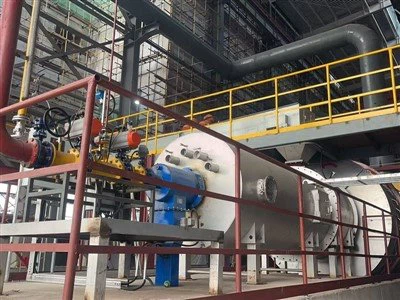
At the end of the day, good waste handling in dry mortar production is about aligning efficiency with compliance and sustainability. It’s not just about following rules—it’s about turning something that was considered waste into a resource. That’s why I don’t just sell production lines; I work with every client to build a custom waste plan that fits their specific operation. If your plant is struggling with excess waste, high disposal fees, or compliance issues, we can walk through your line, identify where you’re losing material, and suggest changes that will reduce your waste while improving your bottom line.
Dry Mortar Production Lines References
- Construction Industry Institute. (2022). Waste Reduction in Ready Mixed Concrete and Dry Mortar Production. University of Texas at Austin.
- U.S. Environmental Protection Agency. (2021). Construction and Demolition Waste Management Guidelines for Non-Hazardous Industrial Construction Materials.
- Dry Mortar Manufacturers Association. (2020). Best Practices for Raw Material and Process Waste Handling in Dry Mortar Production Facilities.
- National Ready Mixed Concrete Association. (2021). Cost-Benefit Analysis of On-Site Waste Recycling for Small-Scale Mortar Production Operations.
Jiangsu Haike Environmental Tech Co., Ltd.
As one of the most professional dry mortar production lines manufacturers and suppliers in China, we’re featured by quality products and good service. Please rest assured to wholesale customized dry mortar production lines at competitive price from our factory. Contact us for quotation.
Address: No.1, Wei’er Branch Road, Shanggang Industrial Park, Jianhu County, Yancheng City, Jiangsu Province, China
E-mail: 17388487000@163.com
WebSite: https://www.jshkhbwm.com/
