When it comes to steel pipe processing equipment, understanding the storage requirements is crucial for both suppliers and customers. As a supplier of steel pipe processing equipment, I’ve witnessed firsthand the importance of proper storage in maintaining the quality and functionality of these machines. In this blog, I’ll delve into the various aspects of storage requirements for steel pipe processing equipment, offering insights based on my years of experience in the industry. Steel Pipe Processing Equipment

Environmental Conditions
One of the primary considerations for storing steel pipe processing equipment is the environmental conditions. The equipment is typically made of metal, which is susceptible to corrosion and rust when exposed to moisture and humidity. Therefore, it’s essential to store the equipment in a dry and well – ventilated area.
A humidity level of less than 60% is ideal for preventing rust formation. If the storage area is prone to high humidity, dehumidifiers can be used to control the moisture content in the air. Additionally, the storage facility should be protected from direct exposure to rain, snow, and other forms of precipitation. This can be achieved by storing the equipment in a covered warehouse or shed.
Temperature is another important factor. Extreme temperatures can cause thermal expansion and contraction of the metal components in the equipment, which may lead to mechanical failures over time. The ideal temperature range for storing steel pipe processing equipment is between 10°C and 30°C. In regions with extreme temperature variations, climate – controlled storage facilities may be necessary.
Space Requirements
The size and layout of the storage space are also critical. Steel pipe processing equipment can be large and bulky, so it’s important to have enough space to accommodate the machines without overcrowding. Each piece of equipment should have sufficient clearance around it to allow for easy access during maintenance and inspection.
The storage area should be organized in a way that facilitates efficient handling and movement of the equipment. For example, similar types of equipment can be grouped together, and aisles should be wide enough to allow for the passage of forklifts or other material – handling equipment.
When planning the storage space, it’s also necessary to consider the future growth of the business. As the demand for steel pipe processing equipment increases, additional storage space may be required. Therefore, it’s advisable to leave some room for expansion in the storage facility.
Protection from Physical Damage
Steel pipe processing equipment is often heavy and complex, and it can be easily damaged if not stored properly. To prevent physical damage, the equipment should be stored on a flat and stable surface. Uneven surfaces can cause stress on the equipment’s structure, leading to cracks or other forms of damage.
It’s also important to protect the equipment from impact and abrasion. This can be achieved by using padding or protective covers. For example, rubber pads can be placed under the equipment to absorb shock, and plastic or fabric covers can be used to protect the equipment from dust and scratches.
In addition, the storage area should be free from any sharp objects or debris that could potentially damage the equipment. Regular cleaning of the storage space is essential to maintain a safe and damage – free environment for the equipment.
Maintenance During Storage
Even when the steel pipe processing equipment is in storage, it still requires some level of maintenance. This includes regular inspections to check for signs of damage, corrosion, or wear. Any issues identified during the inspection should be addressed immediately to prevent further deterioration.
Lubrication is also an important aspect of maintenance during storage. Moving parts of the equipment should be lubricated to prevent rust and ensure smooth operation when the equipment is put back into use. The lubricants should be selected based on the manufacturer’s recommendations.
Electrical components of the equipment should be protected from moisture and dust. If the equipment has a battery, it should be removed and stored separately, and the battery should be charged periodically to maintain its performance.
Documentation and Inventory Management
Proper documentation and inventory management are essential for storing steel pipe processing equipment. Each piece of equipment should be labeled with its model number, serial number, and other relevant information. This makes it easier to track the equipment and identify it during inspections and maintenance.
An inventory system should be established to keep track of the equipment’s location, status, and maintenance history. This can be done using a computer – based inventory management software or a simple spreadsheet. The inventory system should be updated regularly to ensure that the information is accurate.
Documentation related to the equipment, such as user manuals, maintenance records, and warranty information, should be stored in a safe and accessible place. This documentation can be invaluable when troubleshooting problems or performing maintenance on the equipment.
Security
Security is an important consideration when storing steel pipe processing equipment. The storage facility should be equipped with appropriate security measures, such as locks, alarms, and surveillance cameras. This helps to prevent theft and unauthorized access to the equipment.
In addition, access to the storage area should be restricted to authorized personnel only. Employees should be trained on the importance of security and the proper procedures for accessing the storage facility.
Packaging for Long – Term Storage
For long – term storage, proper packaging is essential. The equipment should be disassembled if possible, and each component should be carefully packed to prevent damage. Anti – rust paper or coating can be used to protect the metal components from corrosion.
The packaging materials should be strong and durable enough to withstand the rigors of storage and transportation. Labels should be attached to the packages indicating the contents, model number, and other relevant information.
Conclusion
In conclusion, the storage requirements for steel pipe processing equipment are multifaceted. From environmental conditions and space requirements to protection from physical damage, maintenance, documentation, security, and packaging, every aspect plays a crucial role in ensuring the long – term quality and functionality of the equipment.
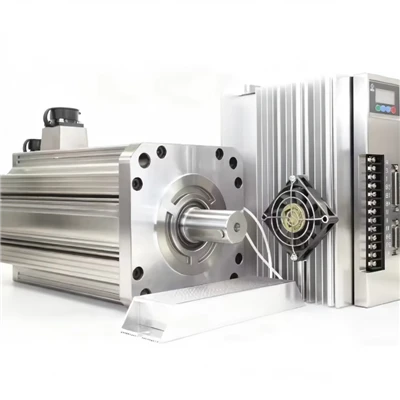
As a supplier of steel pipe processing equipment, I understand the importance of providing our customers with comprehensive guidance on storage requirements. By following these guidelines, our customers can extend the lifespan of their equipment, reduce maintenance costs, and ensure that the equipment is ready for use when needed.
Steel Pipe Production Line If you’re in the market for steel pipe processing equipment or need more information on storage requirements, I encourage you to reach out to us. We’re here to assist you with all your steel pipe processing equipment needs and provide you with the best solutions for your business.
References
- Industry standards for steel pipe processing equipment storage
- Manufacturer’s manuals for steel pipe processing equipment
- Research on metal corrosion prevention in industrial equipment storage
Tianjin Binhai Yashanway Import and Export Co., Ltd.
Tianjin Binhai Yashanway Import and Export Co., Ltd. is one of the most reliable steel pipe processing equipment manufacturers and suppliers in China, also supports customized service with low price. Welcome to wholesale bulk steel pipe processing equipment made in China here from our factory. Contact us for quotation.
Address: B-508, Xiangnian Plaza, Dongjiang Road, Hexi District, Tianjin, China
E-mail: crystal@yashanway.com
WebSite: https://www.yashanway.com/
